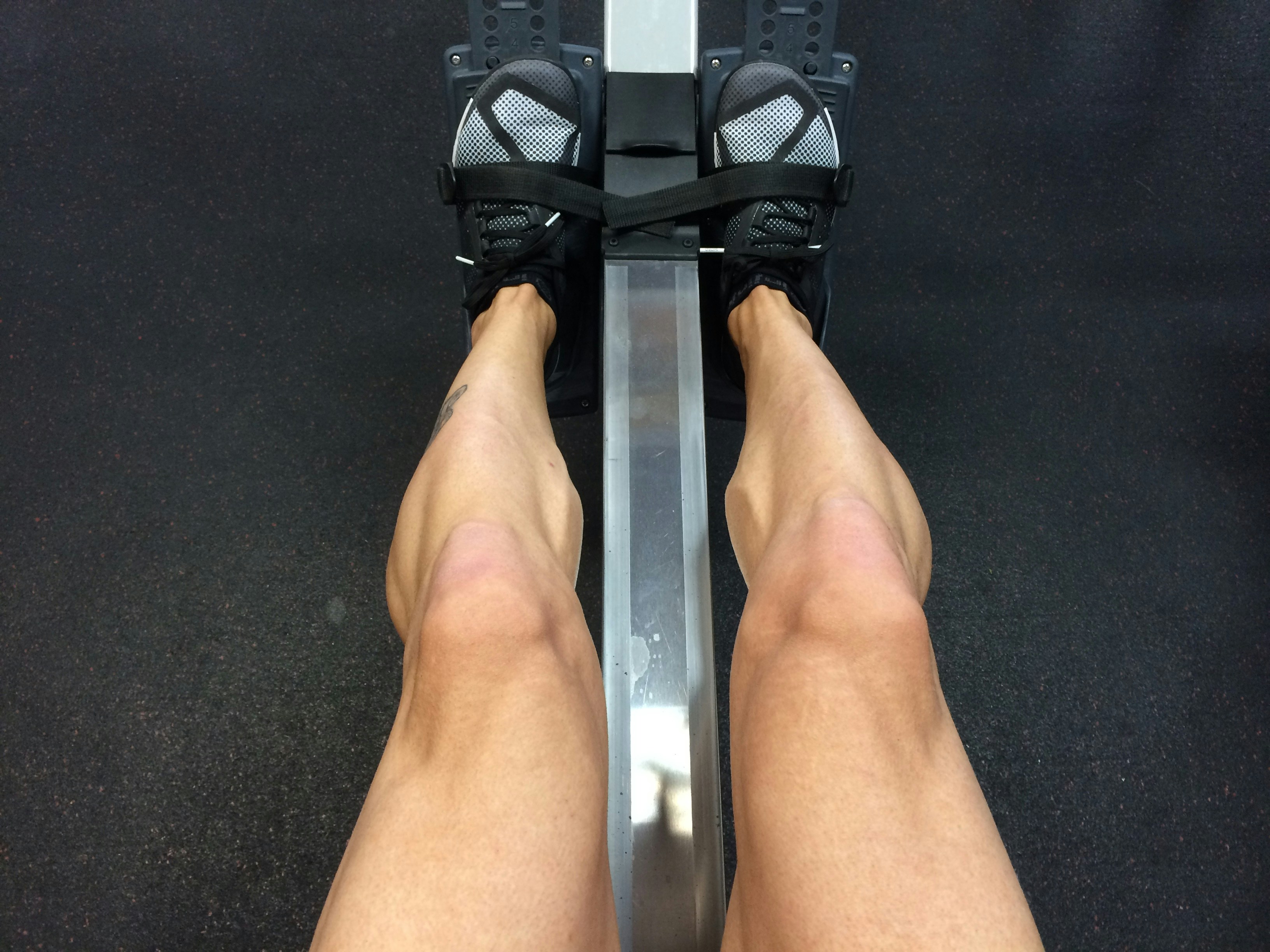
Rowing machines have a reputation problem in small spaces: they're long, they're heavy, and most of them look like they were designed for a garage with 12-foot ceilings. The resistance mechanism and fold design matter more than the marketing photos suggest — and "folds" doesn't always mean "shrinks," which is worth knowing before you buy based on a product photo alone. Here are two magnetic rowers that actually hold up for apartment life, at two different price points and with genuinely different strengths.
Quick answer
If you want to train each side of your body independently — useful for correcting a left/right strength imbalance, or just adding variety to your stroke — the Merach RS3's dual independent handles are the real differentiator here, and its 45.7" rail is actually the longer of the two.
If you want the simpler, traditional single-handle rowing feel with the stronger day-to-day reliability track record, the Sunny Health & Fitness SF-RW5801 is the safer pick.
One honest note before you decide based on footprint alone: neither of these folds down dramatically smaller. Both mainly collapse in height — the floor footprint barely changes. If storage space is your single biggest constraint, confirm the folded dimensions below against your own space before buying.
Comparison table
| Product | Price | Folded Size | Weight Capacity | Rail Length | Best For |
|---|---|---|---|---|---|
| Merach RS3 Scull Rowing Machine for Home | $299.99–$359.99 | 60.6" × 29.5" × 12.4" (folds flat — footprint barely shrinks) | 350 lb | 45.7" | Dual-handle training and taller rowers (rated to 6'7") |
| Sunny Health & Fitness SF-RW5801 | $239–$329 | Larger, vertical fold | 285 lb | 43" slide rail | Simpler single-handle stroke and reliability |
Details above are editorial summaries and approximate street prices at the time of writing — confirm specifics on each current listing.
Why folding footprint actually matters
An unfolded rowing machine is roughly 7-8 feet long. That's fine for a garage. It is not fine for a studio apartment where the rower has to share floor space with, well, everything else you own.
Both of these machines solve that with a hinge near the flywheel that lets the rail fold up vertically, plus transport wheels so you're not dragging 50+ pounds of steel across your floor every time you want to use it. The real test isn't whether it folds — almost all modern rowers do — it's how small the folded shape actually is, and whether you can lift it one-handed to tuck it away.
Merach RS3 vs. Sunny Health & Fitness: the tradeoffs
The Merach RS3's defining feature isn't footprint — it's the dual independent handles, which simulate a sculling motion instead of the single bar-and-cable pull most rowing machines use. Because each side moves independently, your shoulders and back have to stabilize and generate power separately, which Merach markets specifically as a way to work out left/right strength imbalances. It also has a 45.7-inch rail (per the manufacturer) and is rated for users up to 6'7", comfortably accommodating taller rowers, with 16 levels of electromagnetic resistance.
Worth knowing before you buy: the RS3's folded footprint is essentially the same length and width as unfolded — only the height collapses, from about 28" down to about 12". It doesn't disappear into a closet corner the way some folding rowers do.
The Sunny SF-RW5801 is the more traditional pick: a single-handle pull, a 43-inch rail, and a stronger overall track record for day-to-day reliability at its price point. It's the safer, simpler choice if dual-handle training isn't something you're specifically after.
Neither machine requires a subscription to function, which matters if you're trying to avoid stacking a monthly fee on top of the equipment cost.
How to choose
Pick the Merach RS3 if: you want to train each side of your body independently (useful if you've noticed one arm or side doing more of the work), you're tall enough to want a genuinely long rail (rated to 6'7"), and a traditional single-handle feel isn't a priority.
Pick the Sunny SF-RW5801 if: you want the simpler, more traditional single-handle stroke and the strongest track record for everyday reliability, and don't need the dual-handle variety.
Neither of these folds down into a dramatically smaller footprint — both mainly collapse in height, not length or width. If floor footprint when stored is your single biggest constraint, measure your actual storage spot against the folded dimensions in the comparison table below before buying, rather than assuming "foldable" means "tiny."
Either way, put a mat underneath it. Magnetic and electromagnetic resistance are both quiet, but frame vibration from a hard pull can still travel through a floor faster than you'd expect — especially in older buildings.