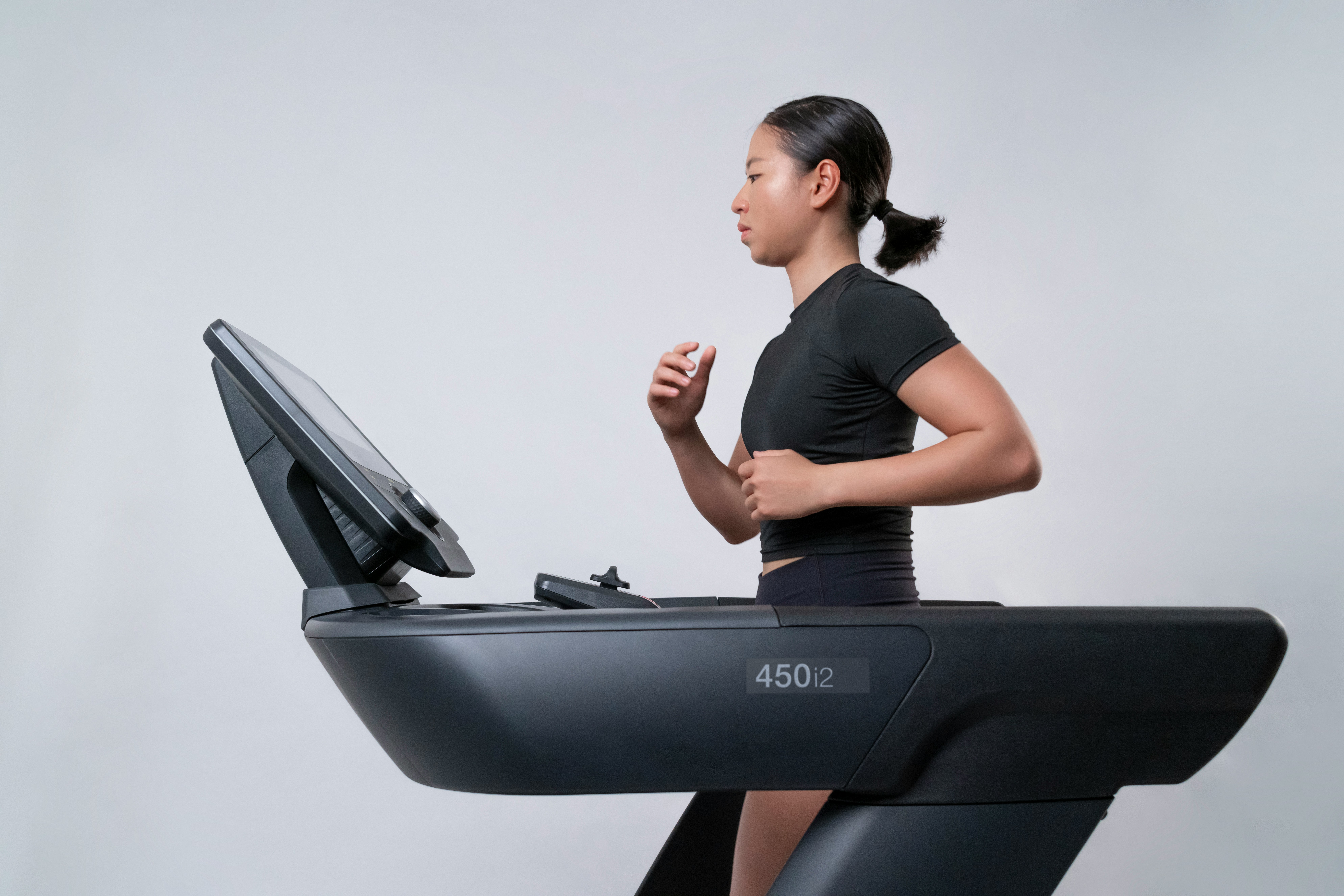
Both a compact rowing machine and a compact exercise bike get pitched as the answer to "real cardio without leaving the apartment," and both can genuinely deliver on that. But they trade off against different constraints — one cares most about floor length, the other about noise and how much attention the workout demands — and which one actually fits depends more on your specific apartment and habits than on which machine is objectively "better." This is about those trade-offs directly, using the two machines already covered on this site as the reference points, not a fresh product pitch for either.
Footprint: length beats width here
A rowing machine's real constraint isn't floor area, it's floor length. Even a genuinely compact model needs roughly your height plus arm's reach in a straight line while you're using it, and "foldable" usually means it stands upright in a slimmer vertical footprint afterward, not that it disappears — you're still finding wall space for something a few feet tall, not a drawer.
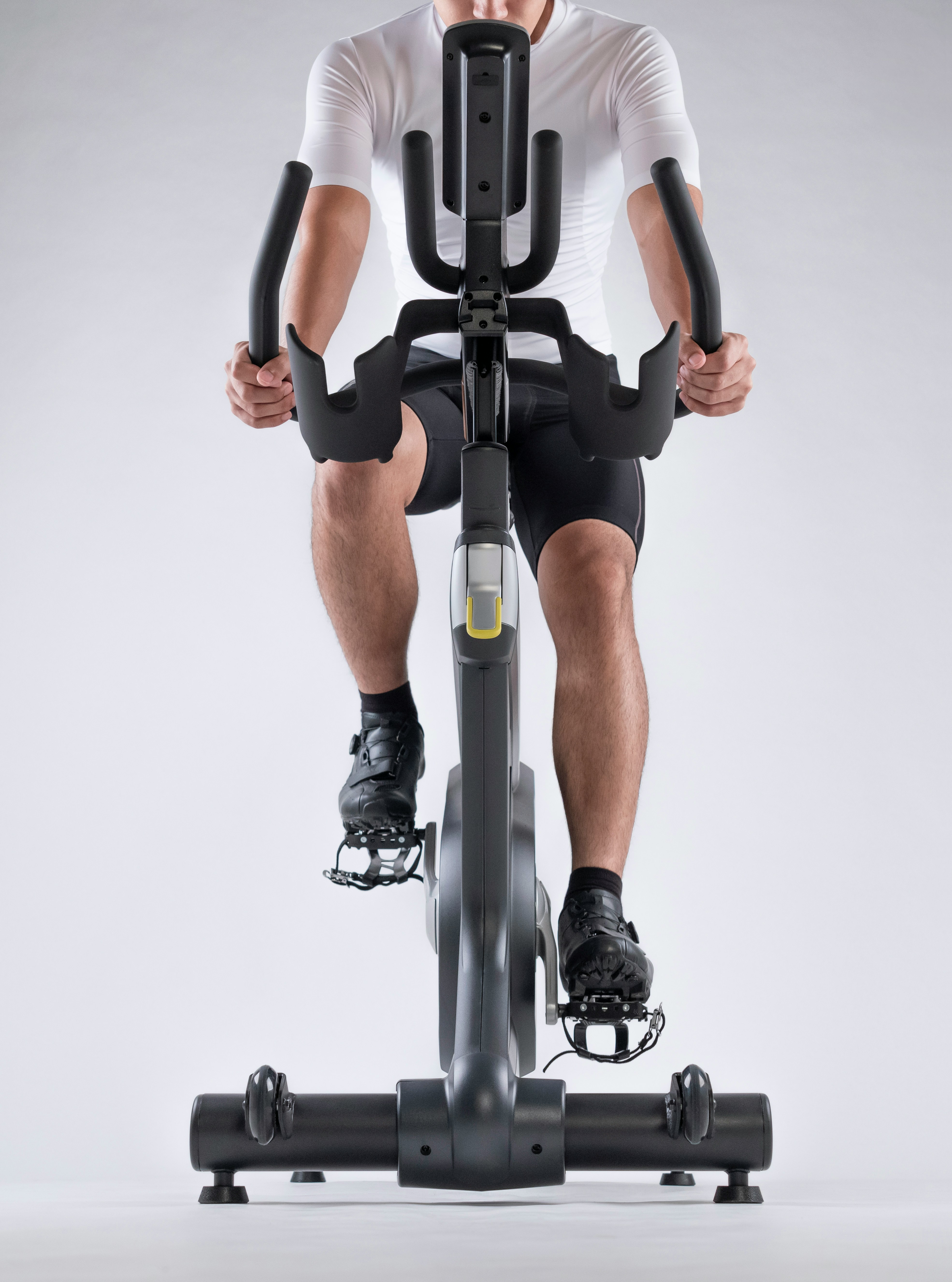
A compact exercise bike solves a completely different footprint problem. Most stay in one spot, upright or slightly reclined, in roughly the same square footage whether you're using it or not — no fold-up step, no clear-floor-length requirement. If the apartment genuinely doesn't have an open stretch to row in, that alone can decide this before anything else does.
Noise: the bike usually wins, but not automatically
Modern compact exercise bikes are about as quiet as home cardio equipment gets — magnetic resistance is now standard even on budget models, and a smooth pedaling motion doesn't generate much impact or vibration to transmit through a floor. For a downstairs-neighbor situation specifically, this is usually the safer default.
Rowing machines vary more. Magnetic-resistance rowers are close to bike-quiet. Air or water-resistance rowers add a genuine whooshing or splashing sound from the flywheel or water tank — not loud enough to be a real complaint risk in most cases, but a real difference from a silent bike, and worth checking which resistance type a specific model uses before assuming "rowing machine" means one thing.
Workout style: full-body effort vs. passive, multitaskable cardio
Rowing is a full-body, compound movement — legs, back, arms, and core all working through each stroke, with most people finding it genuinely harder to zone out through than cycling. That's a real advantage if the goal is a shorter, higher-intensity session, and a real downside if the goal is something you can do while watching something or taking a call.
Cycling is lower-body dominant and much easier to do passively. That's not a knock — plenty of people are more consistent with a form of cardio they can multitask through than one that demands full attention, and consistency beats theoretical intensity most weeks.
Setup friction: a small thing that decides a lot of home workouts
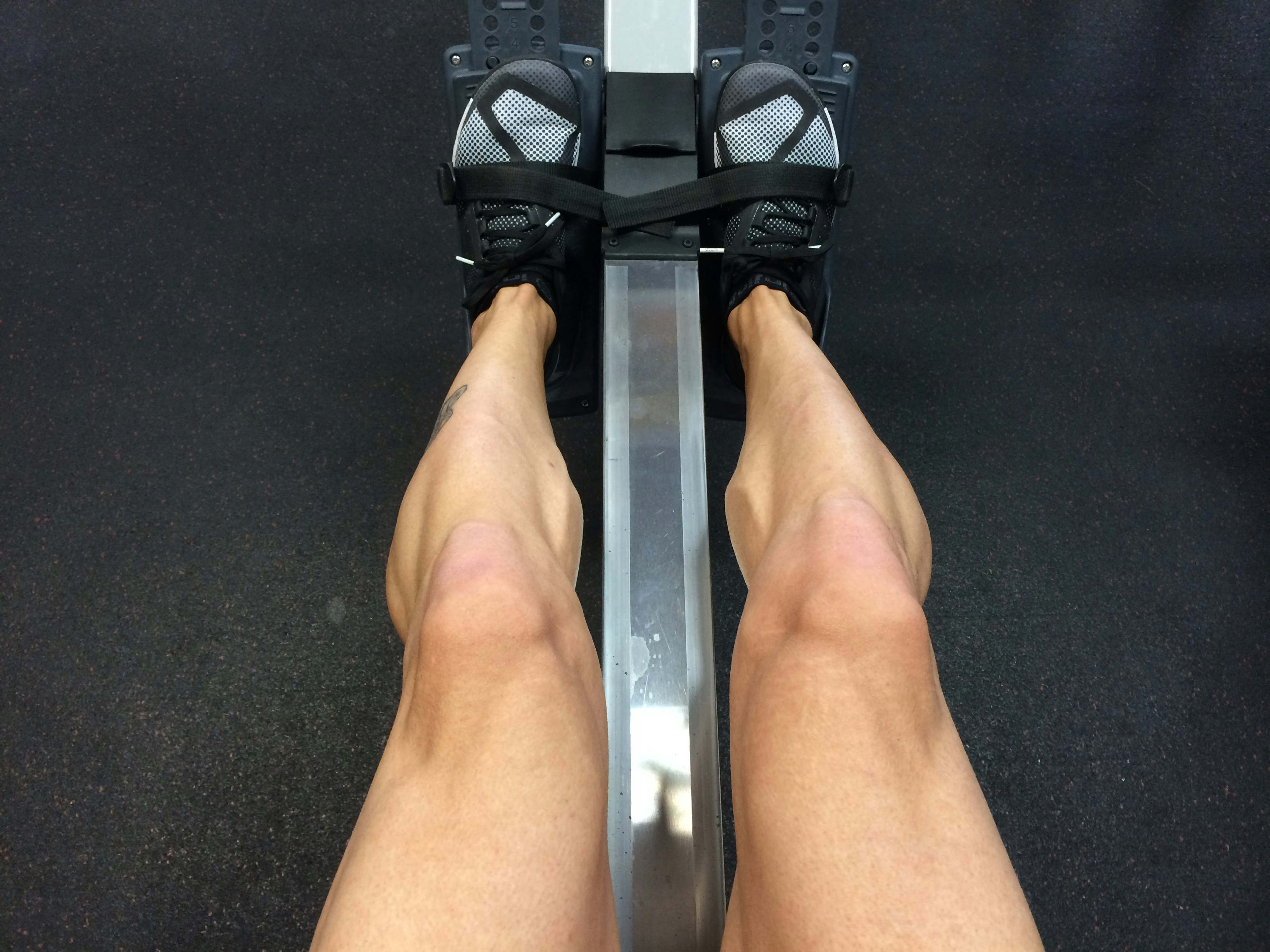
Getting on a rowing machine is a bit more of an event — foot straps, seat position, the mental commitment of unfolding or moving it into place if it's stored upright. None of that is a big deal on paper, but it's exactly the kind of small friction that determines whether a piece of equipment gets used daily or becomes a clothes rack by week three.
An exercise bike is closer to grab-and-go — sit down, start pedaling, no setup ritual. If the honest goal is "something I'll actually use for 15 minutes most days" rather than "the best possible workout when I do use it," that difference in friction is worth weighing more than the fitness specs.
The real-life verdict
Neither wins outright — they're solving different constraints. Rowing makes sense if there's genuine floor length to use it in, the noise profile of the specific model checks out, and the goal is a shorter, higher-intensity, full-body session. An exercise bike makes sense if floor length is the tighter constraint, near-silent operation matters more than anything else, or the realistic plan is passive, multitaskable cardio rather than a dedicated workout block.
If both genuinely fit the space, the honest tiebreaker is which one is more likely to actually get used three or four times a week — the "better" workout on paper loses every time to the one that happens consistently.