Apartment Living Tips
The Renter’s Guide to Quieter Apartment Workouts
Floor protection, low-impact swaps, and realistic ways to exercise without becoming that upstairs neighbor.
The non-equipment side of small-space training: noise, storage, floors, landlords, and staying neighborly.
Floor protection, low-impact swaps, and realistic ways to exercise without becoming that upstairs neighbor.
A room-by-room system for storing weights, bands, mats, and recovery tools without making a studio feel like a permanent gym.
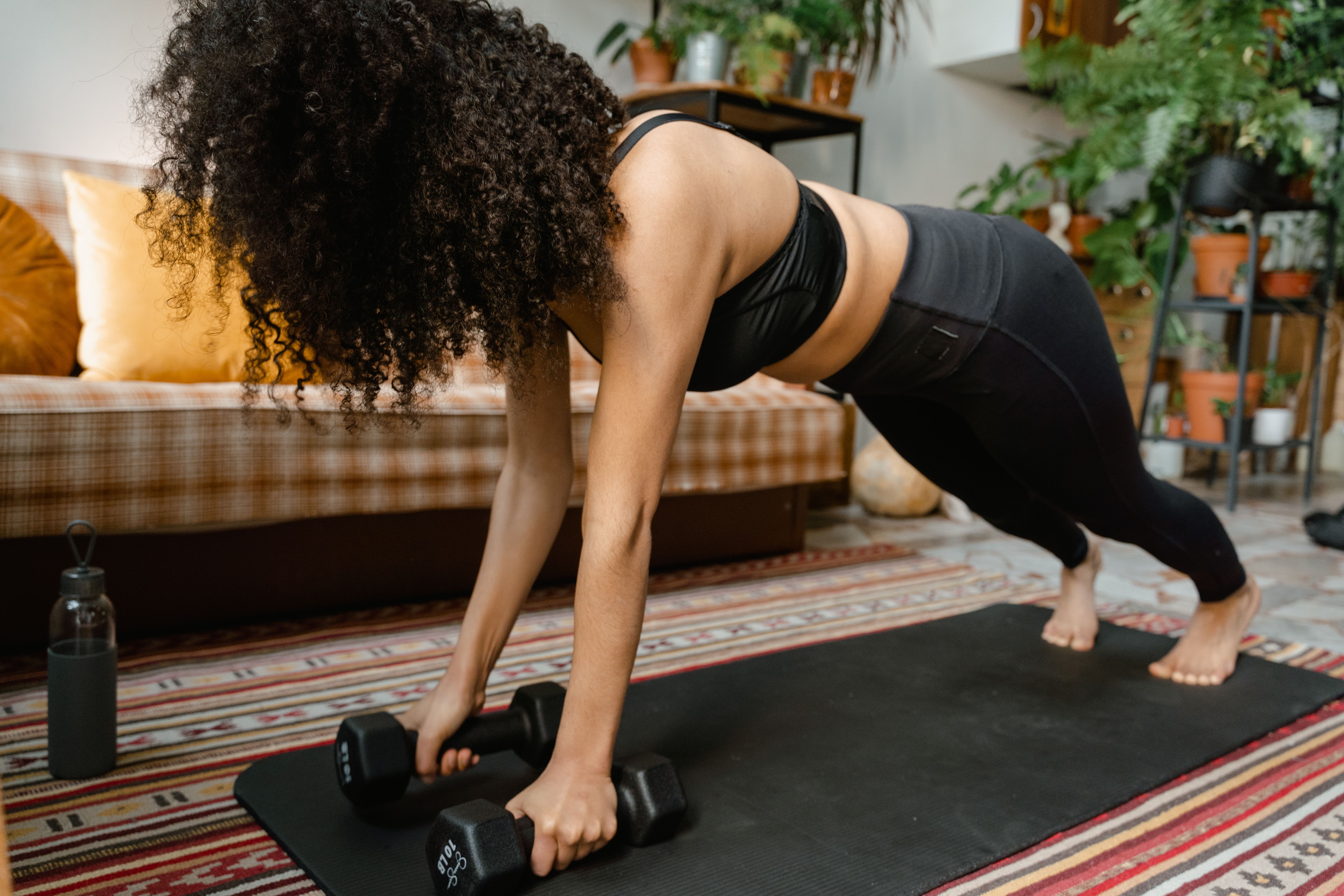
The dumbbells weren't the problem. The downstairs neighbor's passive-aggressive note taped to my door was the problem.
The gym you can't afford to skip is the one you never have to leave the house for. There's a real case that small-space fitness isn't a compromise -- it might actually be the version that sticks.
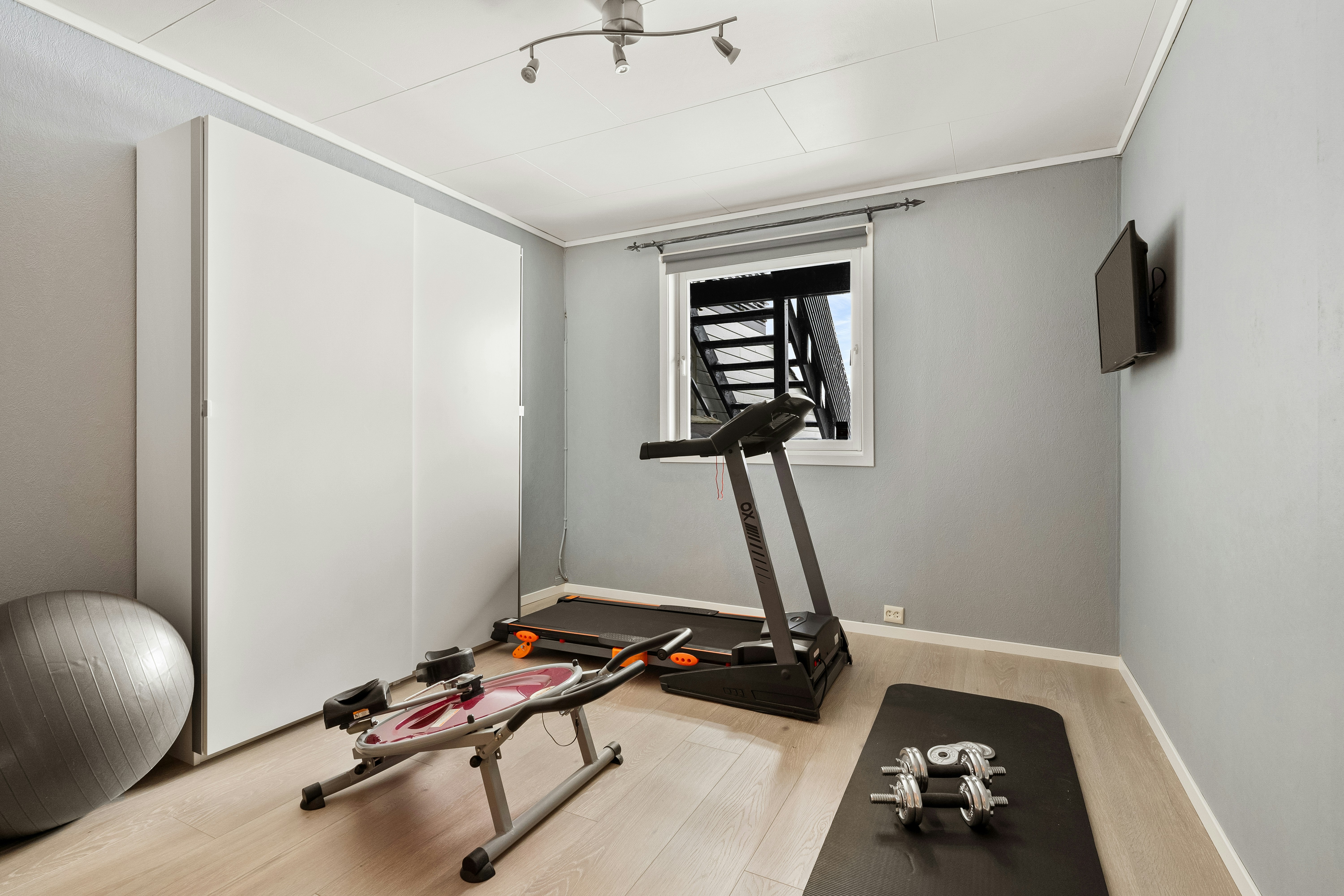
Nobody warns you that the hardest part of a studio apartment home gym isn't the space. It's convincing your brain that the corner by your bed is also a place to suffer on purpose.
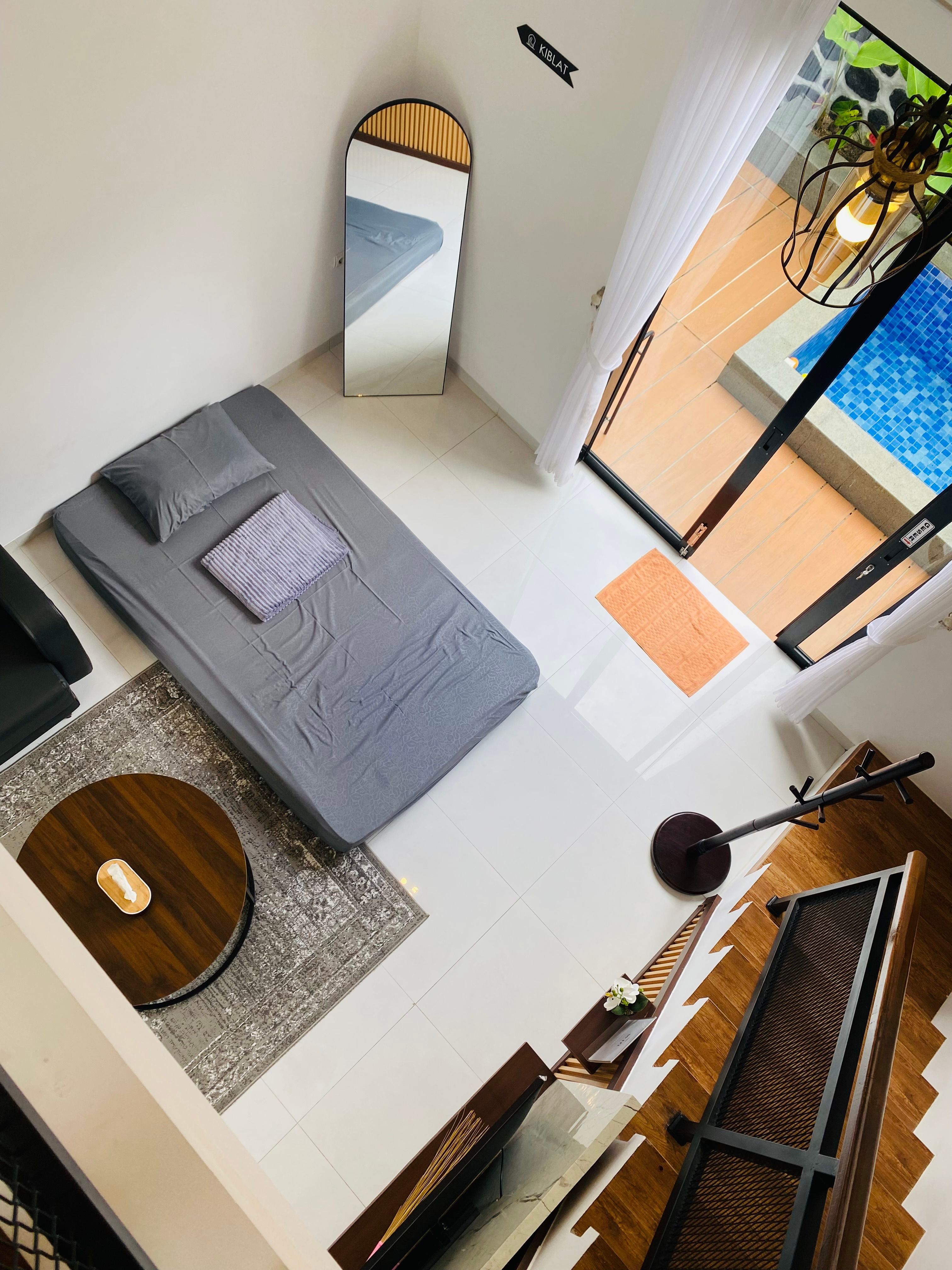
No spare room, no door to close, everything visible to anyone who walks in -- a studio has its own specific rules, and they're different from a 1-bedroom's.
You don't need to spend $500 to start training at home — you need to spend it on the right thing. Here's what actually earns its keep at each price point.
It's rarely the equipment. It's almost always one specific, predictable moment -- and once you see it coming, it's genuinely avoidable.
A studio has no one to answer to but yourself. A shared apartment has an actual second person with opinions about the coffee table being replaced by a kettlebell rack.
Two products can both say "folds flat" on the box and end up living completely different lives in your apartment. The word is doing less work than the listing wants you to think.
Not "does it fit," but "does it fit with the door open, the bed frame in place, and enough clearance to actually swing a kettlebell.
Floor space gets all the attention in apartment gym planning, but ceiling height is the measurement that actually determines whether a pull-up bar, squat rack, or suspension trainer will work in your space. Here's what to check before you buy.
A dorm room is smaller and more restrictive than even the tightest studio apartment already covered on this site — and half of it belongs to someone who didn't sign up for your workout schedule. Here's the starter kit built around what actually fits, what's actually allowed, and where it goes when you're done.
Storage ottomans and room dividers get your equipment out of sight. They also get it out of reach. Here's how to hide a home gym in a shared living space without building in the exact friction that kills a workout habit in the first place.
Every renter's home gym has the same hidden requirement generic equipment guides skip: nothing can touch the walls, the floor, or the neighbor's ceiling. Here's the actual equipment that passes that test, organized by what you're training, not just a list of "apartment-friendly" gear.
Splitting rent is the easy part. Splitting a kettlebell, a folding bench, and the only open floor space in the apartment is where roommate home gyms actually fall apart. Here's how to set it up so nobody's quietly resentful by month three.