Strength Equipment
Best Adjustable Dumbbells for Small Apartments in 2026
Four space-saving adjustable dumbbell sets compared by footprint, feel, weight range, and price for studio and one-bedroom apartments.
Straightforward buying advice for equipment that has to coexist with coffee tables, downstairs neighbors, and limited closets. Every guide is written for small spaces first.
Four space-saving adjustable dumbbell sets compared by footprint, feel, weight range, and price for studio and one-bedroom apartments.
Floor protection, low-impact swaps, and realistic ways to exercise without becoming that upstairs neighbor.
A room-by-room comparison of cost, storage, strength potential, and which one you will actually use.
The quietest ellipticals and cardio machines for apartments, compared by resistance type, footprint, and the vibration your downstairs neighbors actually hear.
A room-by-room system for storing weights, bands, mats, and recovery tools without making a studio feel like a permanent gym.
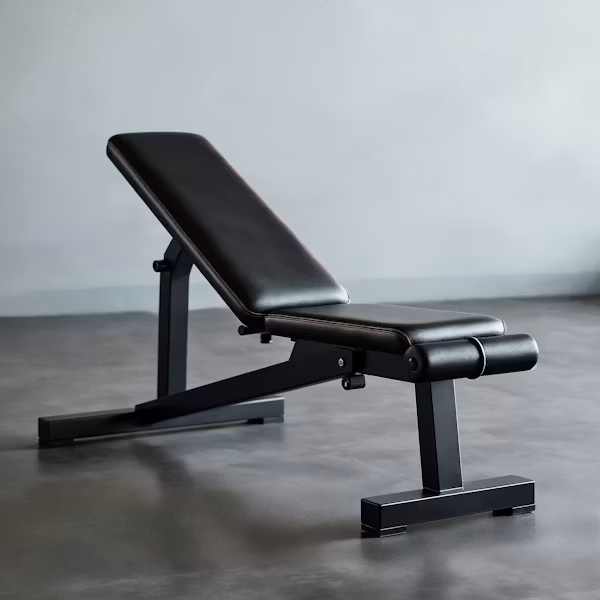
A weight bench used to be the piece of equipment that ruled out a small apartment gym entirely — these fold down small enough to lean behind a door.
Two of the cheapest, smallest cardio options for an apartment — but they land very differently on noise. Here's which one actually protects your relationship with the downstairs neighbor.
Two overlooked, under-$40 fixes handle most of the noise a home gym actually sends to your neighbors -- neither requires touching a wall.
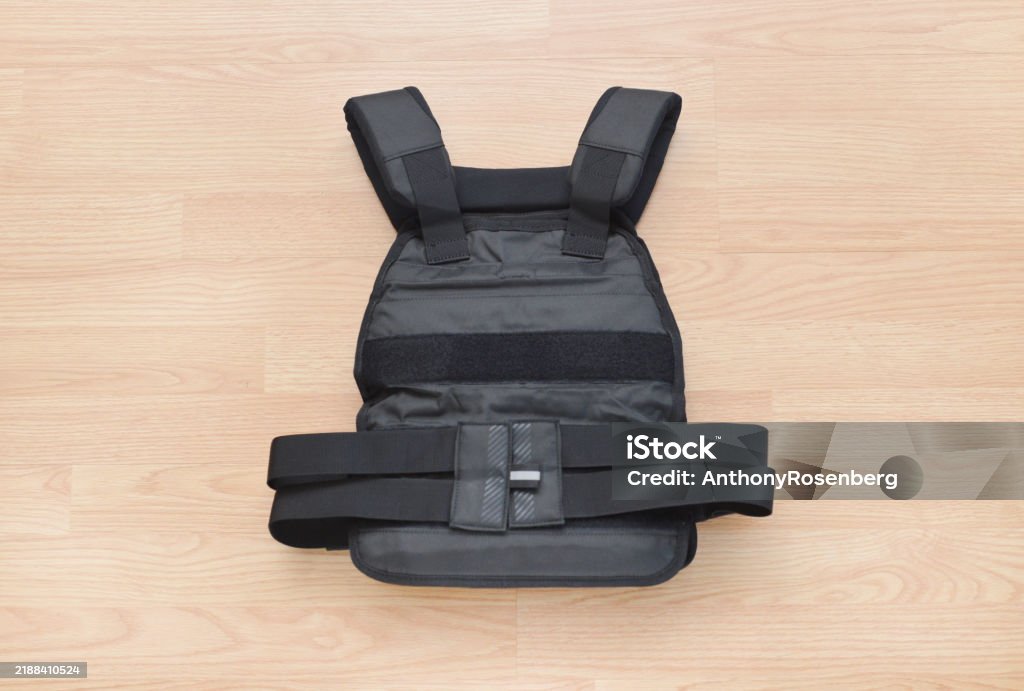
No floor space, no storage spot, no assembly -- a weighted vest adds real resistance to any bodyweight routine and hangs on a single hook when you're done.
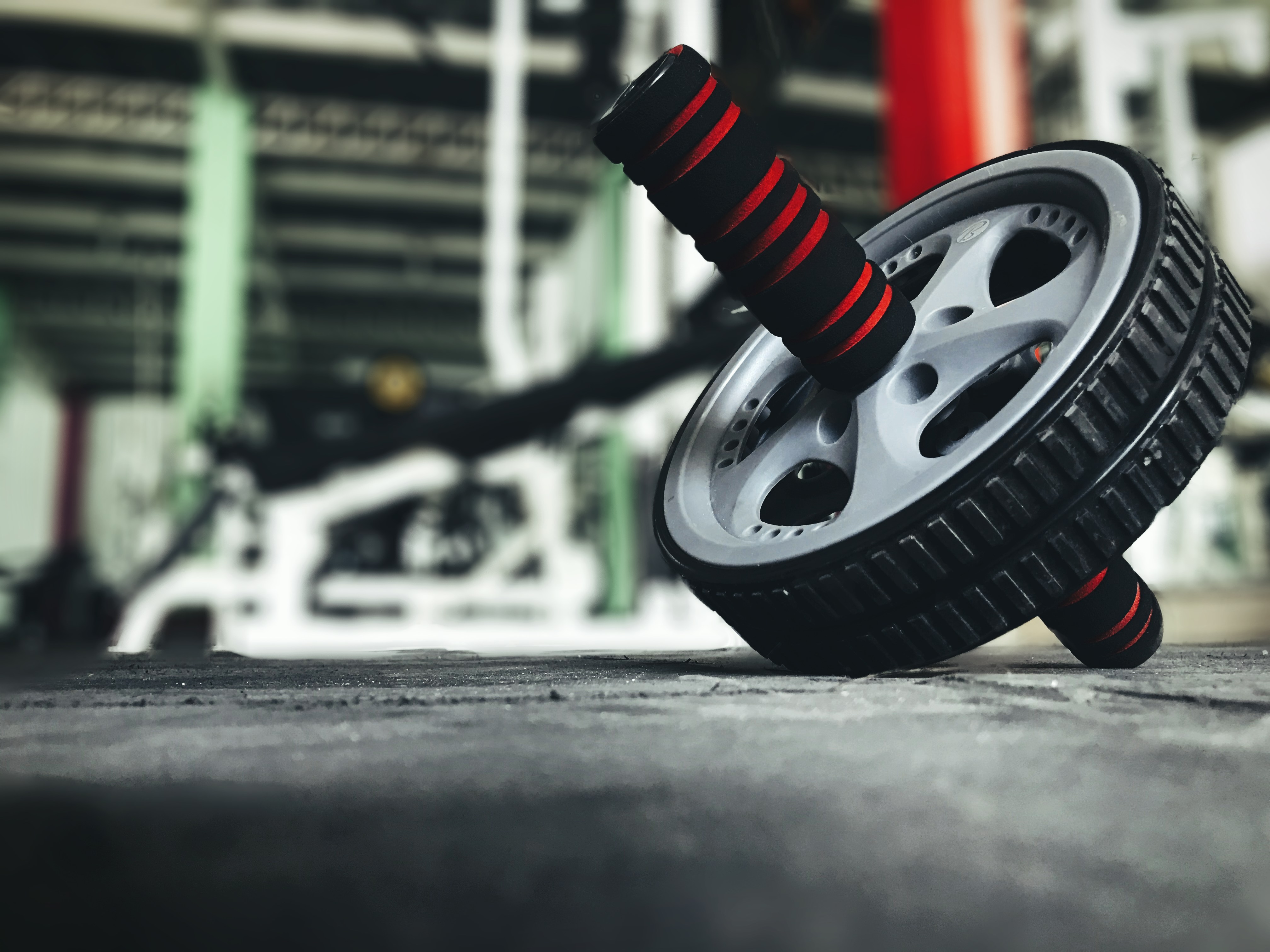
Both cost under $40 and store in a drawer -- the real difference is whether you want a spring assisting your rollback or just your own core doing the work
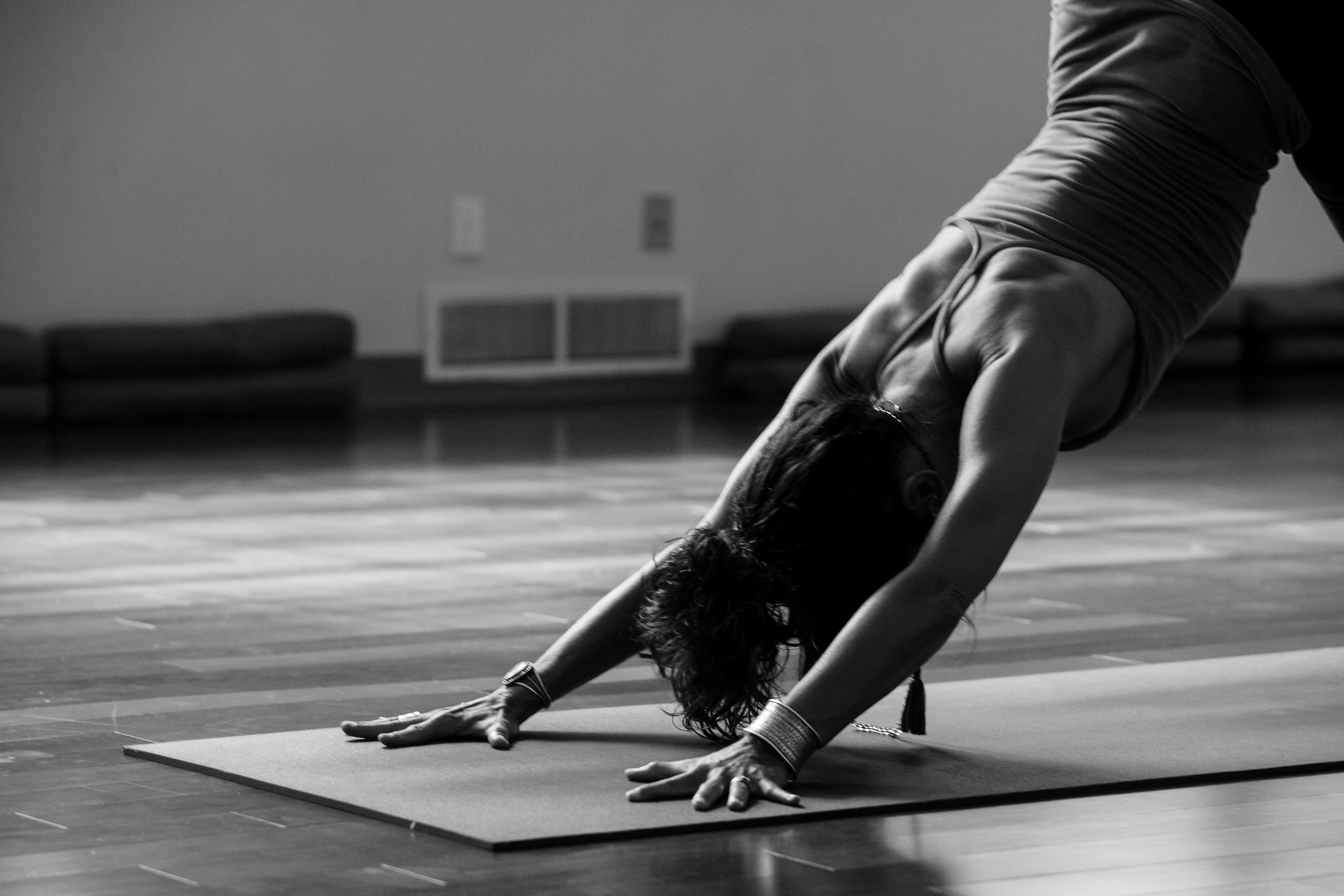
The best yoga mats for apartment living, picked for grip, the right thickness for your floor, and how small they roll up when you're done.
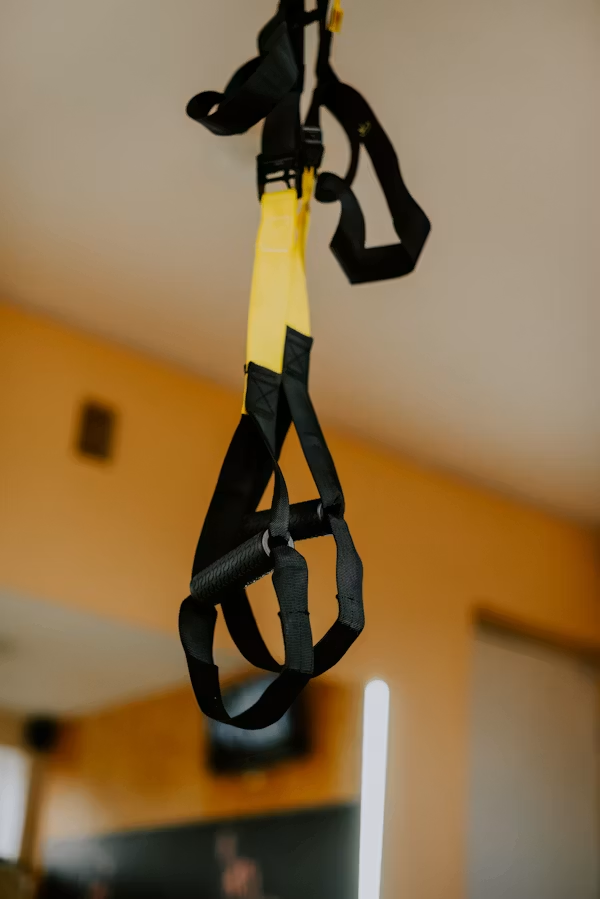
A door and a set of straps is genuinely a full-body gym -- no wall drilling, no floor space, and it packs into a bag smaller than a shoebox
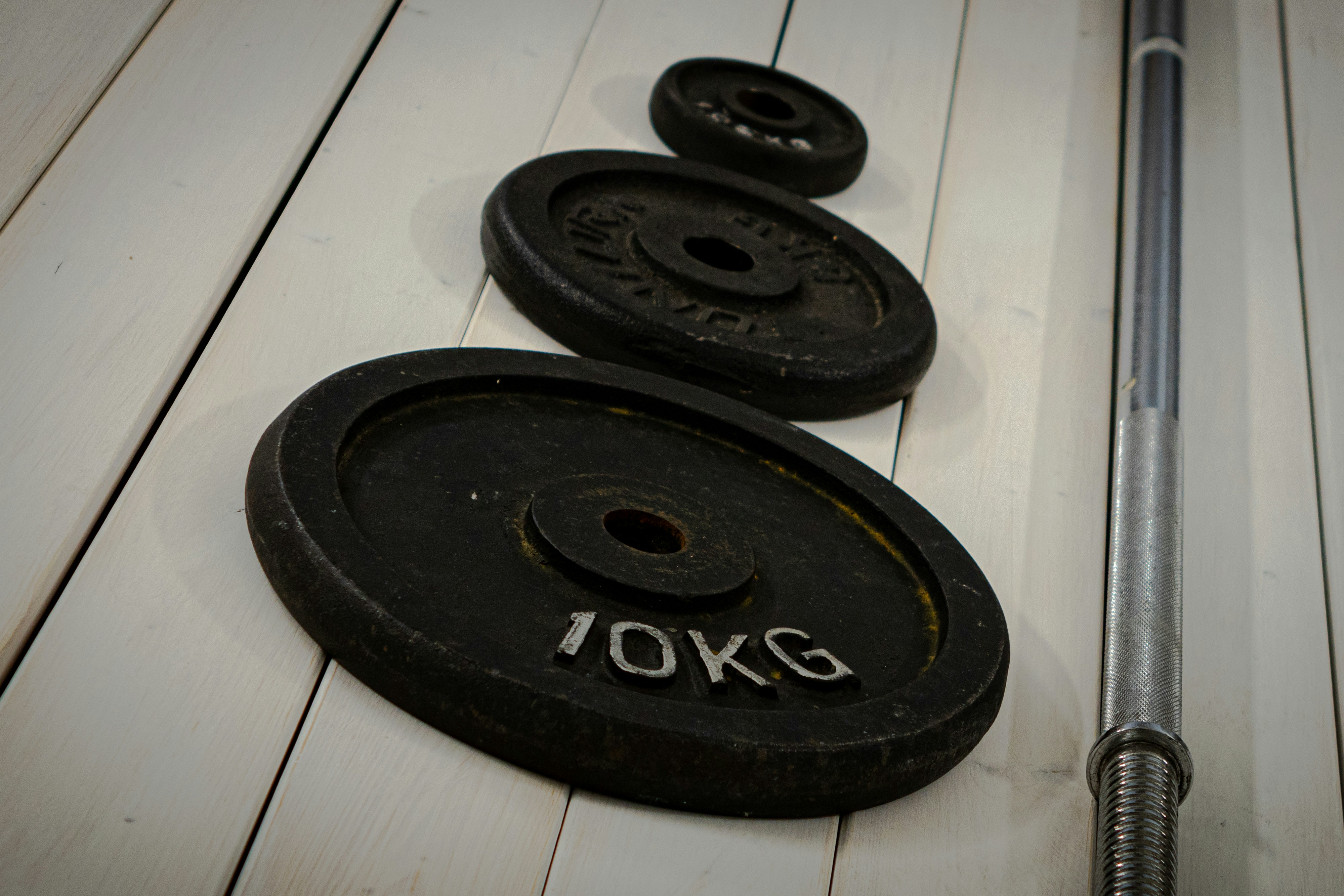
Weight plates are already flat and stackable -- pair them with a proper low-profile bin, and a full set of free weights disappears under your bed frame.
Same size, same weight range, completely different behavior when it hits the ground -- one bounces back, one stays put. That difference matters a lot more in an apartment than it sounds like.
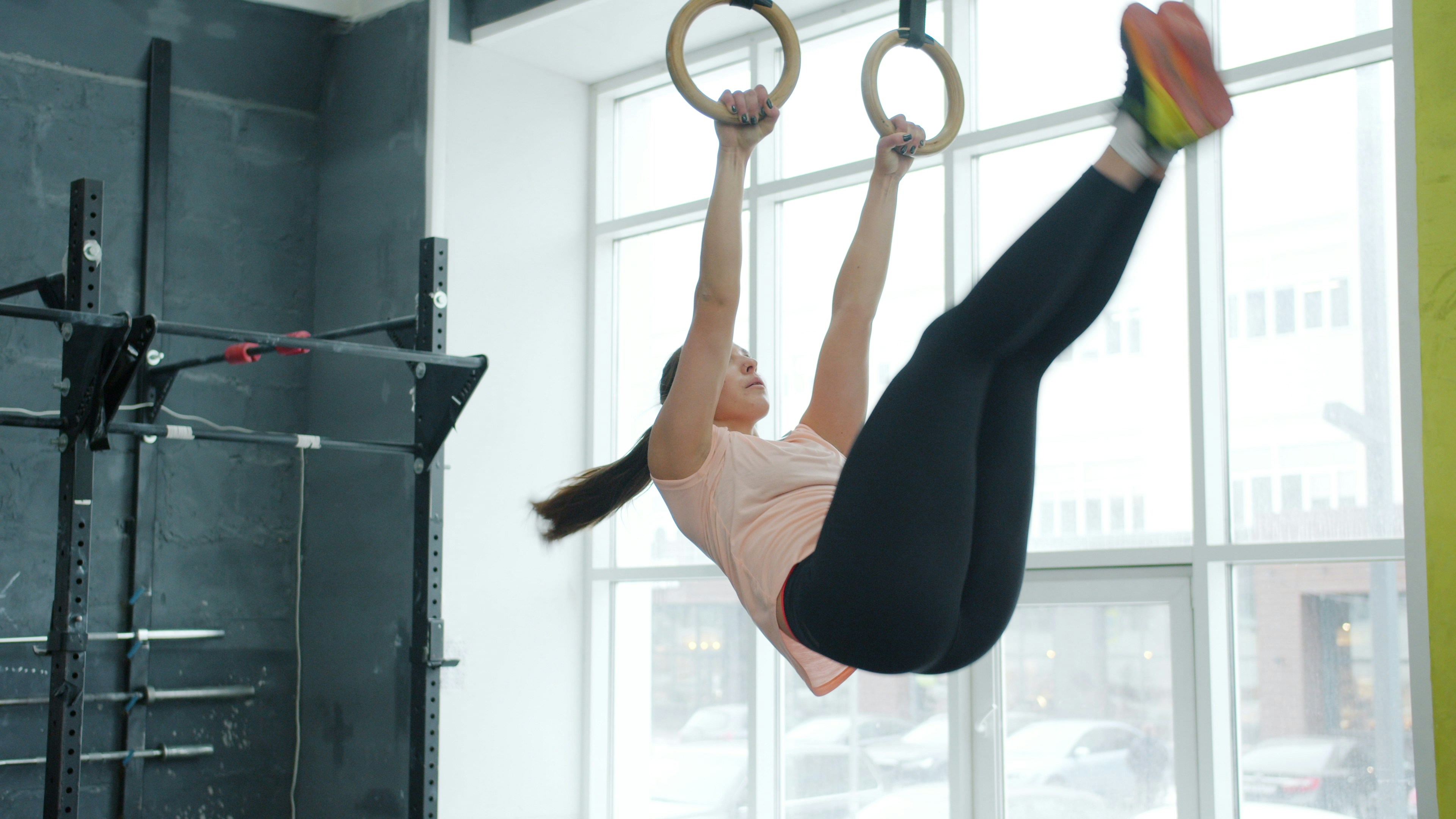
Pairs with a door, a pull-up bar, or nothing but a bag when you travel -- rings turn bodyweight training into something a lot closer to a real gym, without a single permanent fixture.
The dumbbells weren't the problem. The downstairs neighbor's passive-aggressive note taped to my door was the problem.
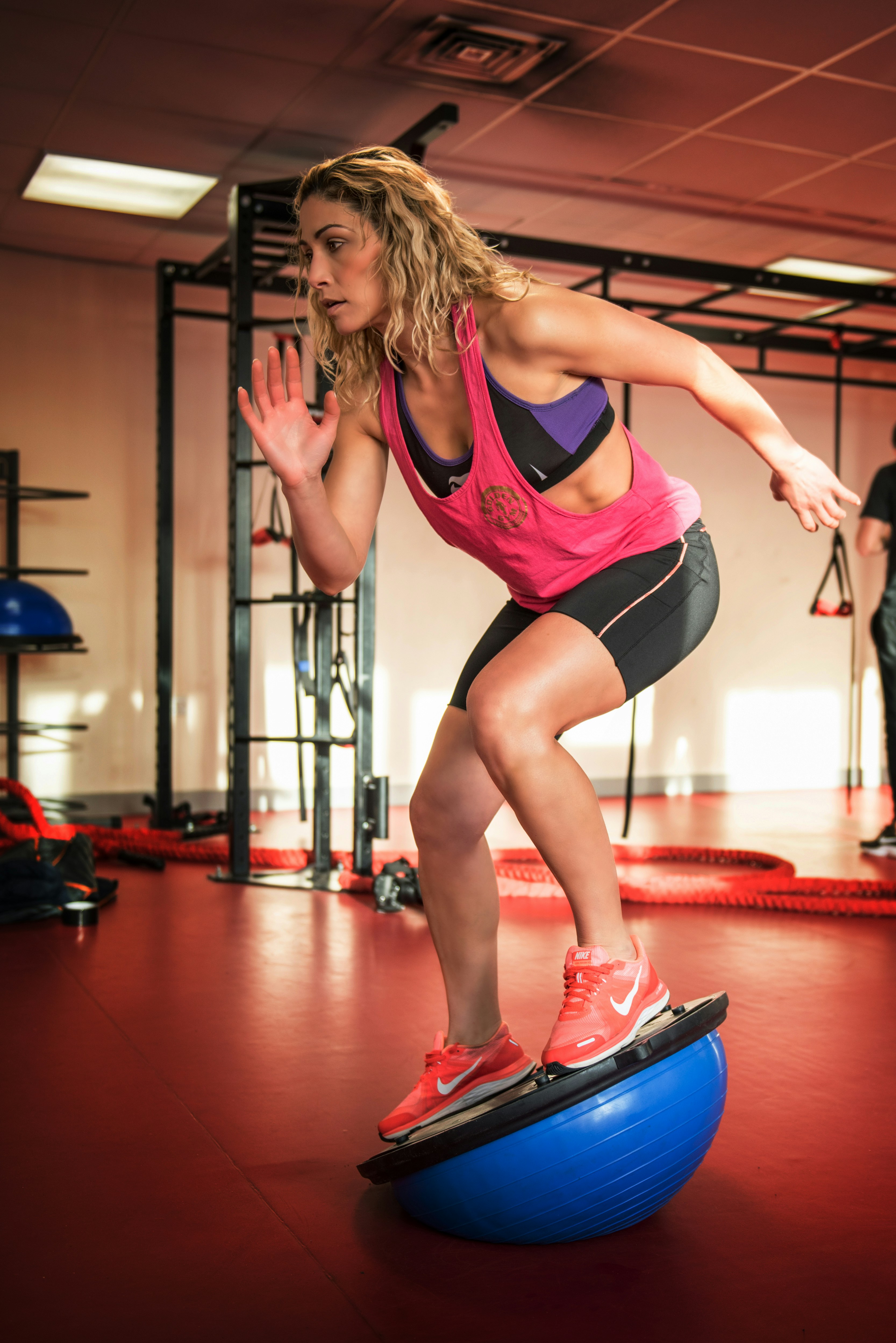
No footprint, no noise, no floor impact -- a balance board might be the single quietest piece of equipment on this entire site.
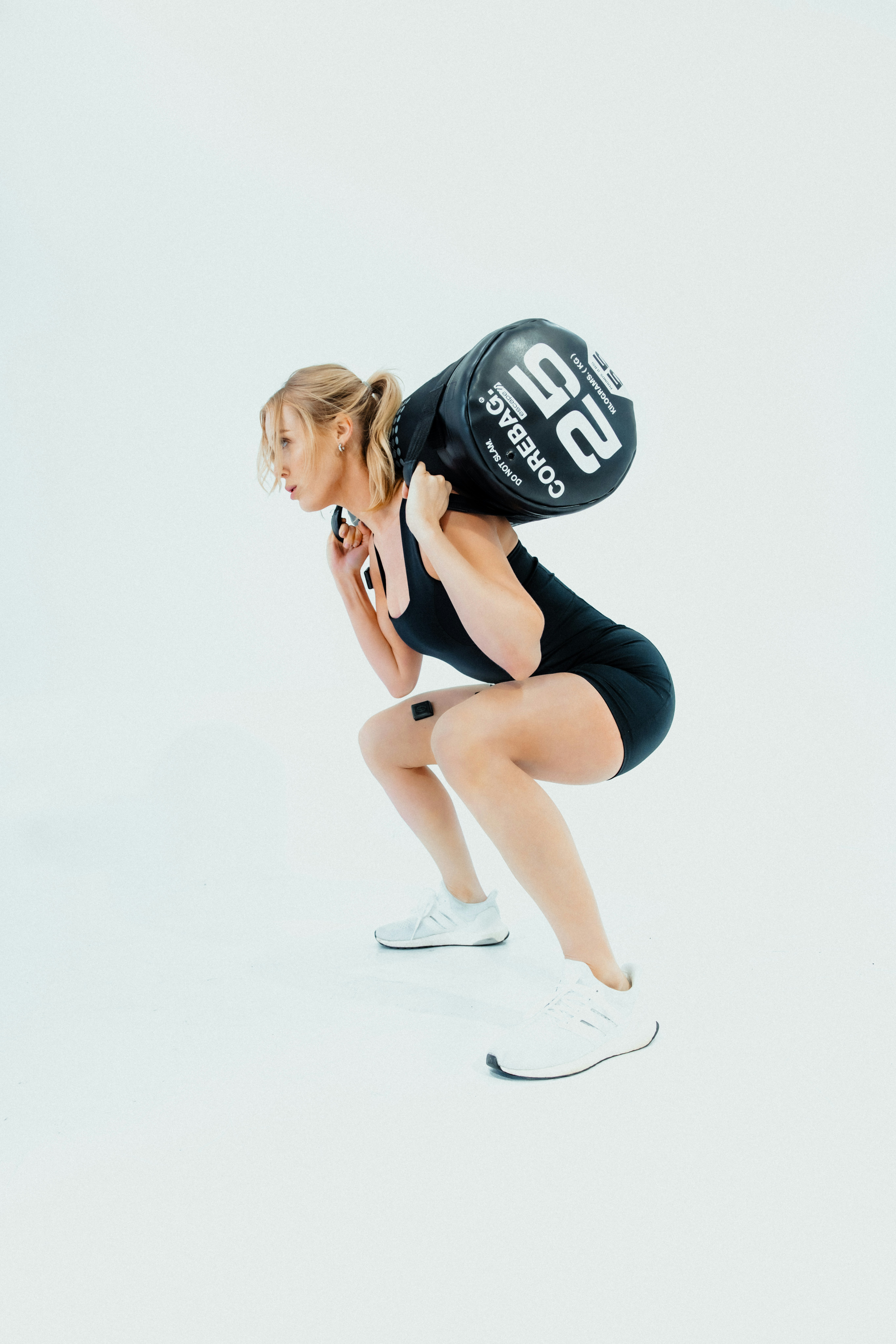
Empty, it folds flat enough to hang in a closet. Filled, it's one of the most genuinely versatile strength tools you can own -- and unlike dumbbells, the weight shifts as you move, which is exactly the point.
No mat, no rolling around, no waking up the person below you. Just five minutes, a wall, and a chair you already own.
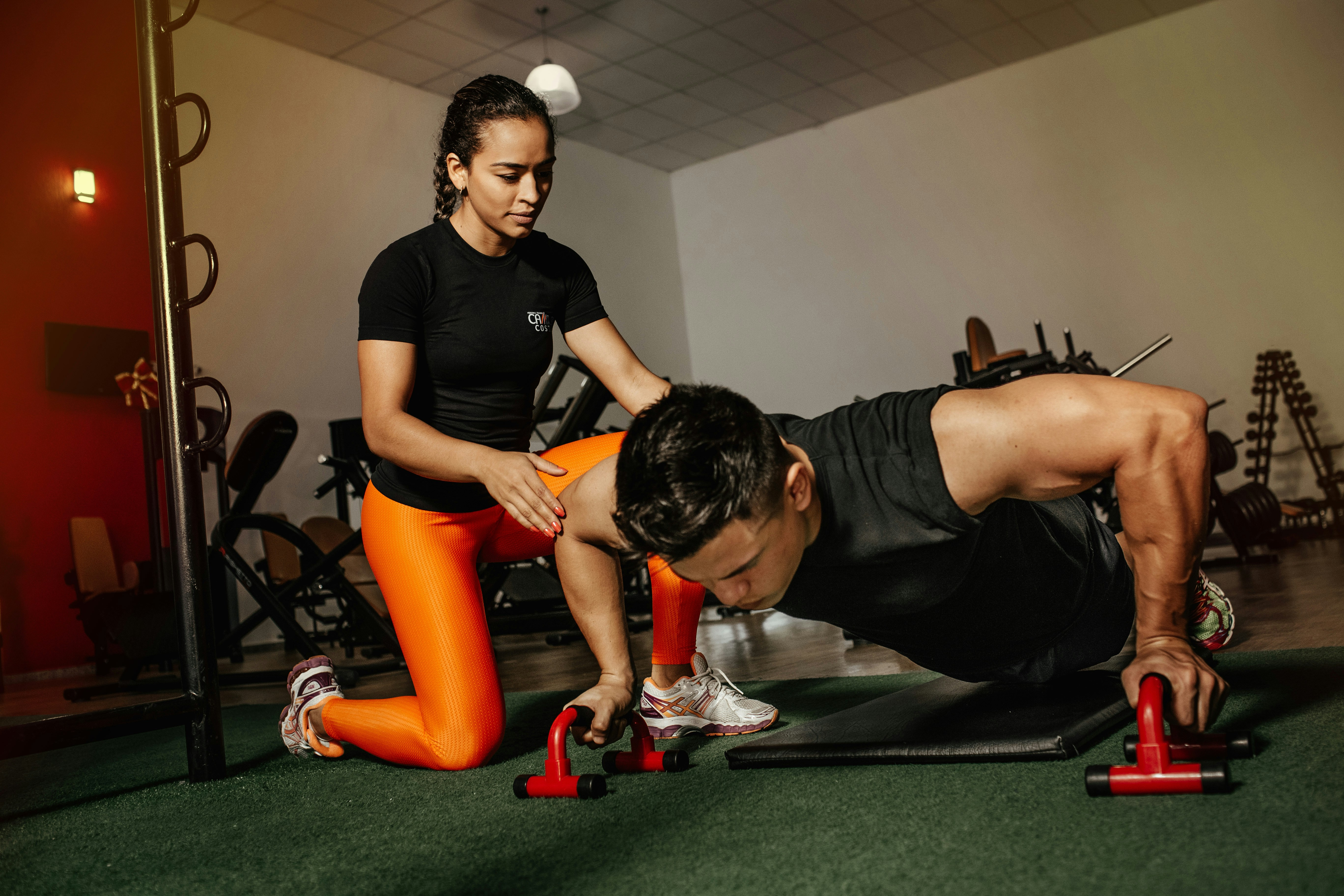
Two small handles that lift your hands a few inches off the ground -- and suddenly push-ups, dips, and L-sits all get a full extra range of motion your floor was blocking.
Fits in a jacket pocket, makes zero noise, and trains a part of your body every other piece of equipment on this site ignores.
The gym you can't afford to skip is the one you never have to leave the house for. There's a real case that small-space fitness isn't a compromise -- it might actually be the version that sticks.
Genuine cardio, genuine stress relief, and a rhythm that's satisfying in a way a treadmill just isn't -- here's how to add a speed bag to a small space without needing a home boxing gym.
Not glamorous, not loud, not going viral -- just a strip of fabric with loops that reaches muscles your hands genuinely can't, and rolls up smaller than a sock.
No gym required, no leg day guilt, just biceps, triceps, and shoulders -- a complete arms routine using gear that already fits in a drawer.
Strap them on, do what you were already doing -- squats, leg lifts, even walking around the apartment -- and every rep suddenly works harder without adding a single piece of bulky equipment.
A rowing machine can wreck a small apartment's floor space fast — here's how two magnetic rowers actually compare on footprint, feel, and price once they're folded.
Nobody warns you that the hardest part of a studio apartment home gym isn't the space. It's convincing your brain that the corner by your bed is also a place to suffer on purpose.
When the weather kills your outdoor run, this is the rotation that keeps your heart rate up without leaving your apartment — or your neighbors furious.
Tiny enough to live in a pocket, and the difference between your back giving out and your grip giving out first -- straps let the muscles you're actually training do the work
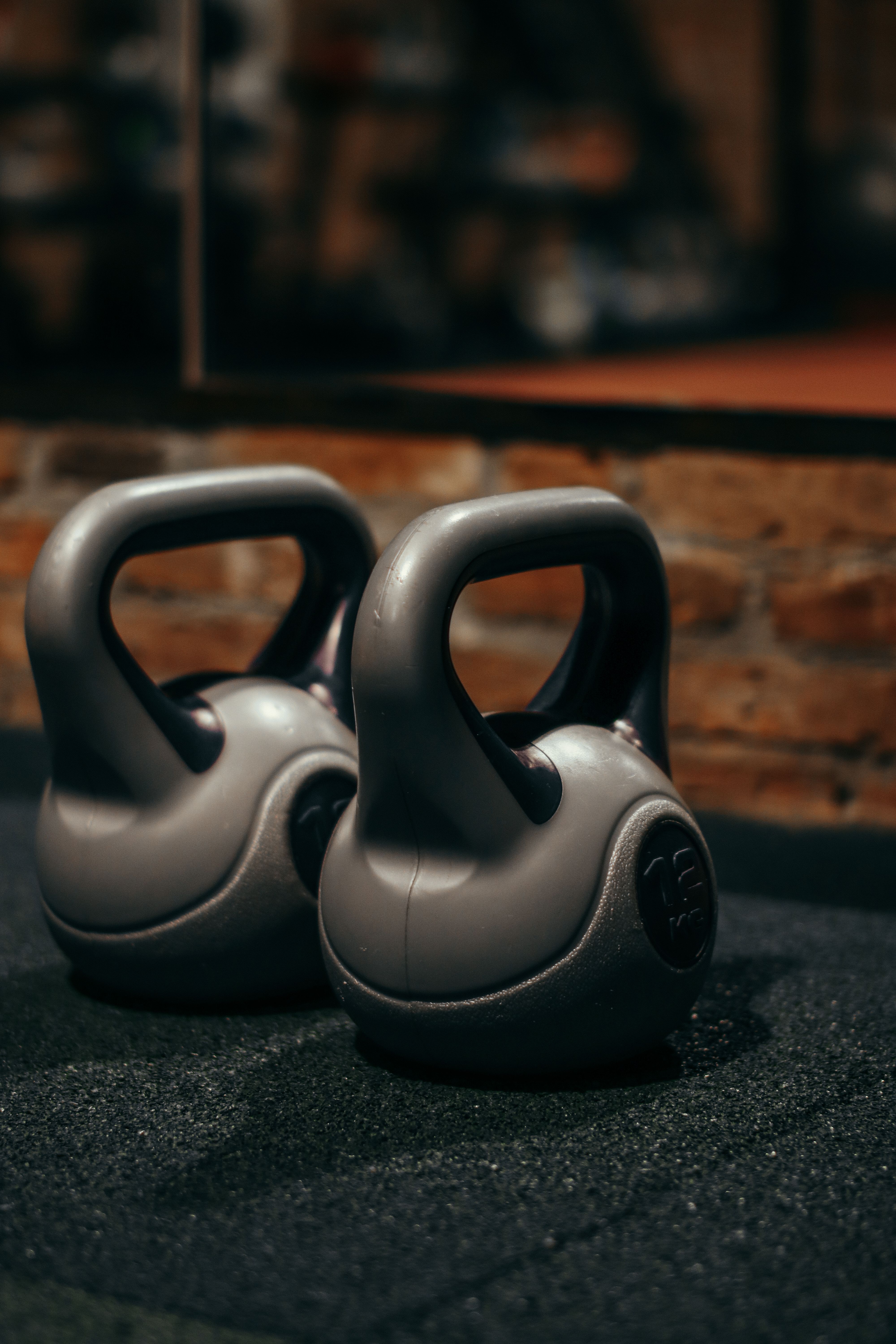
Your balcony is unused floor space with fresh air built in -- a coated kettlebell is the one piece of equipment that genuinely doesn't mind being left out there.
No spare room, no door to close, everything visible to anyone who walks in -- a studio has its own specific rules, and they're different from a 1-bedroom's.
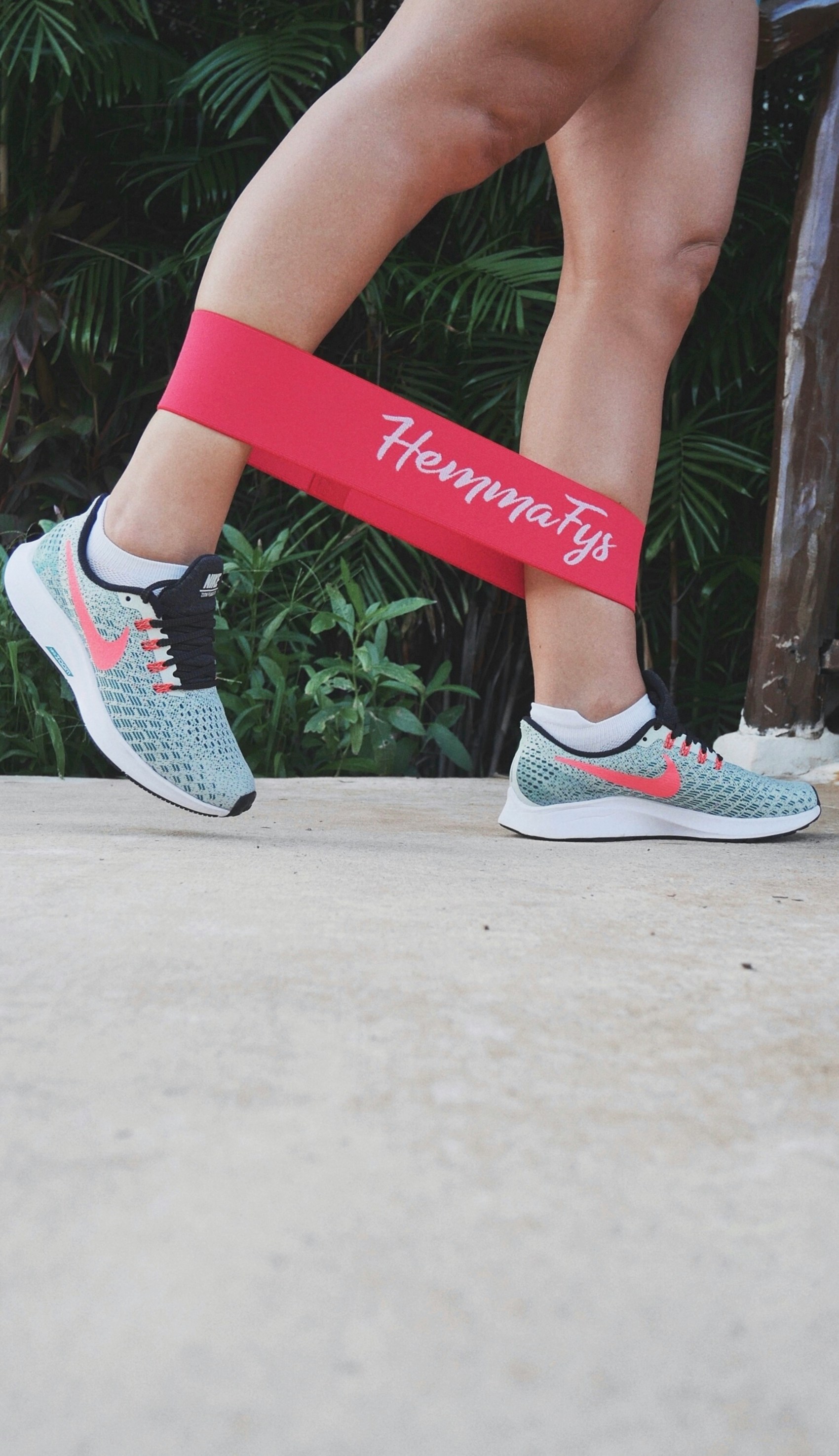
Not the same as the tube bands with handles already covered here -- these wrap around your legs, not your hands, and target a different training goal entirely.
Three days a week, one small equipment list, a real full-body plan -- not just a random collection of exercises, an actual structure you can follow week after week.
You don't need to spend $500 to start training at home — you need to spend it on the right thing. Here's what actually earns its keep at each price point.
Recovery days get skipped more than any other part of a home training routine — this is the low-effort rotation that makes them actually happen.
Two of the smallest cardio machines you can buy solve the same apartment problem in completely different postures — one has you standing, the other has you sitting. Here's which one actually fits your day
Not an arms day — a real upper body day, hitting back, chest, and shoulders with equipment that's already covered on the site.
No ceiling mount, no wall bracket, no security deposit at risk — a freestanding bag is the only real punching bag option most renters have.
Slide them on after a workout, or wear them during one -- graduated compression is one of the few recovery tools that works passively, no floor space or session required.
It's rarely the equipment. It's almost always one specific, predictable moment -- and once you see it coming, it's genuinely avoidable.
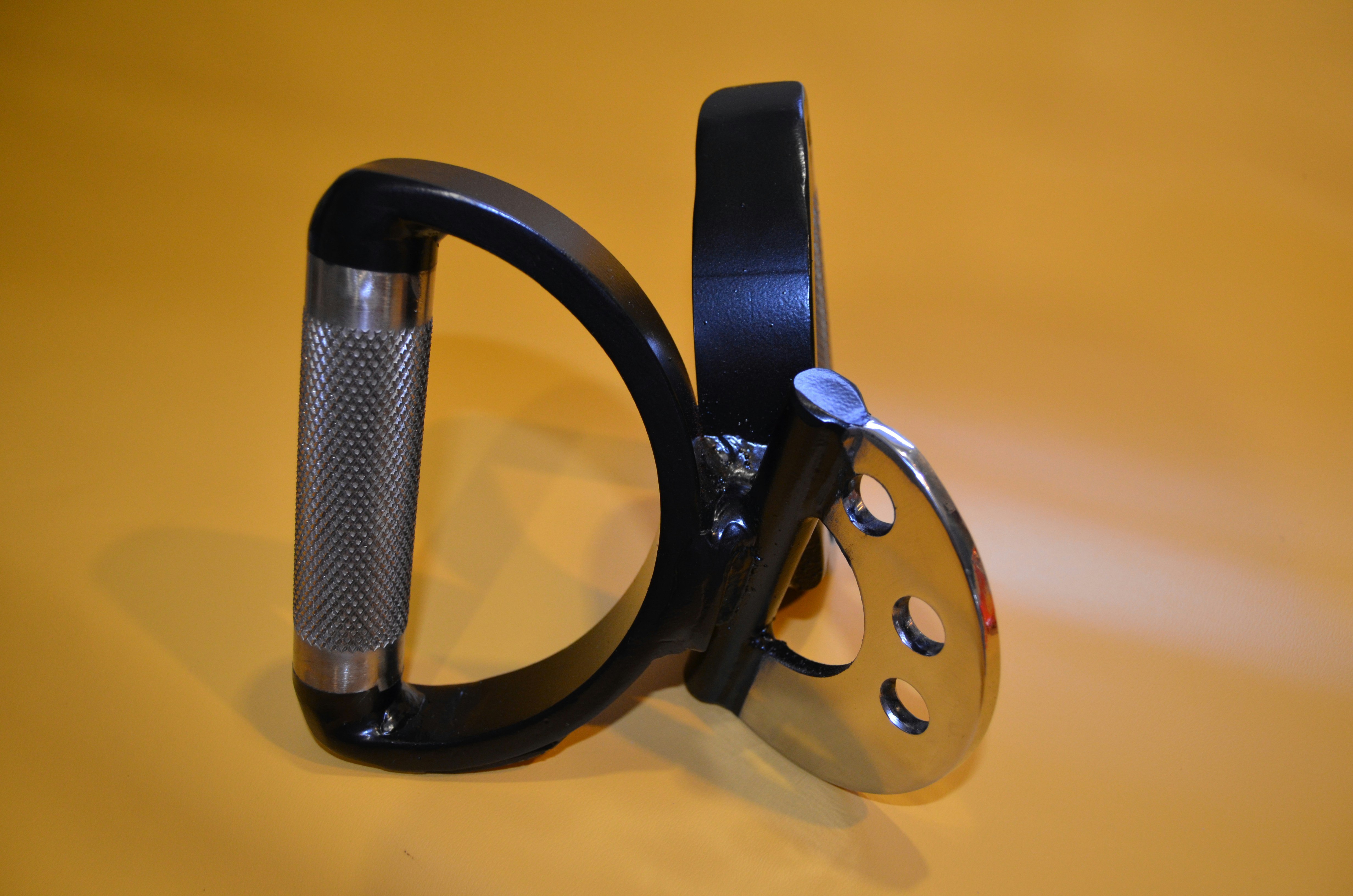
Once bodyweight pull-ups and dips stop being a challenge, a dip belt is the smallest, cheapest way to keep progressing -- no rack, no bench, just a chain and a plate.
Squats, glutes, calves -- a complete leg day using gear that's already sitting in a drawer, no bench or rack required.
A studio has no one to answer to but yourself. A shared apartment has an actual second person with opinions about the coffee table being replaced by a kettlebell rack.
Wraps around your wrist, not around a bar -- the difference from lifting straps already covered here, and why you might genuinely want both.
Completing the trilogy with arms and legs -- a focused core routine using gear that's already covered on this site, no floor space beyond what a plank needs.
Wet it, wring it, snap it -- and you're cooler for hours. No electricity, no bulk, just fabric that does more than a regular towel ever could.
Slides under a bed when you're done, quiet enough to use on a work call, and it turns dead time at a desk into actual daily movement.
Both fold small, both work quietly, both solve the "I don't have room for real cardio" problem -- but they're built for genuinely different parts of your day.
The honest answer is less than you think -- but exactly how much depends heavily on which room you're actually working with.
It's one of the more space-hungry items on this whole site, and for a real chunk of readers, the honest answer is: not yet, and maybe not for a while.
Deflated, it fits in a duffel bag. Inflated, it does a version of what a bench does -- with a genuinely different trade-off worth knowing before you buy either one.
Two products can both say "folds flat" on the box and end up living completely different lives in your apartment. The word is doing less work than the listing wants you to think.
Rolls up smaller than a yoga mat, works while you just lie there, and is genuinely one of the cheapest recovery tools on this entire site.
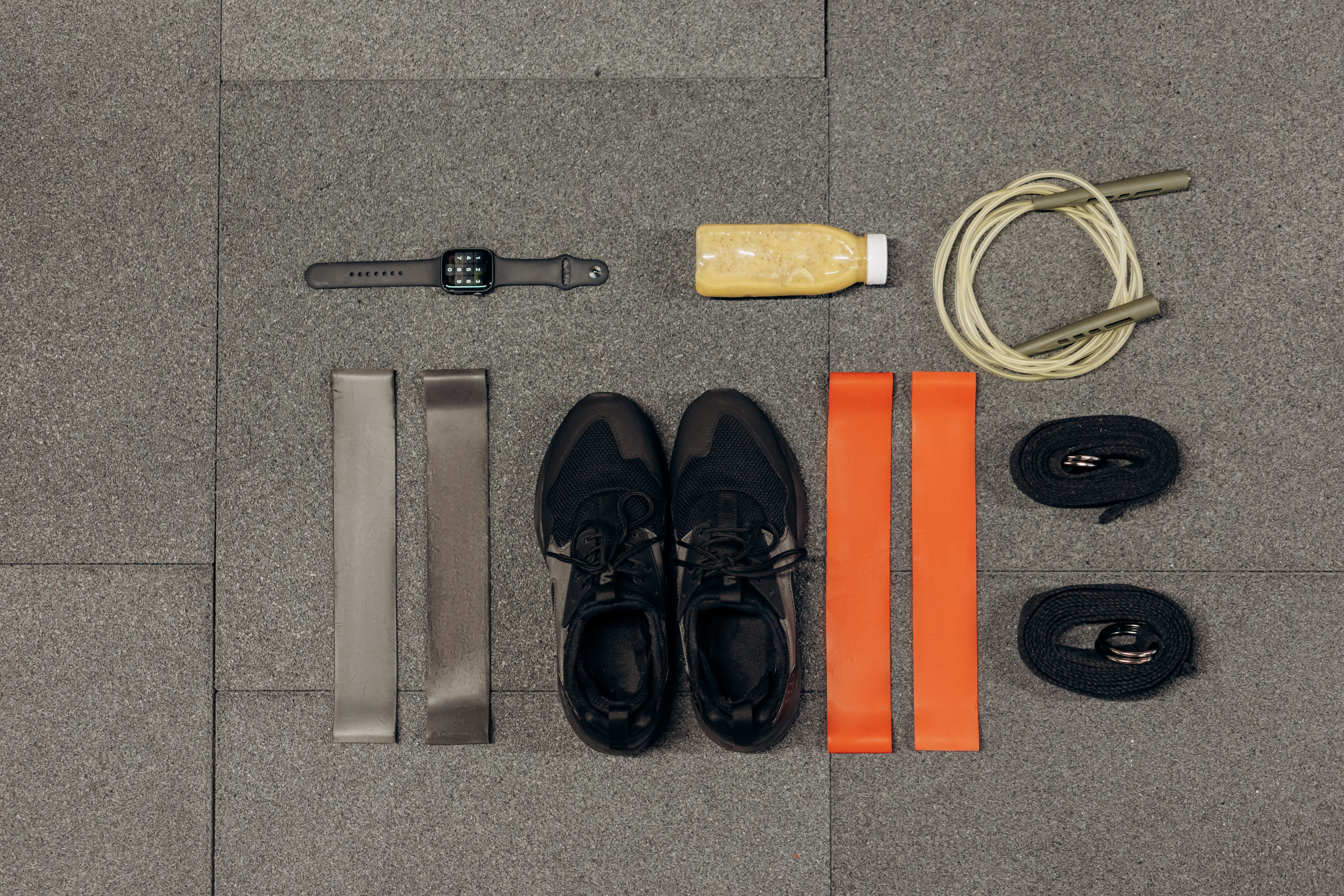
No rack, no bench, no bulky footprint -- just a band, a pair of ankle weights, and a set of core sliders, all of which genuinely live in one drawer between sessions.
Thinner than a wine bottle, longer than a ruler, and it reaches spots a foam roller and a massage ball both struggle with.
Not "does it fit," but "does it fit with the door open, the bed frame in place, and enough clearance to actually swing a kettlebell.
Honest answer: a real battle rope, probably not. The compact "ropeless" alternatives exist, but the review data on most of them isn't good enough yet to recommend confidently.
Two riding positions, arm resistance bands built in, and it folds down without needing a permanent claim on your living room.
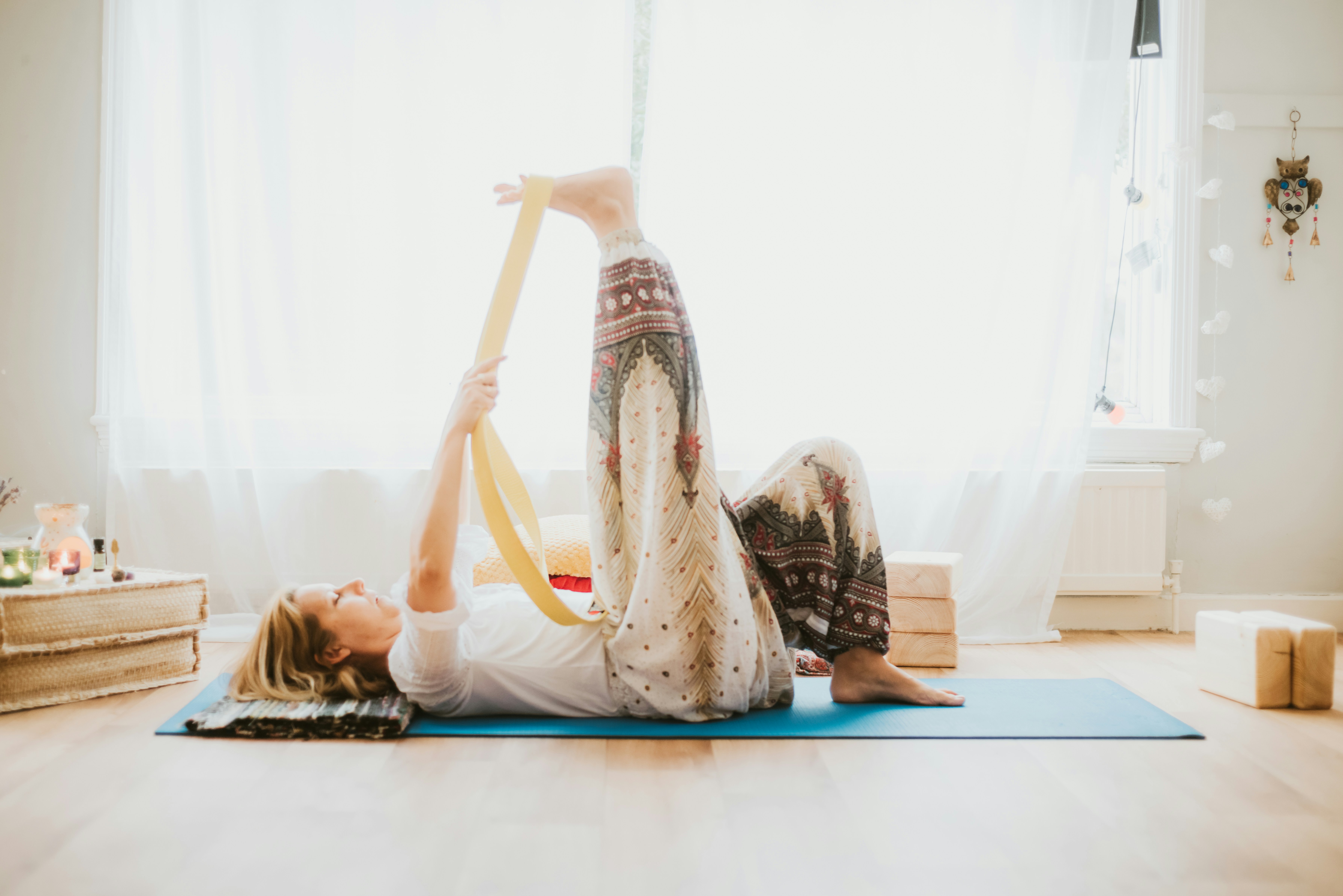
Yoga and Pilates get pitched as "great for small spaces" without anyone explaining what that actually means in square feet. Here's the real footprint — mat size, arm-reach clearance, ceiling height, and where a reformer stops making sense.
Our guide to yoga and Pilates space requirements made a promise it didn't cash in: under 6x6 feet, you're not out of options, you're just doing a different kind of practice — more restorative, more seated, more balance-focused. This is that promise, delivered as five actual flows instead of a general reassurance. Each one below lists its real footprint, roughly how long it takes, and the one piece of gear worth having if any. None of them need the full 6x8 feet a moving vinyasa practice wants — that's the whole point.
A genuine cardio circuit that never leaves the ground — no jumping, no equipment, no downstairs-neighbor problem, built around what actually makes apartment cardio loud.
A squat rack is the single biggest footprint commitment in a home gym. Here's who genuinely needs one, who doesn't yet, and what the foldable/wall-mounted alternative actually trades away.
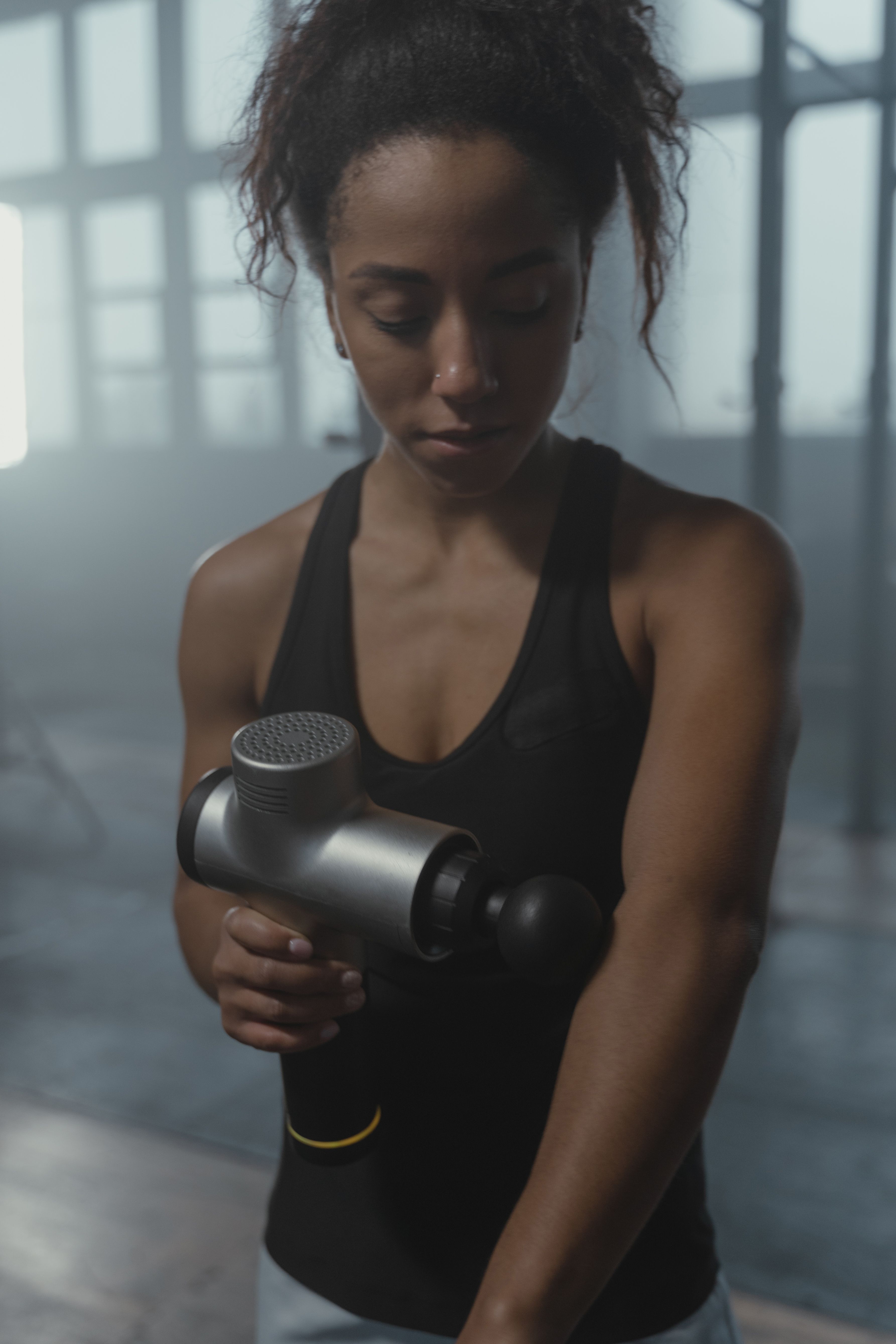
A massage gun is one of the few recovery tools that can actually carry through a shared wall — here's what to look for in a compact, quiet option, and where a mini design's limits actually show up.
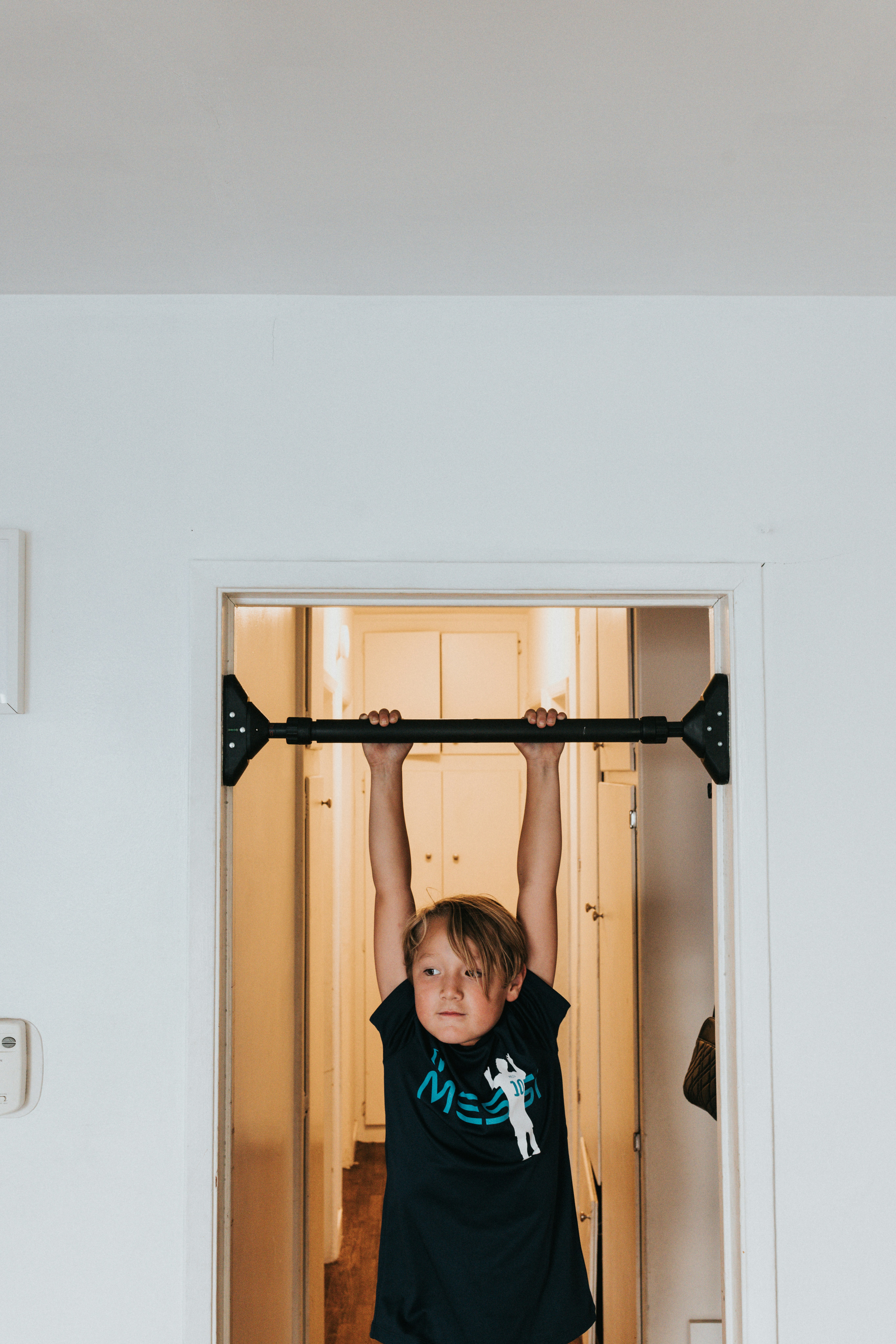
A doorway pull-up bar covers one of the hardest muscle groups to train at home, takes up zero floor space, and needs nothing drilled into a wall you don't own — if your door frame actually fits it.
Both promise a serious apartment-friendly cardio session, but they solve genuinely different constraints — one's about floor length, the other's about how passively you can actually use it.
One dial-adjustable kettlebell can replace a whole rack of fixed-weight bells. Here's whether that trade actually makes sense for a small apartment, and which of the two real options is worth the extra cost.
Every apartment fitness site has a 'best equipment' list. What's missing is what order to buy things in, and what to deliberately skip until you've actually outgrown the basics.
Floor space gets all the attention in apartment gym planning, but ceiling height is the measurement that actually determines whether a pull-up bar, squat rack, or suspension trainer will work in your space. Here's what to check before you buy.
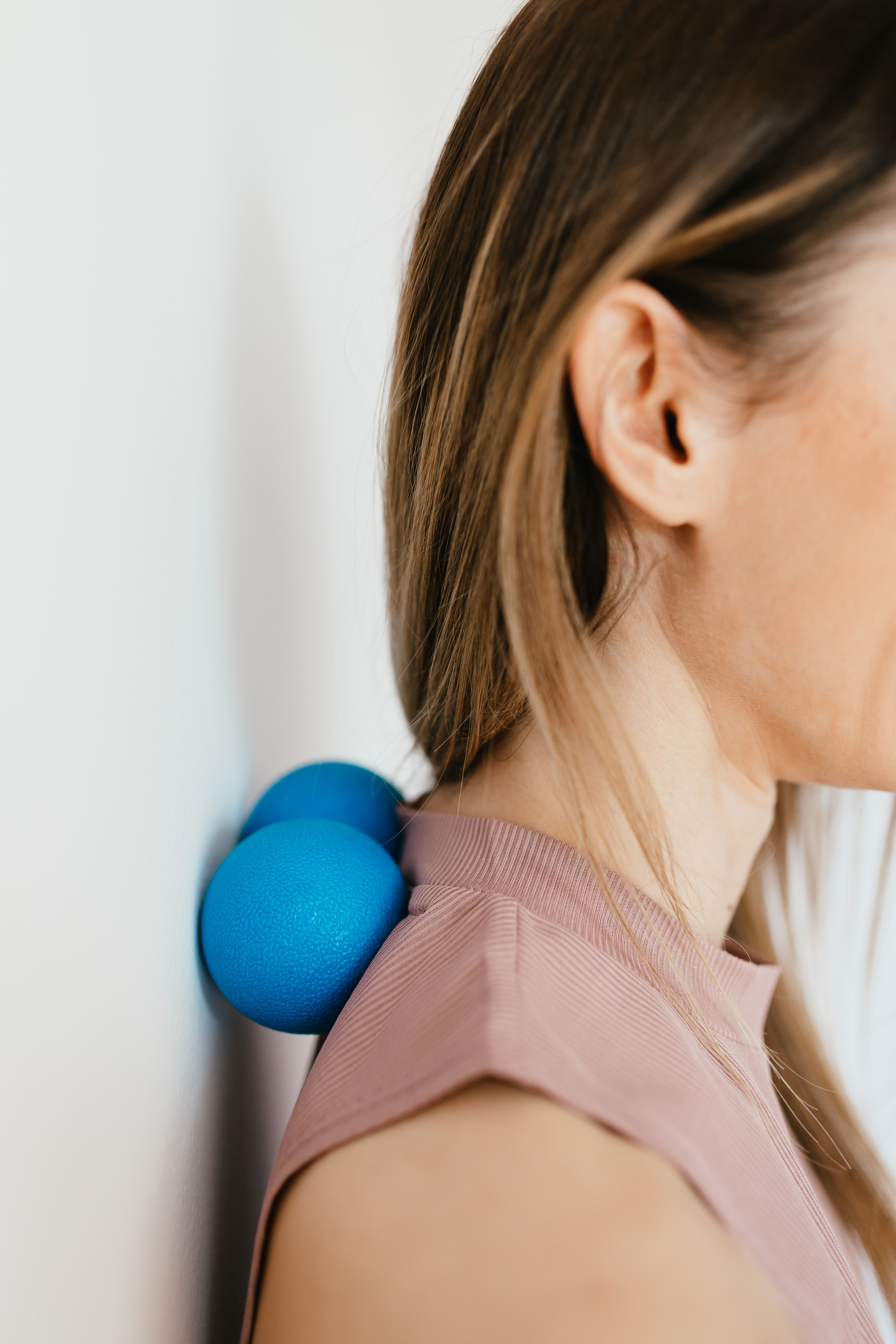
A foam roller and a massage gun cover a lot of ground fast, but neither is built to pinpoint one small, stubborn knot. A trigger point ball is the cheap, zero-storage tool that actually finds it.
HIIT works by raising your heart rate fast — it doesn't have to work by slamming your feet into the floor above your downstairs neighbor. Here's how to keep the intensity and drop the impact.
A door anchor turns a plain set of resistance bands into a genuine cable-machine substitute — rows, presses, face pulls, lat pulldowns — with zero drilling and zero floor space.
Renters move far more often than most home gym advice assumes. Here's what equipment survives a move without drama, and what turns moving day into its own project.
Cold plunge content almost never mentions the floor, the drain, or the noise — the three things that actually determine whether this is realistic in a rental apartment.
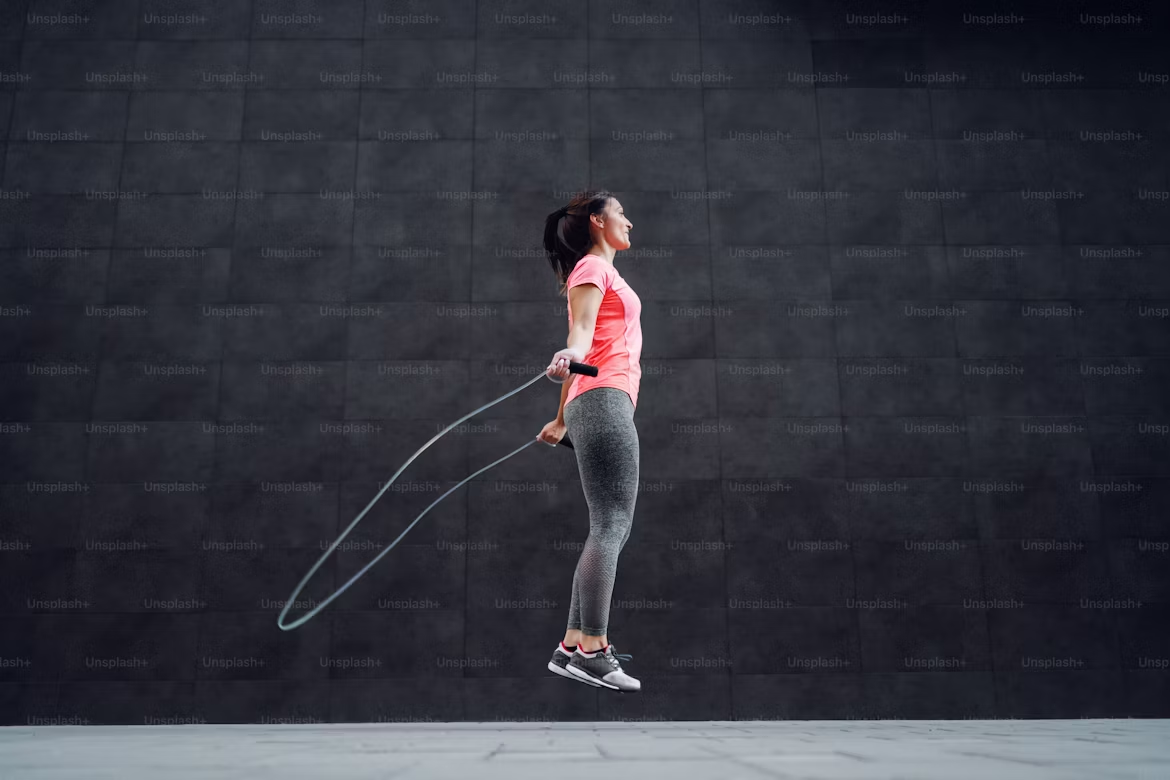
A jump rope is one of the cheapest, most portable cardio tools you can own. The real question is whether you can do it without bothering your downstairs neighbor — and the answer is almost entirely about technique, not the rope.
A dorm room is smaller and more restrictive than even the tightest studio apartment already covered on this site — and half of it belongs to someone who didn't sign up for your workout schedule. Here's the starter kit built around what actually fits, what's actually allowed, and where it goes when you're done.
More weight isn't always the fix, and neither is sticking with the same resistance forever. Here's how to actually tell when you've outgrown your dumbbells, kettlebell, or bands — and when the real problem is your program, not your equipment.
Most "protect your floor" advice skips the part where the mat itself can be the problem. Here's what actually protects hardwood — and the one material question worth asking before you buy anything.
Massage guns and foam rollers feel like recovery. Sometimes they are. Here's how to tell whether your soreness is a gadget problem or a sleep-and-load problem — before you spend money solving the wrong one.
A mini stepper promises real cardio in almost zero floor space. The catch is that most buying guides never explain what actually differs between models — resistance type, motion style, and whether a handlebar is worth the extra few inches. Here's what matters and two picks worth the money.
Storage ottomans and room dividers get your equipment out of sight. They also get it out of reach. Here's how to hide a home gym in a shared living space without building in the exact friction that kills a workout habit in the first place.
A full power tower adds dips, pull-ups, and core work a door bar can't touch — if your ceiling and floor space can actually take it. Here's the real space math, a compact alternative if they can't, and two picks that clear our rating bar without a disclosed exception.
Every renter's home gym has the same hidden requirement generic equipment guides skip: nothing can touch the walls, the floor, or the neighbor's ceiling. Here's the actual equipment that passes that test, organized by what you're training, not just a list of "apartment-friendly" gear.
Splitting rent is the easy part. Splitting a kettlebell, a folding bench, and the only open floor space in the apartment is where roommate home gyms actually fall apart. Here's how to set it up so nobody's quietly resentful by month three.
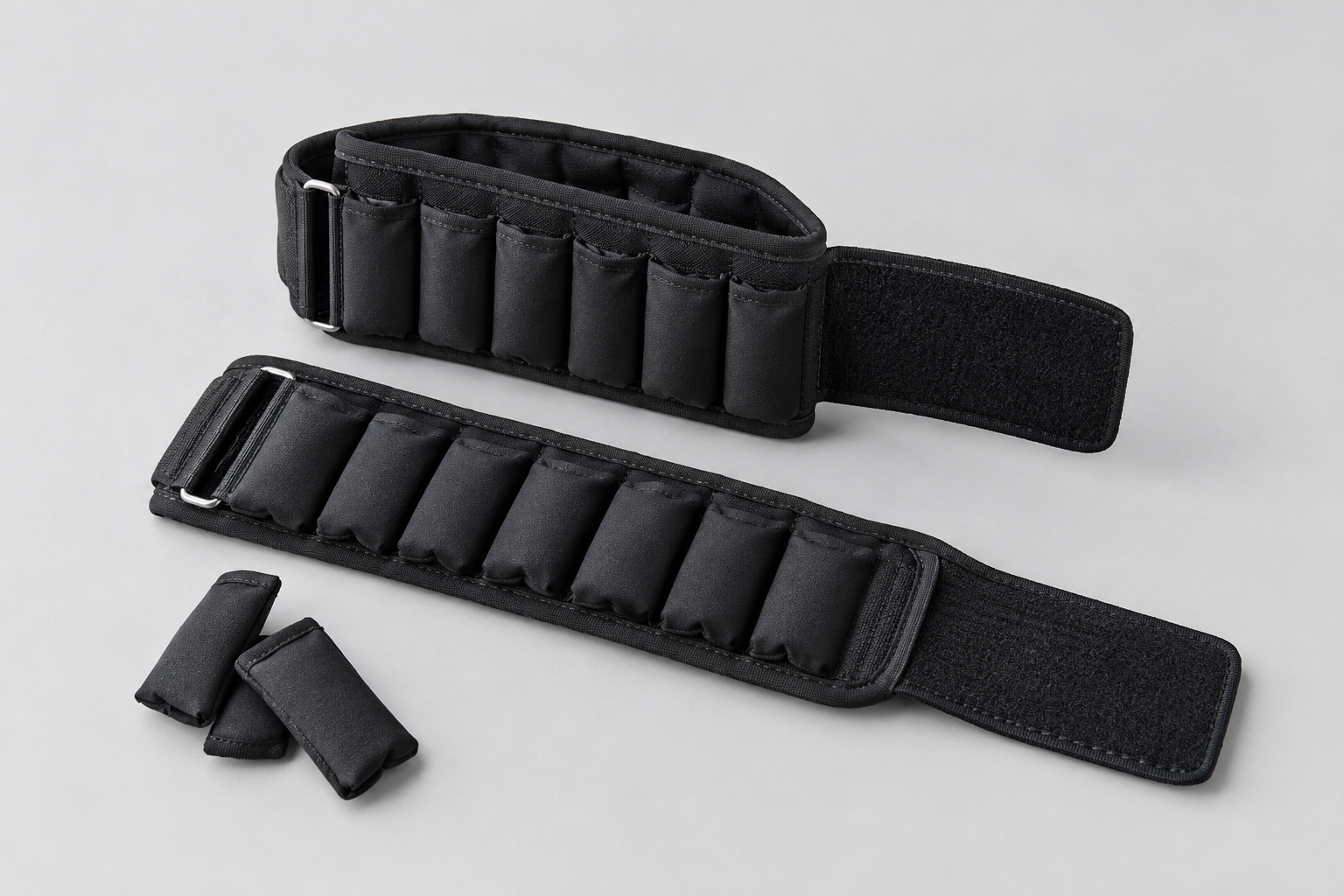
Most apartment strength gear still asks for floor space, a storage spot, or a tolerant downstairs neighbor. Ankle and wrist weights ask for none of it — here's how to pick the right amount of resistance without overloading a joint that wasn't built for it.