Strength Equipment
Best Adjustable Dumbbells for Small Apartments in 2026
Four space-saving adjustable dumbbell sets compared by footprint, feel, weight range, and price for studio and one-bedroom apartments.
Build real strength without giving a whole room to a rack — compact, storable, renter-safe strength gear that earns its corner.
Four space-saving adjustable dumbbell sets compared by footprint, feel, weight range, and price for studio and one-bedroom apartments.
A room-by-room comparison of cost, storage, strength potential, and which one you will actually use.
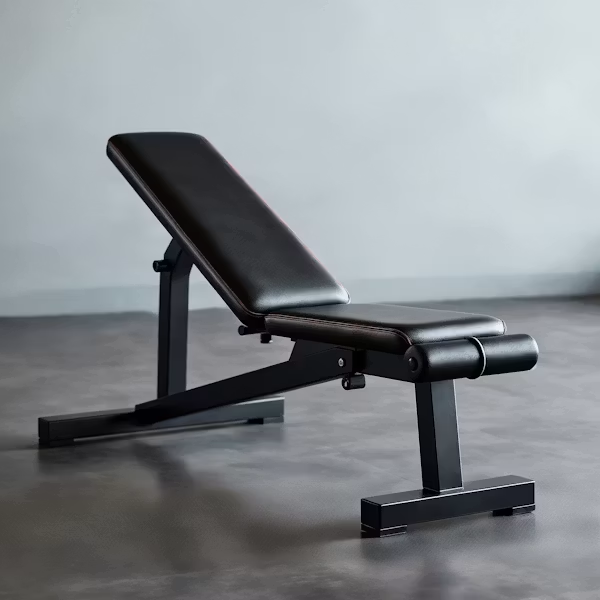
A weight bench used to be the piece of equipment that ruled out a small apartment gym entirely — these fold down small enough to lean behind a door.
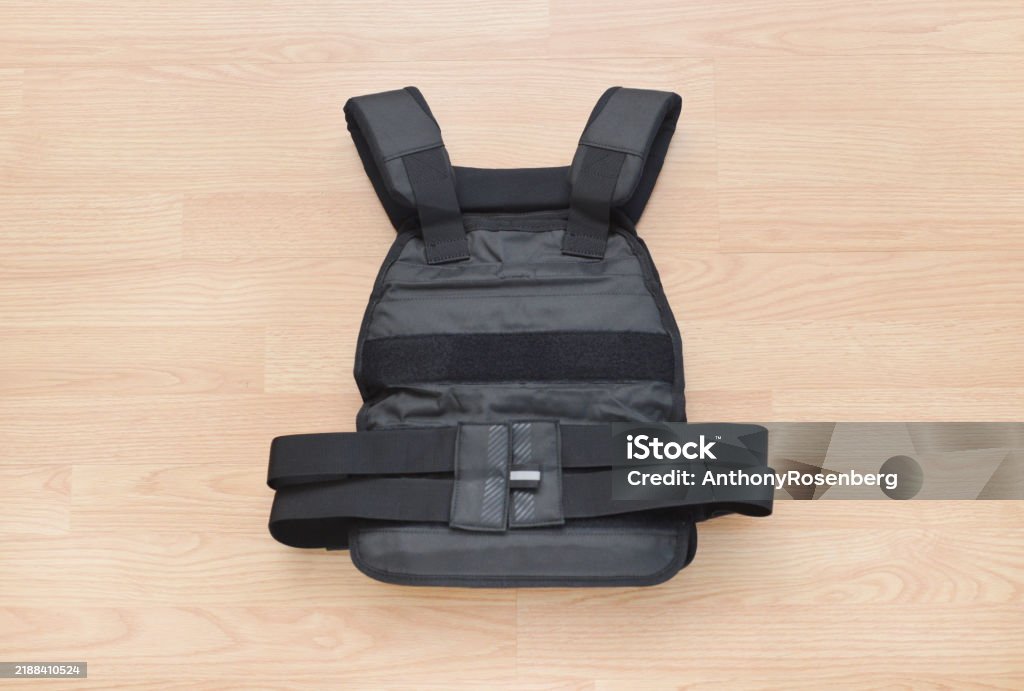
No floor space, no storage spot, no assembly -- a weighted vest adds real resistance to any bodyweight routine and hangs on a single hook when you're done.
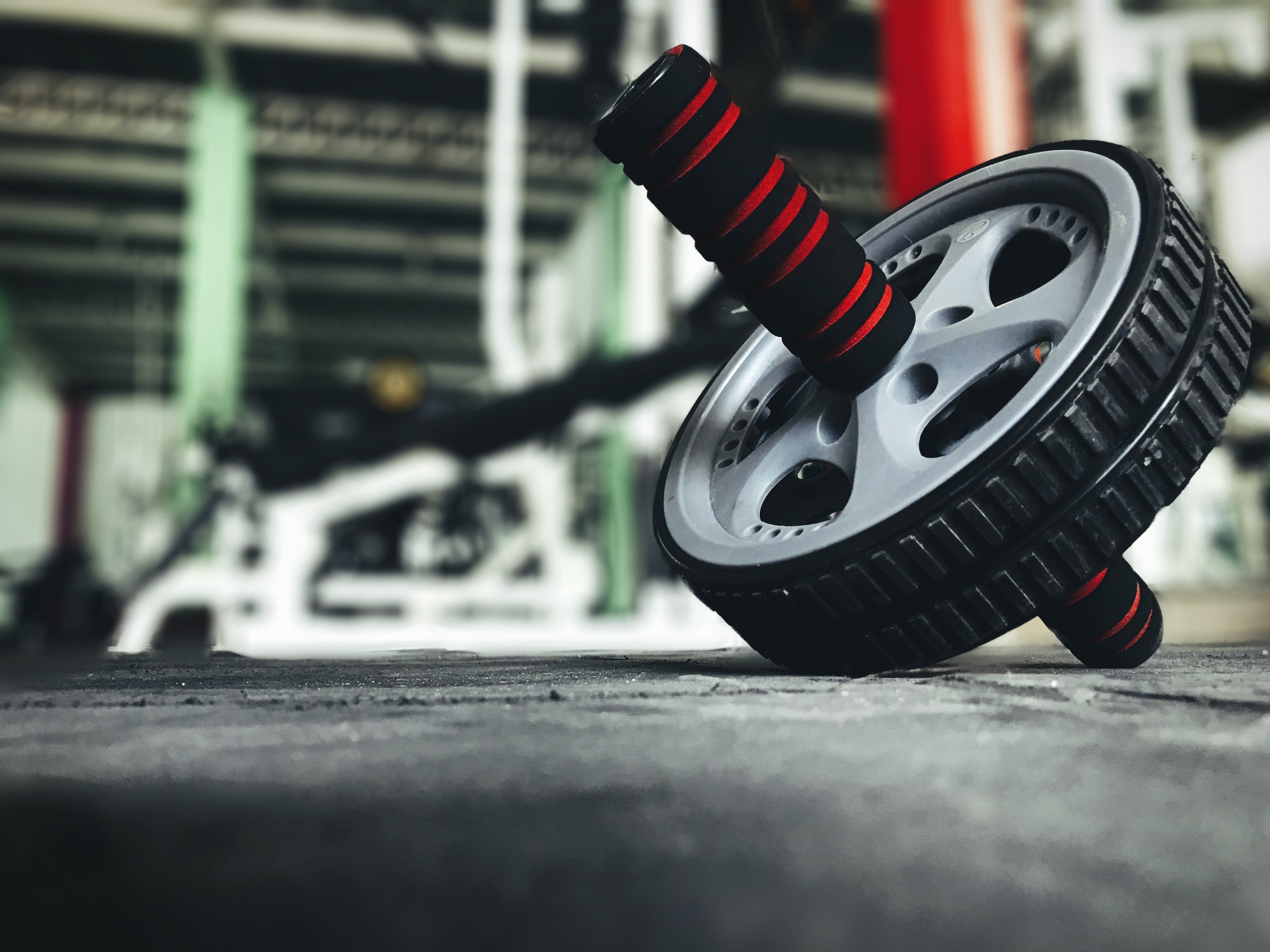
Both cost under $40 and store in a drawer -- the real difference is whether you want a spring assisting your rollback or just your own core doing the work
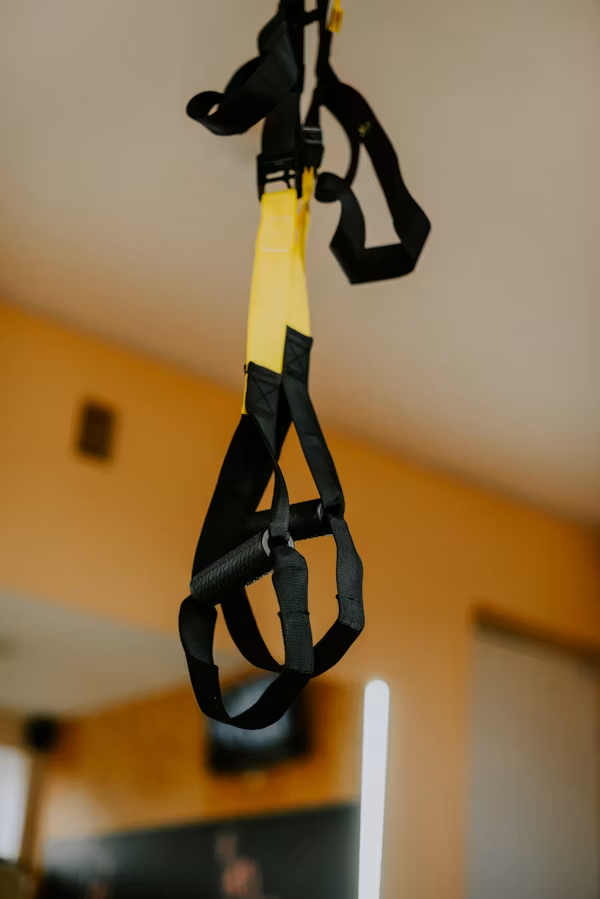
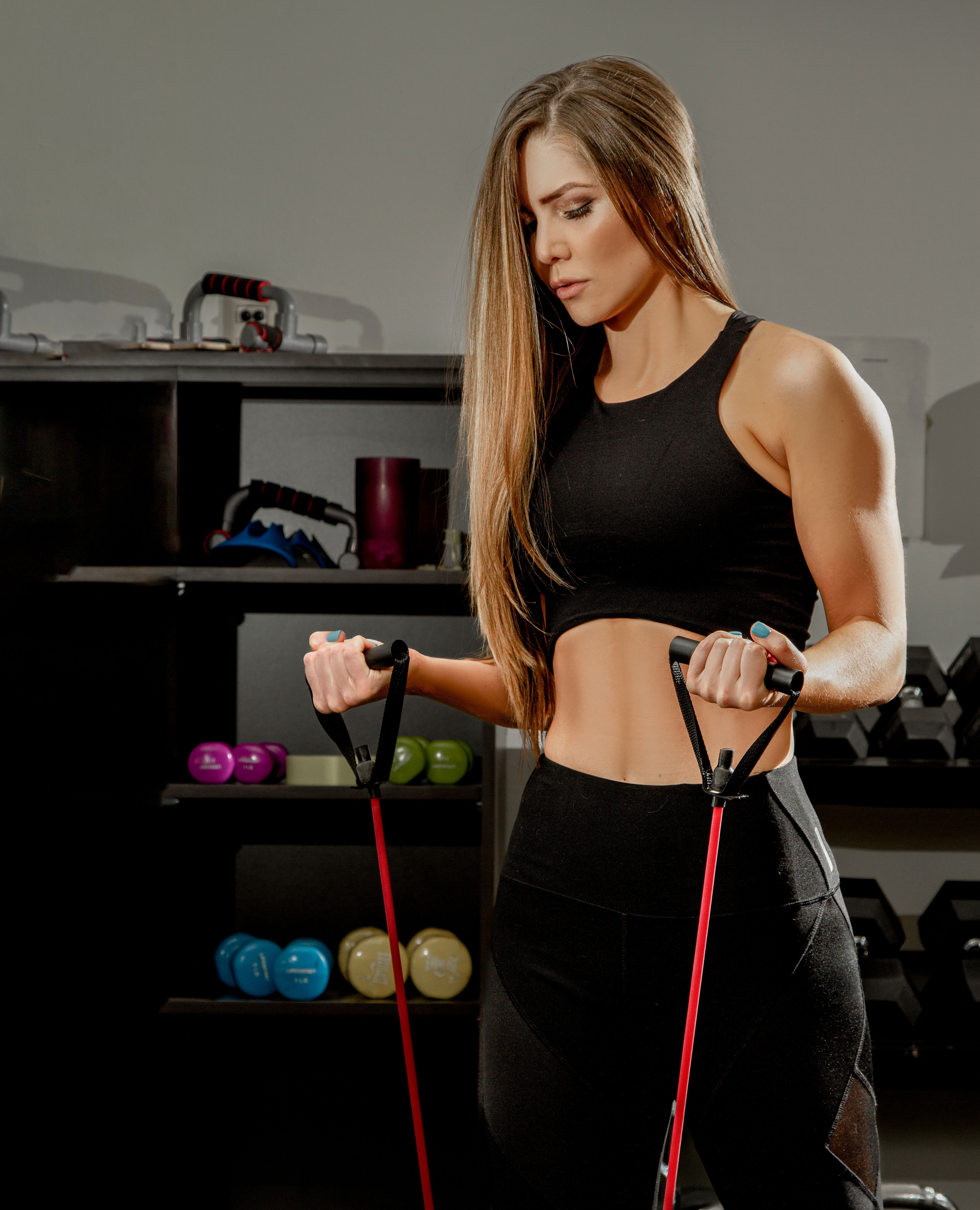
A door and a set of straps is genuinely a full-body gym -- no wall drilling, no floor space, and it packs into a bag smaller than a shoebox
Same size, same weight range, completely different behavior when it hits the ground -- one bounces back, one stays put. That difference matters a lot more in an apartment than it sounds like.
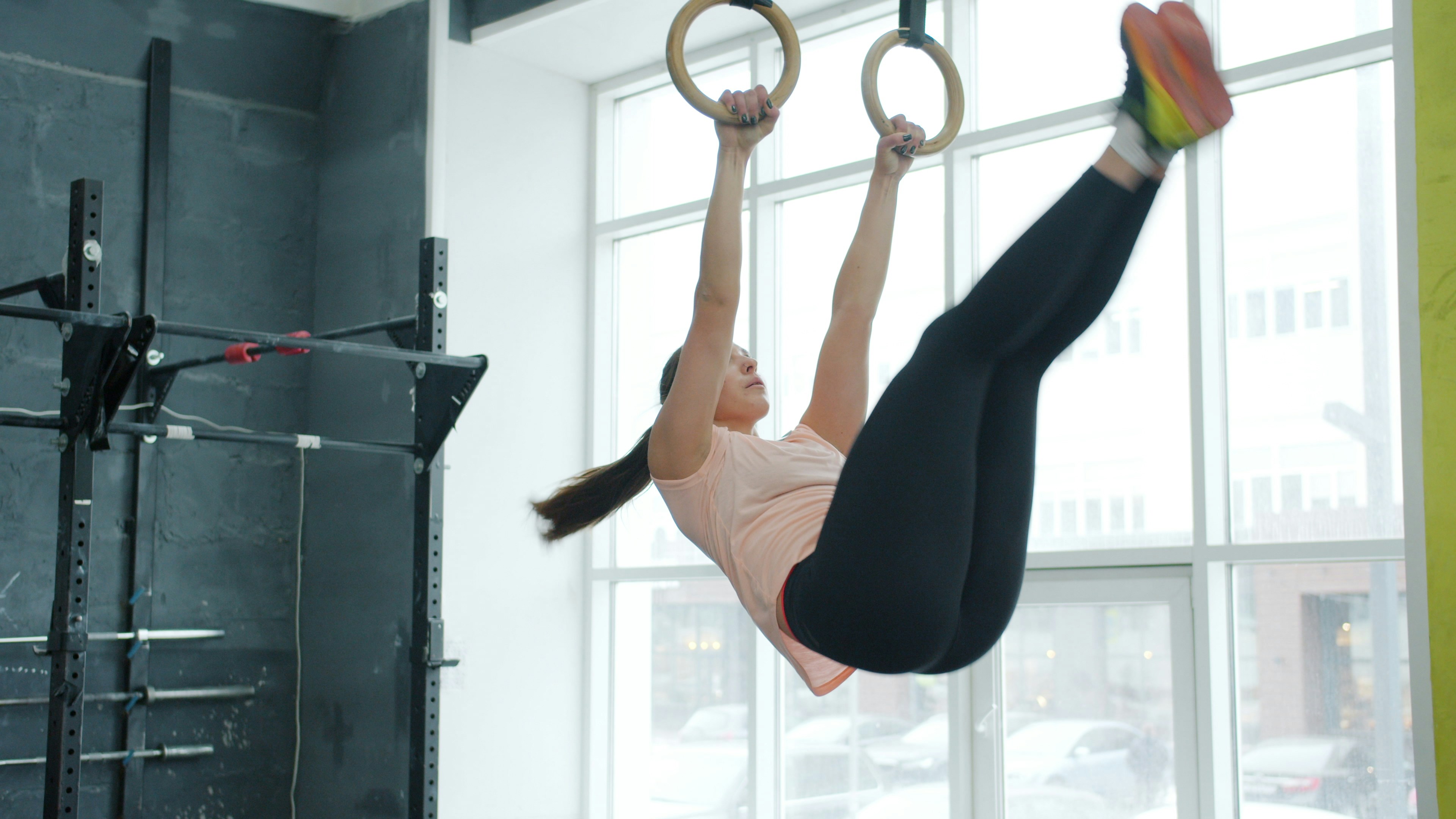
Pairs with a door, a pull-up bar, or nothing but a bag when you travel -- rings turn bodyweight training into something a lot closer to a real gym, without a single permanent fixture.
Empty, it folds flat enough to hang in a closet. Filled, it's one of the most genuinely versatile strength tools you can own -- and unlike dumbbells, the weight shifts as you move, which is exactly the point.
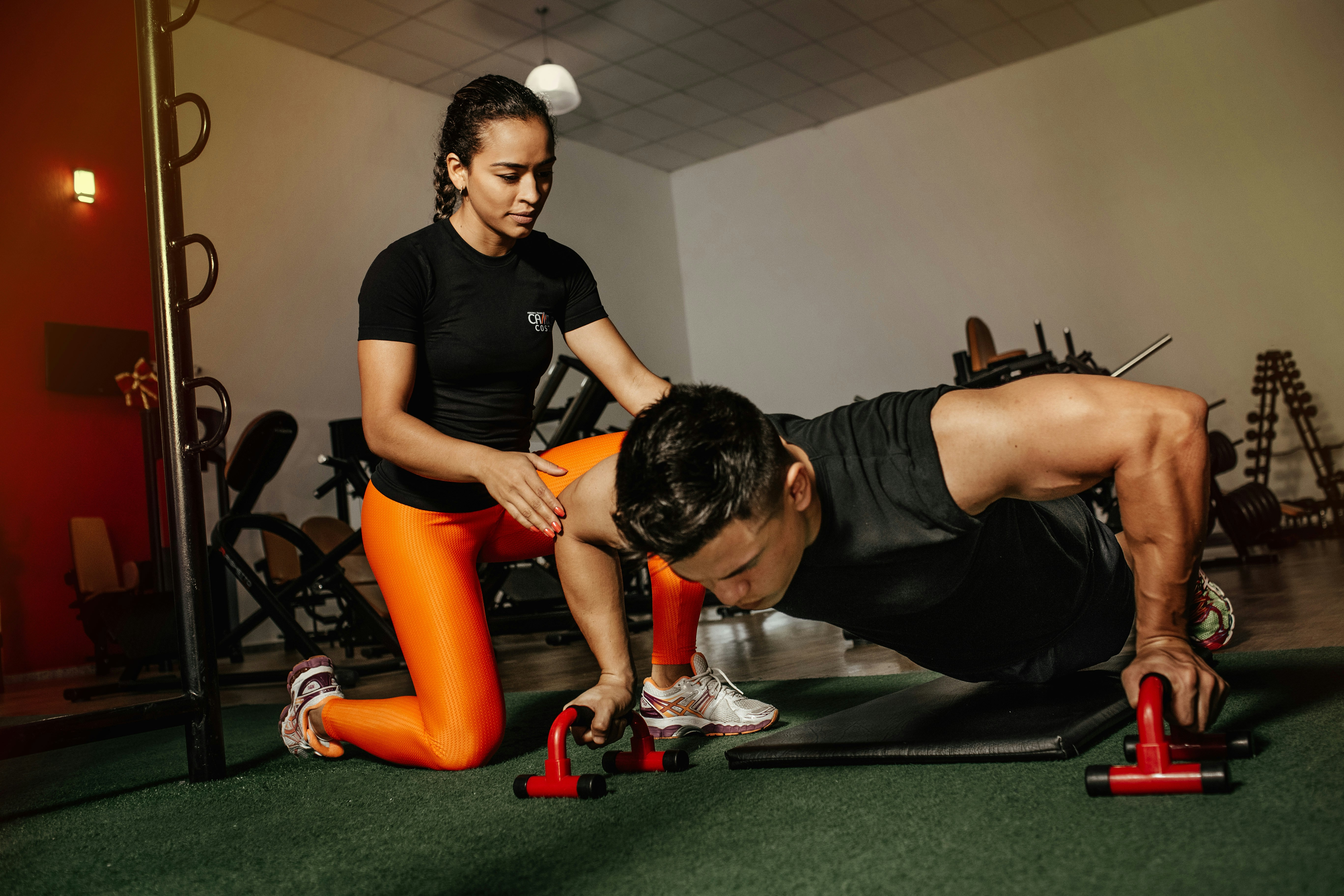
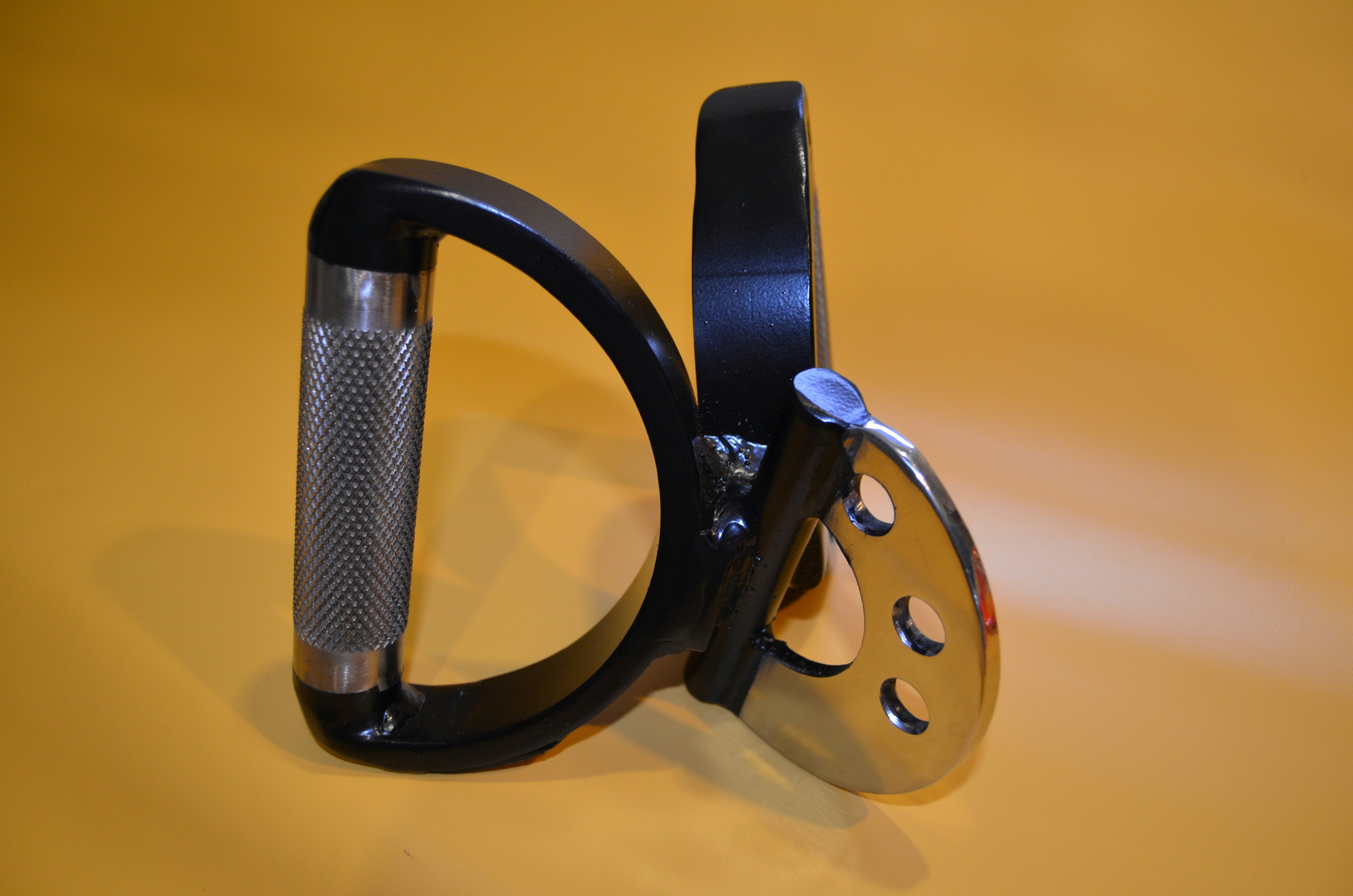
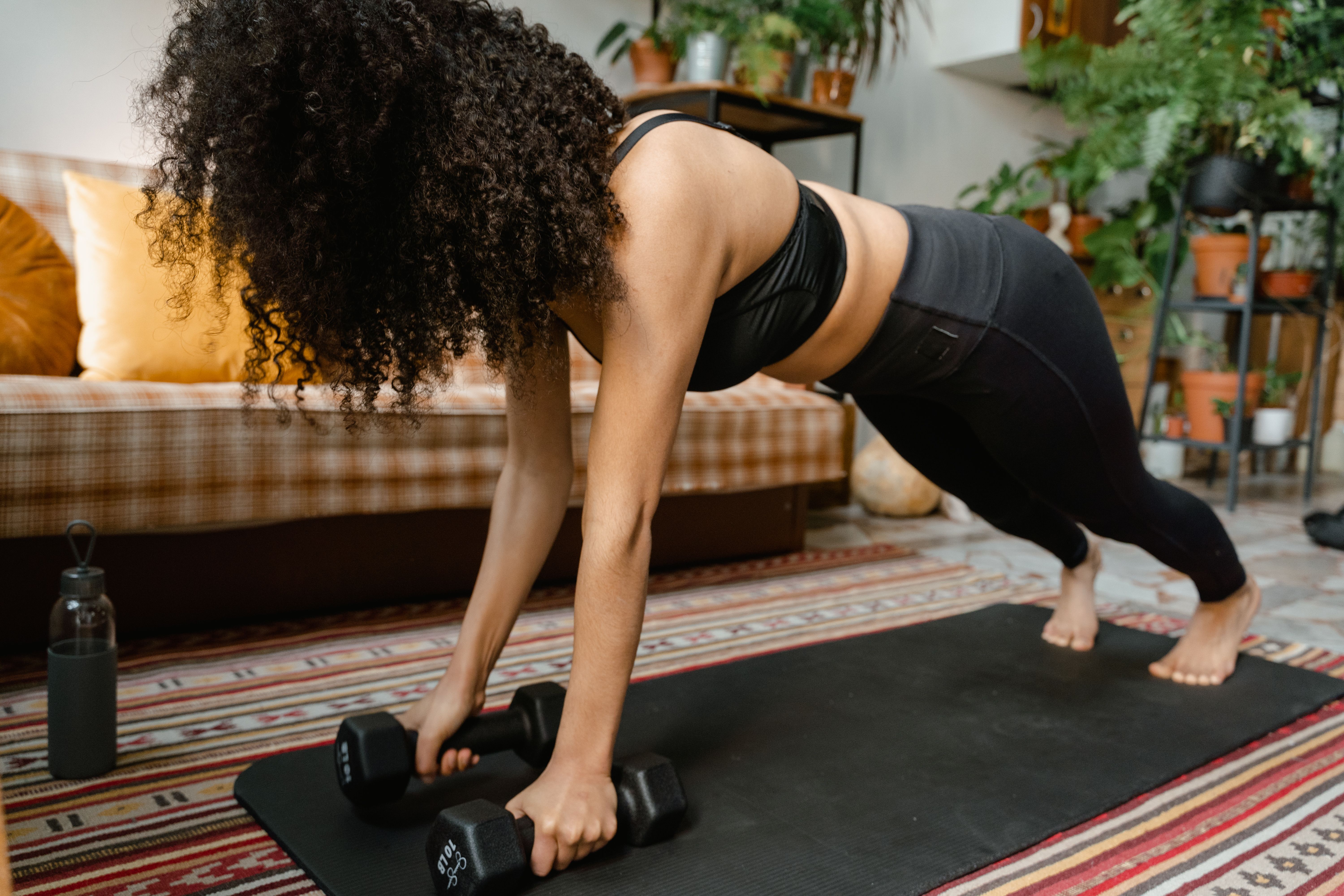
Two small handles that lift your hands a few inches off the ground -- and suddenly push-ups, dips, and L-sits all get a full extra range of motion your floor was blocking.
Fits in a jacket pocket, makes zero noise, and trains a part of your body every other piece of equipment on this site ignores.
Not glamorous, not loud, not going viral -- just a strip of fabric with loops that reaches muscles your hands genuinely can't, and rolls up smaller than a sock.
No gym required, no leg day guilt, just biceps, triceps, and shoulders -- a complete arms routine using gear that already fits in a drawer.
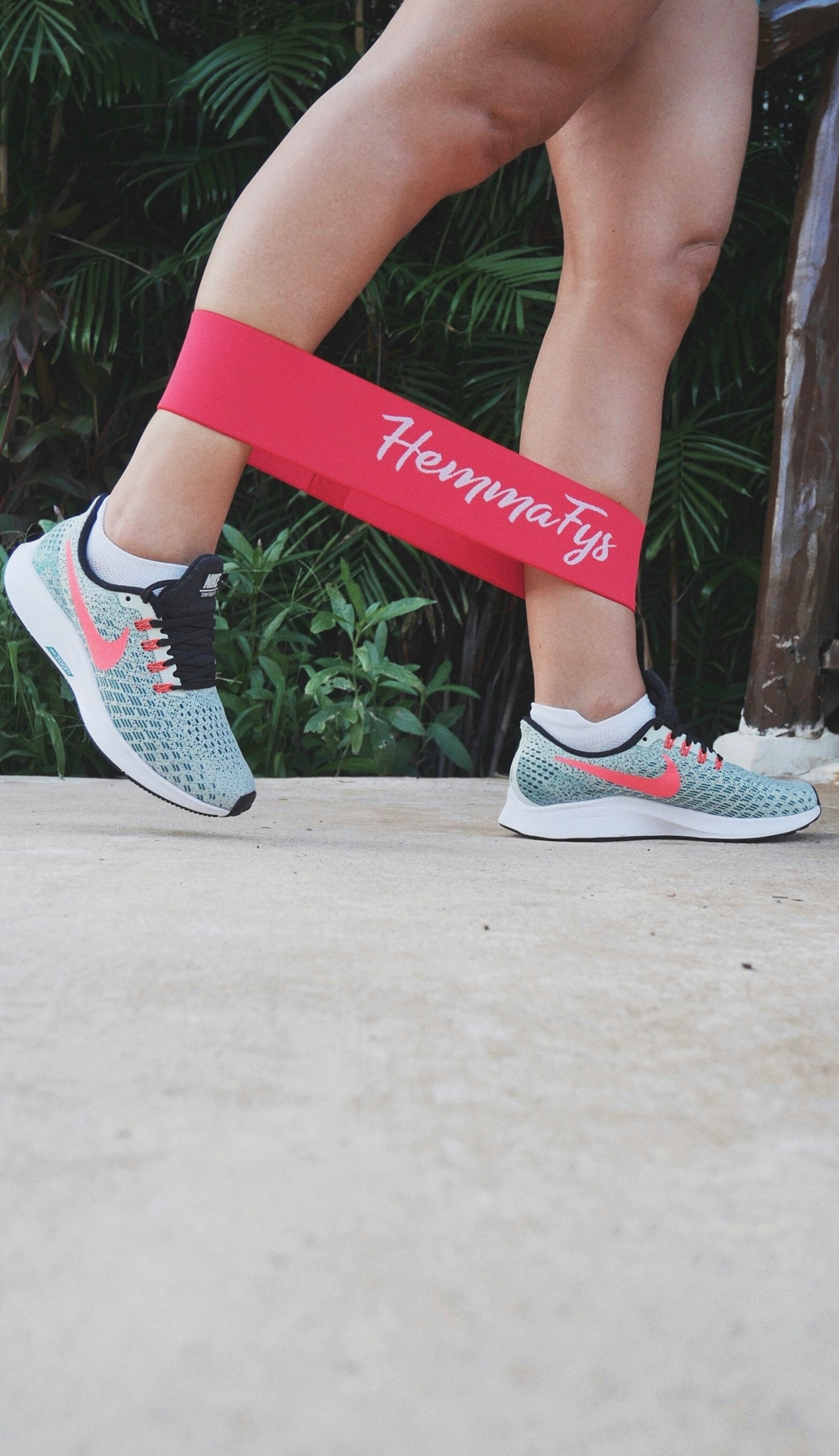
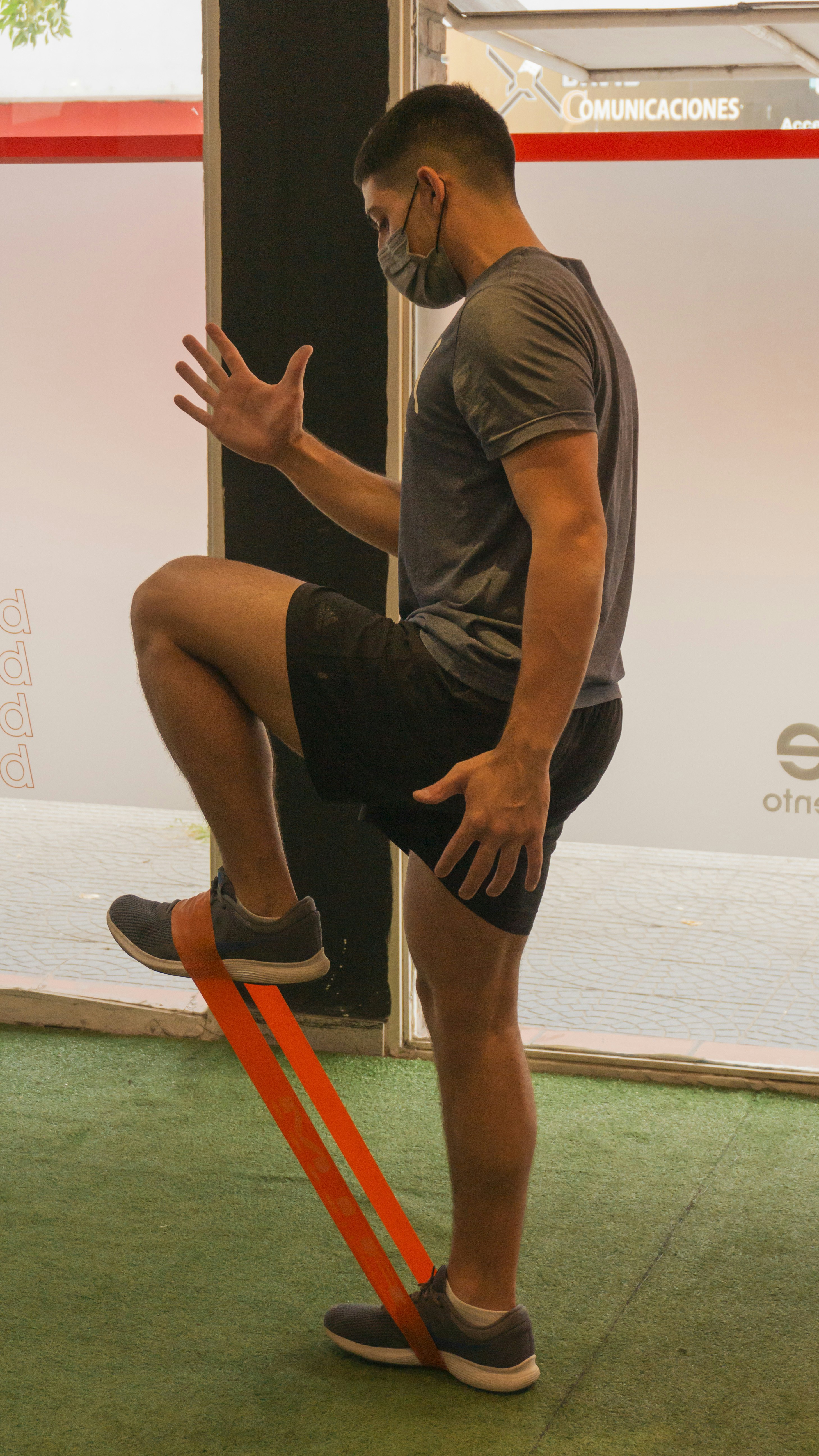
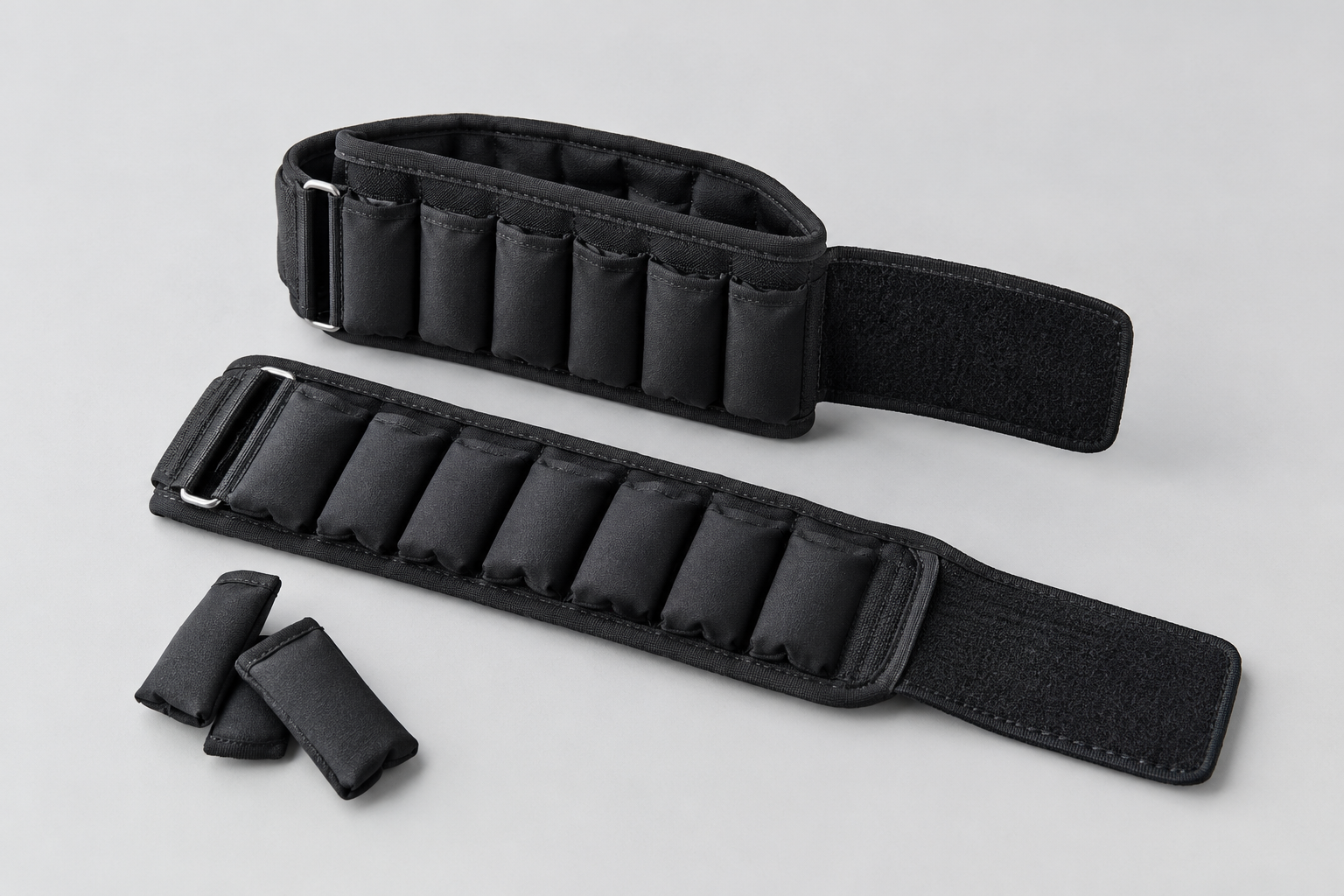
Strap them on, do what you were already doing -- squats, leg lifts, even walking around the apartment -- and every rep suddenly works harder without adding a single piece of bulky equipment.
Tiny enough to live in a pocket, and the difference between your back giving out and your grip giving out first -- straps let the muscles you're actually training do the work
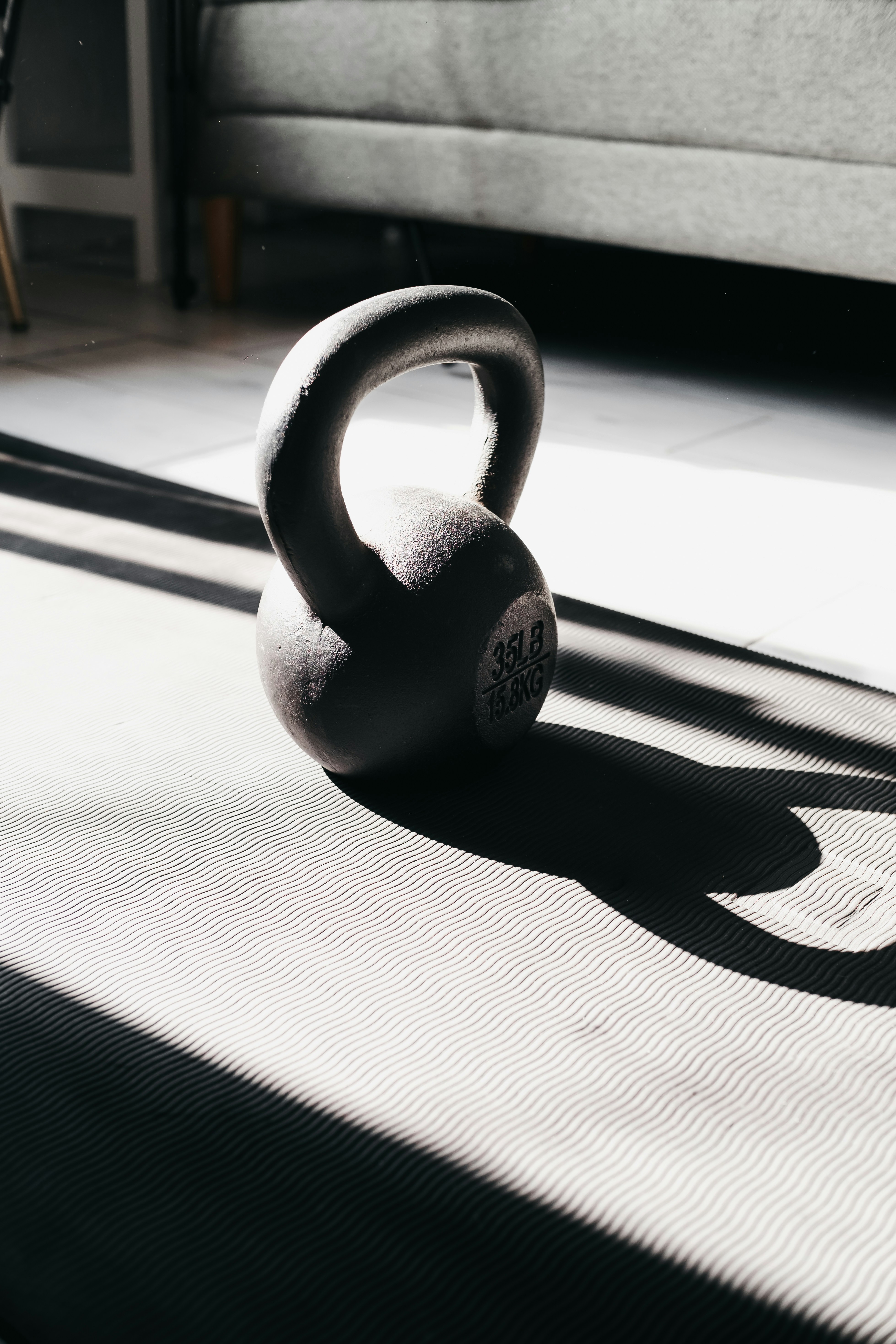
Your balcony is unused floor space with fresh air built in -- a coated kettlebell is the one piece of equipment that genuinely doesn't mind being left out there.
Not the same as the tube bands with handles already covered here -- these wrap around your legs, not your hands, and target a different training goal entirely.
Three days a week, one small equipment list, a real full-body plan -- not just a random collection of exercises, an actual structure you can follow week after week.
Not an arms day — a real upper body day, hitting back, chest, and shoulders with equipment that's already covered on the site.
Once bodyweight pull-ups and dips stop being a challenge, a dip belt is the smallest, cheapest way to keep progressing -- no rack, no bench, just a chain and a plate.
Squats, glutes, calves -- a complete leg day using gear that's already sitting in a drawer, no bench or rack required.
Wraps around your wrist, not around a bar -- the difference from lifting straps already covered here, and why you might genuinely want both.
Completing the trilogy with arms and legs -- a focused core routine using gear that's already covered on this site, no floor space beyond what a plank needs.
Deflated, it fits in a duffel bag. Inflated, it does a version of what a bench does -- with a genuinely different trade-off worth knowing before you buy either one.
No rack, no bench, no bulky footprint -- just a band, a pair of ankle weights, and a set of core sliders, all of which genuinely live in one drawer between sessions.
Honest answer: a real battle rope, probably not. The compact "ropeless" alternatives exist, but the review data on most of them isn't good enough yet to recommend confidently.
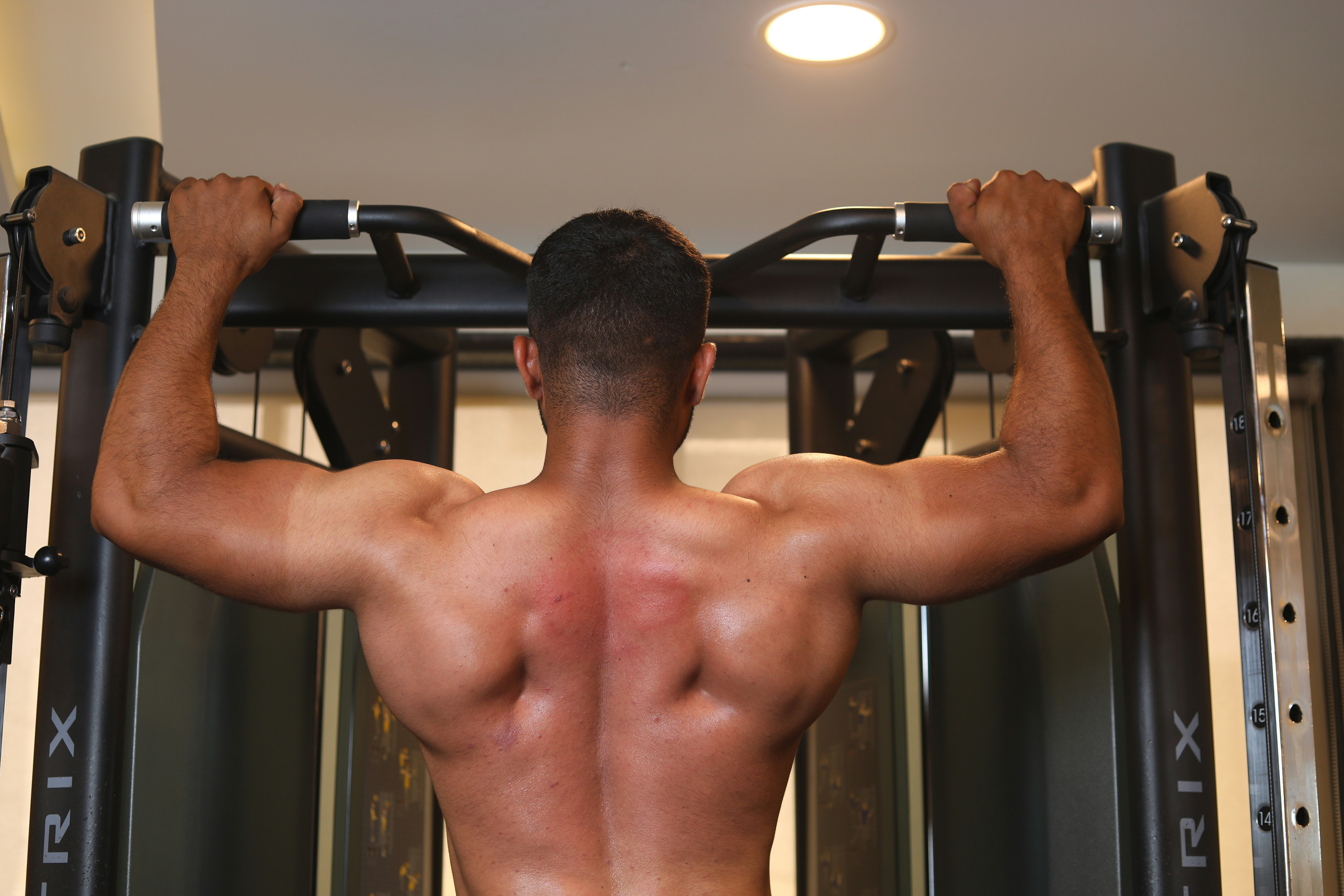
A doorway pull-up bar covers one of the hardest muscle groups to train at home, takes up zero floor space, and needs nothing drilled into a wall you don't own — if your door frame actually fits it.
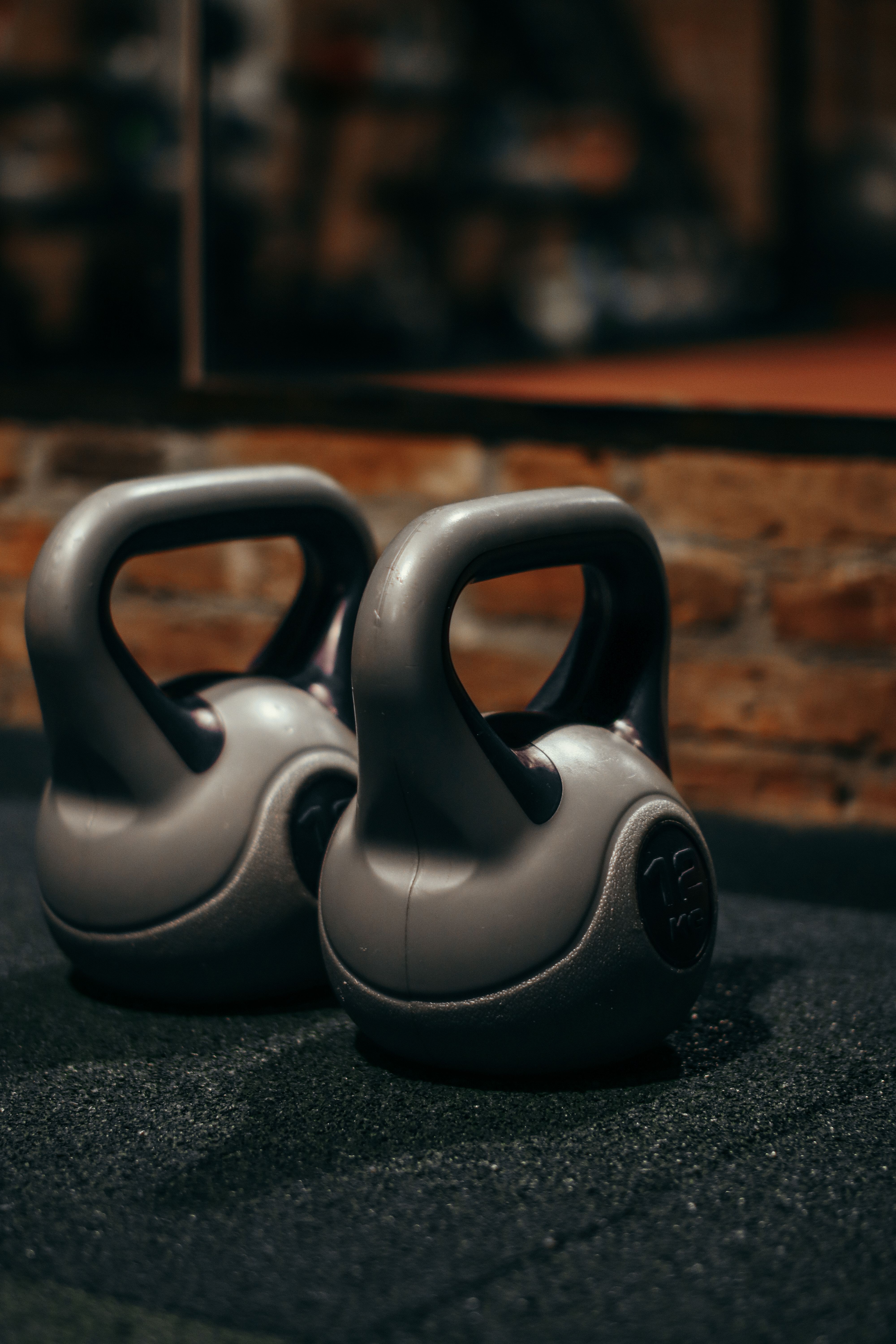
One dial-adjustable kettlebell can replace a whole rack of fixed-weight bells. Here's whether that trade actually makes sense for a small apartment, and which of the two real options is worth the extra cost.
A door anchor turns a plain set of resistance bands into a genuine cable-machine substitute — rows, presses, face pulls, lat pulldowns — with zero drilling and zero floor space.
More weight isn't always the fix, and neither is sticking with the same resistance forever. Here's how to actually tell when you've outgrown your dumbbells, kettlebell, or bands — and when the real problem is your program, not your equipment.
A full power tower adds dips, pull-ups, and core work a door bar can't touch — if your ceiling and floor space can actually take it. Here's the real space math, a compact alternative if they can't, and two picks that clear our rating bar without a disclosed exception.
Most apartment strength gear still asks for floor space, a storage spot, or a tolerant downstairs neighbor. Ankle and wrist weights ask for none of it — here's how to pick the right amount of resistance without overloading a joint that wasn't built for it.