Grip is often the first thing to fail during rows, deadlifts, or pull-ups -- not because your back or legs are done, but because your hands simply can't hold on any longer. Lifting straps close that gap, transferring the load from your fingers to your wrists so the muscles you're actually trying to train get the full rep. They're also about as apartment-friendly as strength accessories get: two thin straps, zero storage footprint, genuinely useful with almost every other piece of equipment already covered on this site.
Quick answer
Gymreapers Lifting Wrist Straps are the well-proven, versatile pick -- 4.8 stars across nearly 800 reviews, padded neoprene wrist support with an 18-inch cotton strap that wraps securely around a bar, dumbbell, or pull-up bar. Gymreapers Weight Lifting Hooks are the faster alternative -- same trusted brand, 4.4 stars, but built for quick clip-on and off between sets rather than wrapping each rep.
Comparison table
| Product | Price | Rating | Style | Best For |
|---|---|---|---|---|
| Gymreapers Lifting Wrist Straps | $15–$20 | 4.8★ (795 reviews) | Wrap-around cotton strap | Maximum grip customization, heavy focused sets |
| Gymreapers Weight Lifting Hooks | $25–$32 | 4.4★ (2,418 reviews) | Quick-clip hook | Supersets, circuits, fast exercise switching |
Details above are editorial summaries and approximate street prices at the time of writing — confirm specifics on each current listing.
Traditional straps vs. hooks -- the real tradeoff
Wrap-style straps like the Gymreapers cotton pair offer more precise, customizable grip -- you control exactly how tight and how many wraps around the bar, which some lifters prefer for maximum security on the heaviest sets. The tradeoff is speed: wrapping and unwrapping between exercises or supersets takes a few extra seconds each time.
Hooks solve that speed problem directly -- clip on, lift, clip off, no wrapping required. They're a genuine time-saver during circuit-style training or supersets, though some lifters find the rigid hook shape slightly less adjustable than a fabric wrap for very specific grip positioning.
Why this matters more than it sounds like
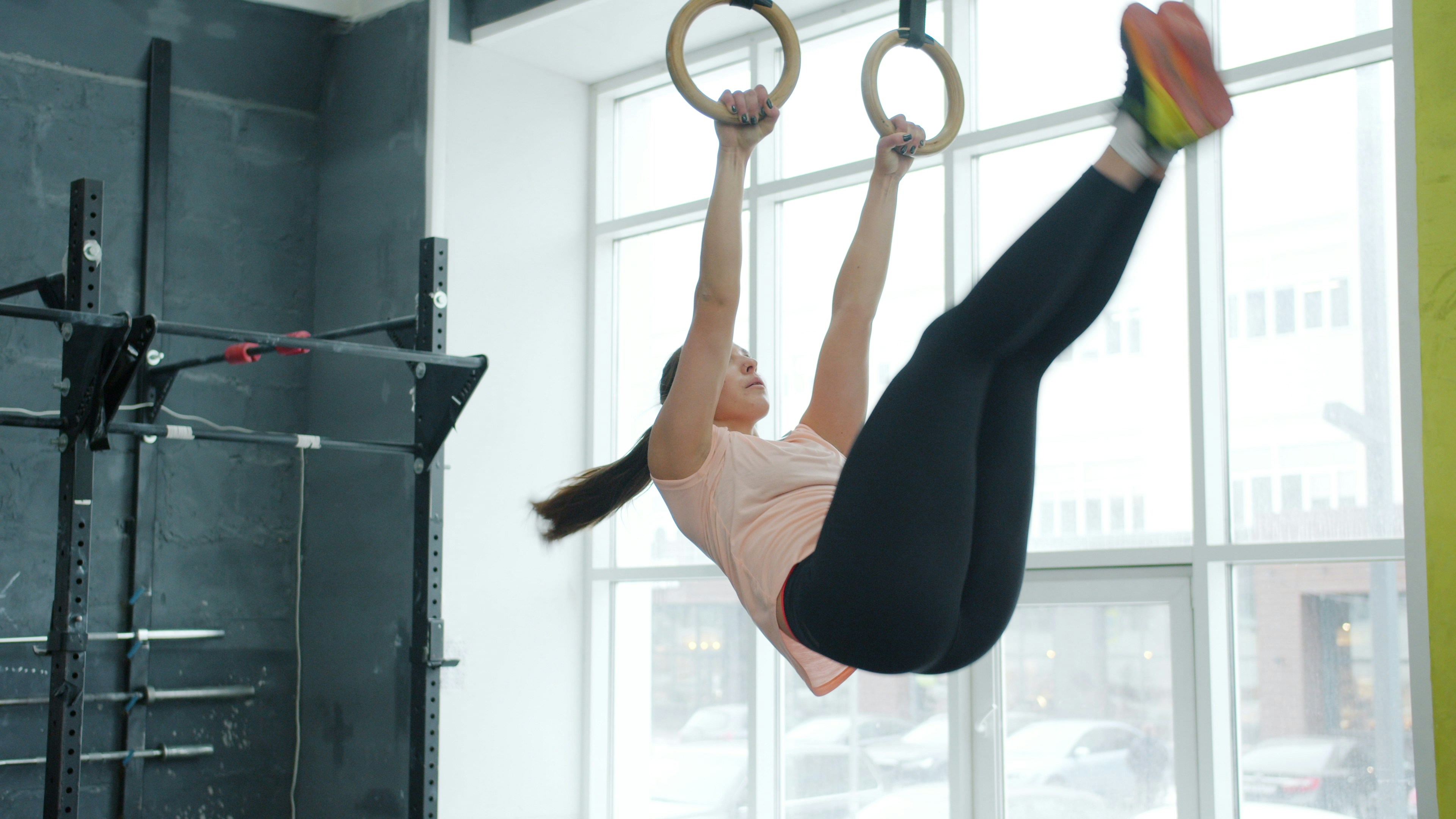
A lot of the equipment already covered on this site -- adjustable dumbbells, a folding bench, a suspension trainer, gymnastic rings -- involves grip-intensive movements where straps genuinely extend how much work the target muscle gets before your hands give out first. This isn't cheating; it's standard practice among serious lifters specifically because grip endurance and back/leg strength develop at different rates, and straps let training catch up evenly across both.
How to choose between the two
If you're doing heavy, focused sets with time to set up each lift properly, traditional wrap straps give you the most secure, adjustable connection. If your routine involves supersets, circuits, or frequent exercise switching, hooks save real time without sacrificing much grip security. Neither requires any storage consideration beyond a small drawer, so it's genuinely a training-style decision rather than a space one.