Best Compact Weighted Vest for Small-Space Strength Training
No floor space, no storage spot, no assembly -- a weighted vest adds real resistance to any bodyweight routine and hangs on a single hook when you're done.
Reviewed by Billy Sadia, a yoga and dance instructor with 15+ years of teaching experience, including 300 hours of training through the Baptiste Institute. Updated November 2026 7 min read
As an Amazon Associate I earn from qualifying purchases. This article contains affiliate links. Read our full disclosure.
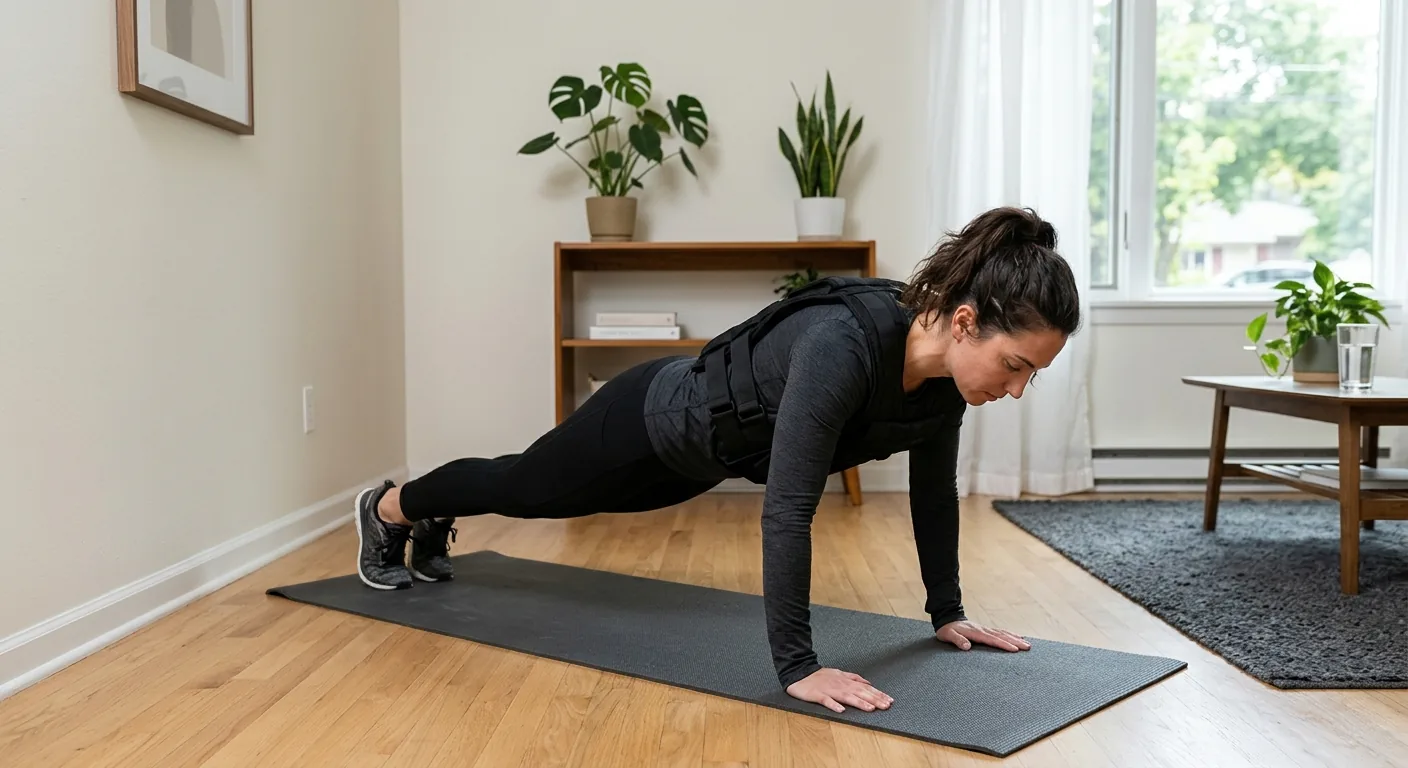
Every piece of equipment on this site so far has needed at least some dedicated space -- a corner, a closet shelf, a spot to lean against a wall. A weighted vest doesn't. It turns push-ups, squats, lunges, and stair climbs into genuine strength work, and when you're done, it hangs on the back of a door like a jacket. For apartments where every square foot matters, this is about as close to zero-footprint strength training gets.
Quick answer
The CAP Barbell 20 lb Adjustable Weighted Vest is the clearest apartment pick -- fully adjustable from 0 to 20 lbs using removable steel-shot weight packets, breathable mesh construction, and genuinely zero storage footprint since it hangs on a hook when not in use. From an established strength training brand with decades of track record, it's a reliable entry point without needing to research obscure options.
Why a weighted vest earns a spot in a small apartment gym
Most strength equipment adds capability by adding bulk -- dumbbells, a bench, a rack. A weighted vest adds resistance without adding a single square foot of permanent storage. It layers directly onto exercises you're likely already doing -- push-ups, squats, lunges, step-ups, even stair climbs in your building -- turning bodyweight training into genuinely progressive strength work as you increase the load over time.
Look for adjustable weight packets rather than a fixed-weight vest -- this lets you start light and progress over weeks or months without buying a second vest. Breathable mesh matters more than it seems, since a vest worn for a full workout without ventilation gets uncomfortable fast. Confirm the weight range covers where you're starting and where you realistically expect to progress -- a 20 lb max is plenty for most bodyweight training, but if you're planning heavier rucking or loaded carries, look for a vest with a higher ceiling.
One practical setup idea, one honest gear recommendation, and useful small-space fitness advice. No motivational shouting.
Questions people ask before making room
Yes -- adding even 10-20 lbs to push-ups, squats, or lunges creates a real, progressive increase in resistance, similar in principle to adding weight to a barbell lift, just applied to bodyweight movements.
Generally yes for moderate weights and typical workout durations, though it's worth starting with lighter loads and shorter sessions to let your body adjust to the added load, particularly on your spine and joints during high-impact movements.
Yes -- many people use weighted vests for walking, stair climbing, or even light jogging to add intensity, though higher-impact cardio with a vest increases joint stress more than strength-focused bodyweight work.
Starting with a small fraction of the vest's total capacity -- often just a few pounds -- and progressing gradually as movements feel comfortable and controlled is a reasonable general approach, adjusting based on individual fitness level.
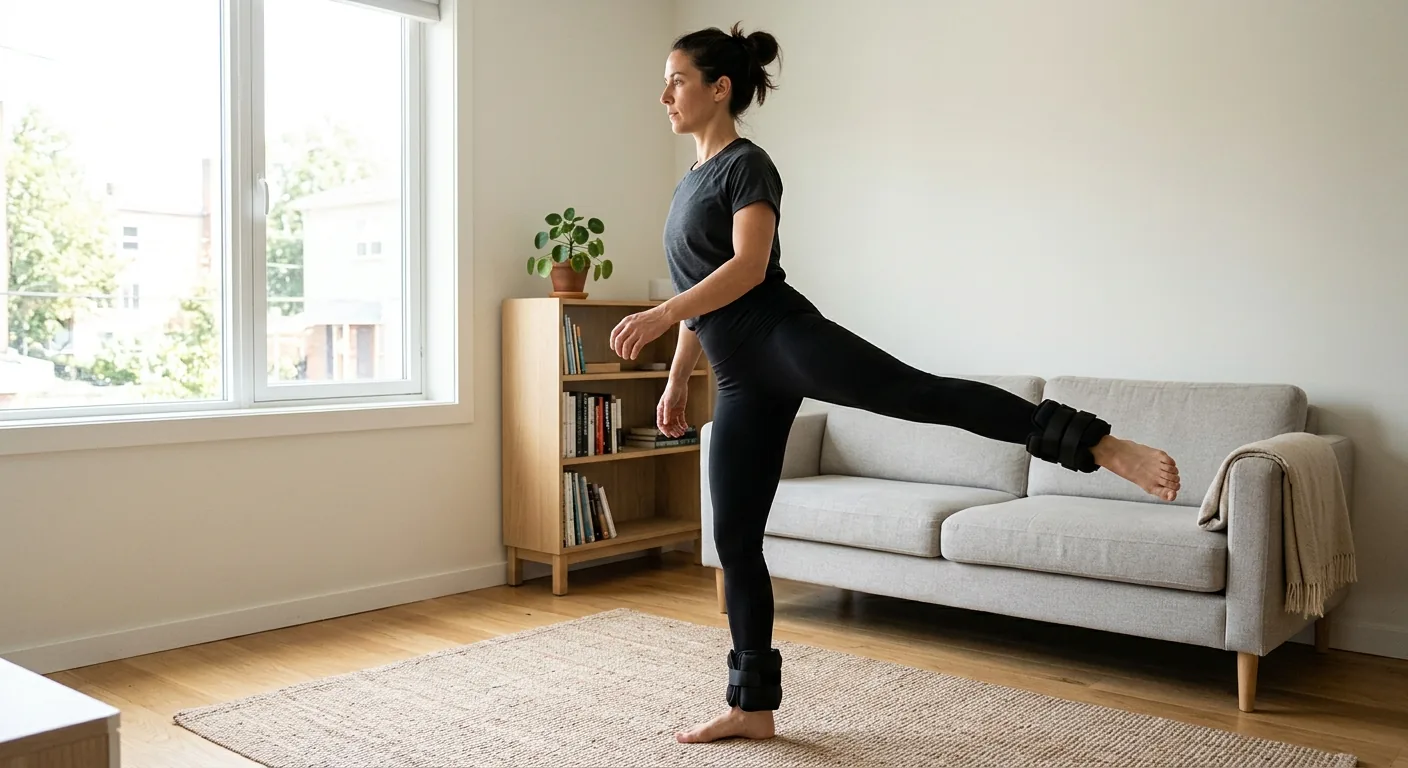
Strap them on, do what you were already doing -- squats, leg lifts, even walking around the apartment -- and every rep suddenly works harder without adding a single piece of bulky equipment.
Pairs with a door, a pull-up bar, or nothing but a bag when you travel -- rings turn bodyweight training into something a lot closer to a real gym, without a single permanent fixture.
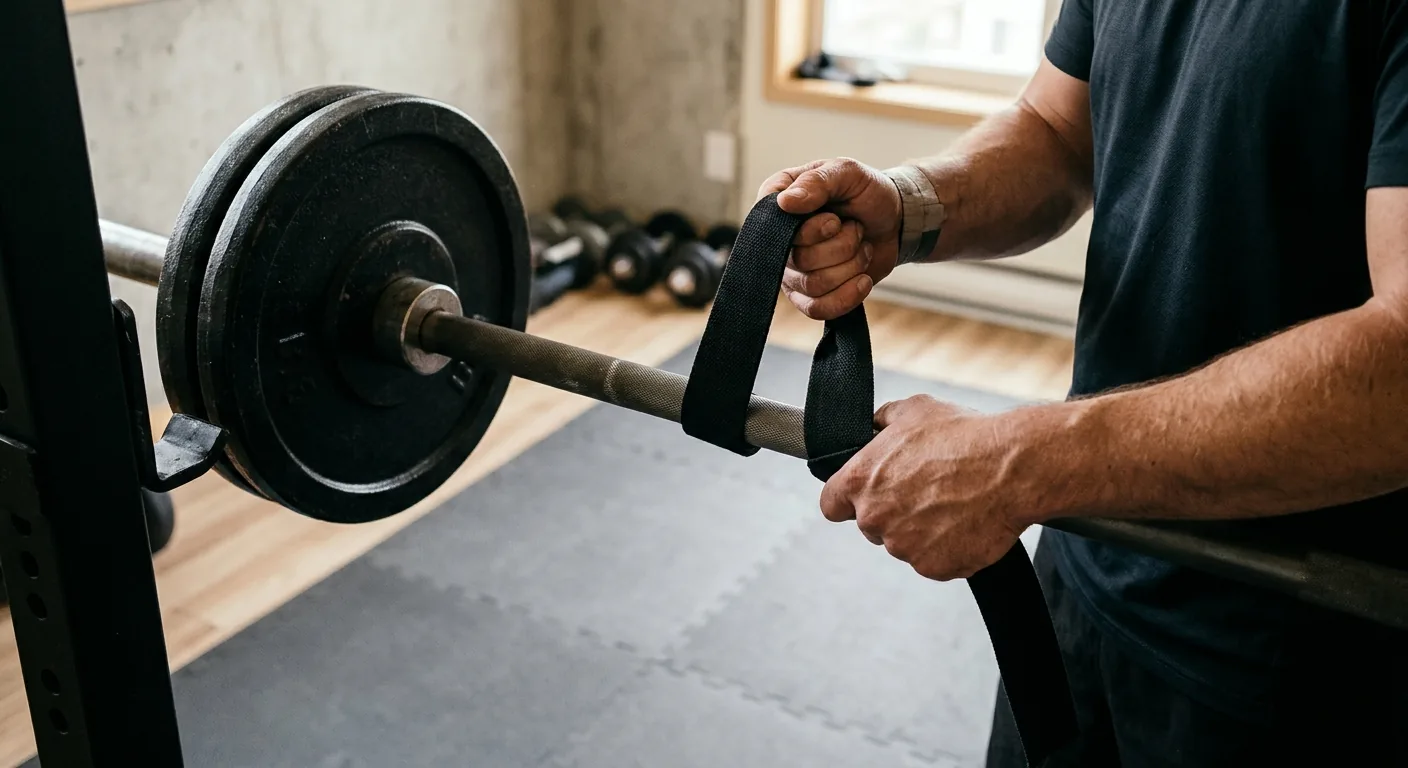
Tiny enough to live in a pocket, and the difference between your back giving out and your grip giving out first -- straps let the muscles you're actually training do the work
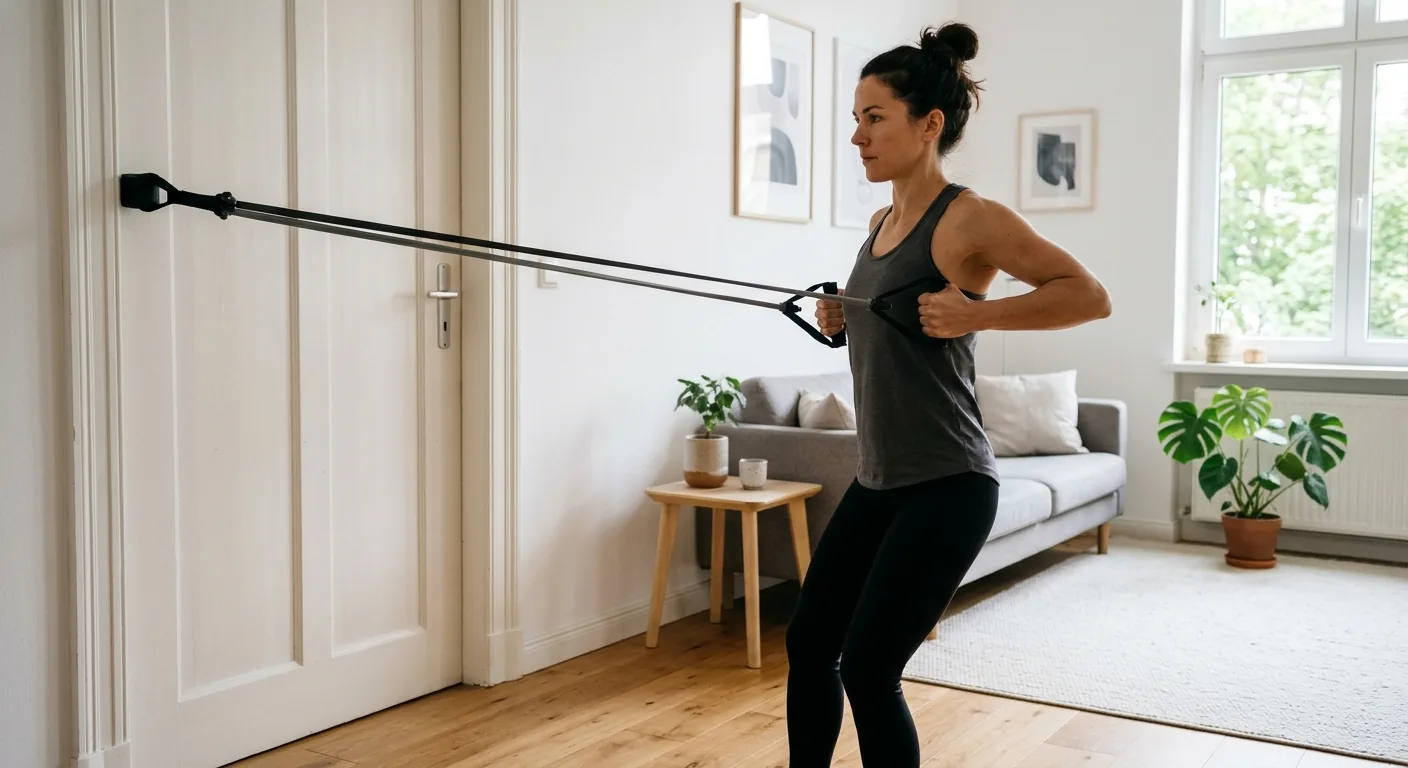
A door anchor turns a plain set of resistance bands into a genuine cable-machine substitute — rows, presses, face pulls, lat pulldowns — with zero drilling and zero floor space.
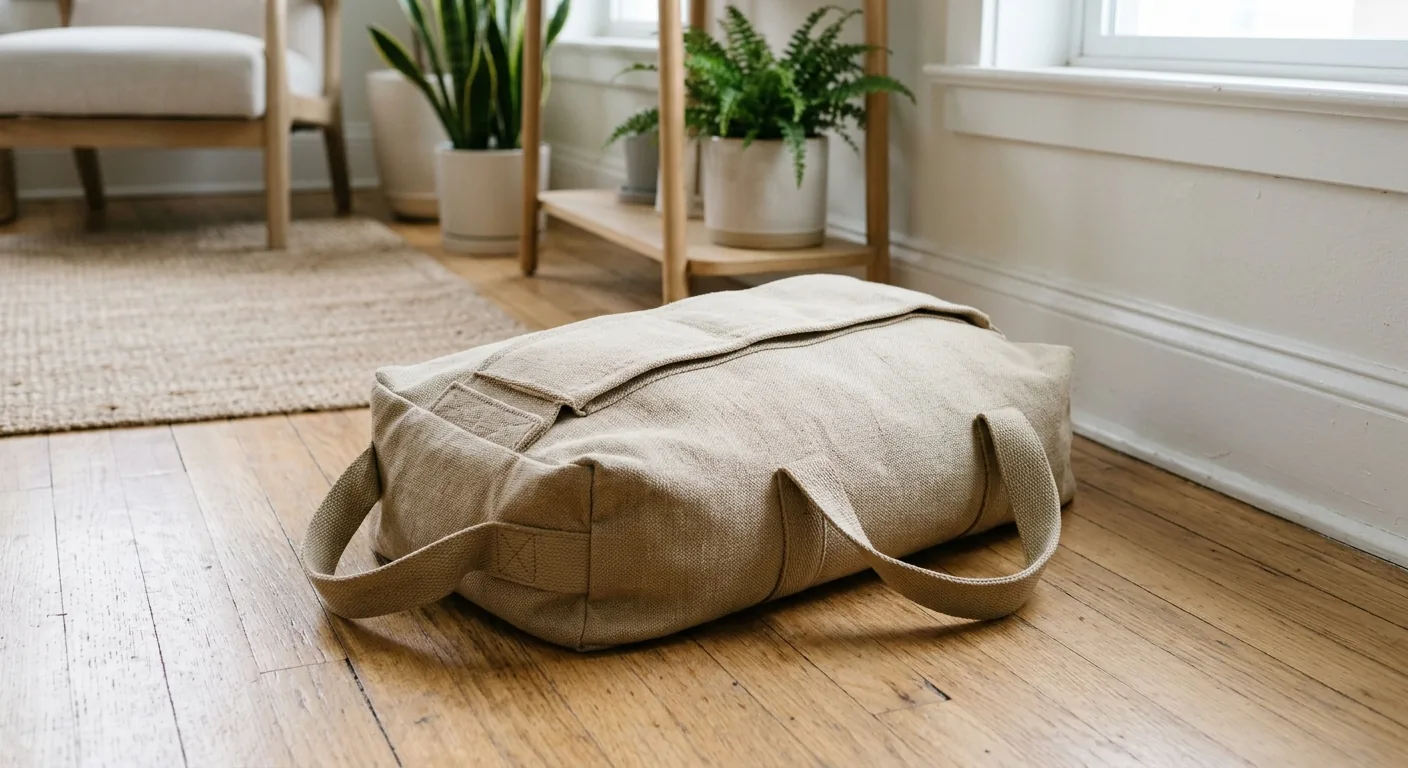
Empty, it folds flat enough to hang in a closet. Filled, it's one of the most genuinely versatile strength tools you can own -- and unlike dumbbells, the weight shifts as you move, which is exactly the point.