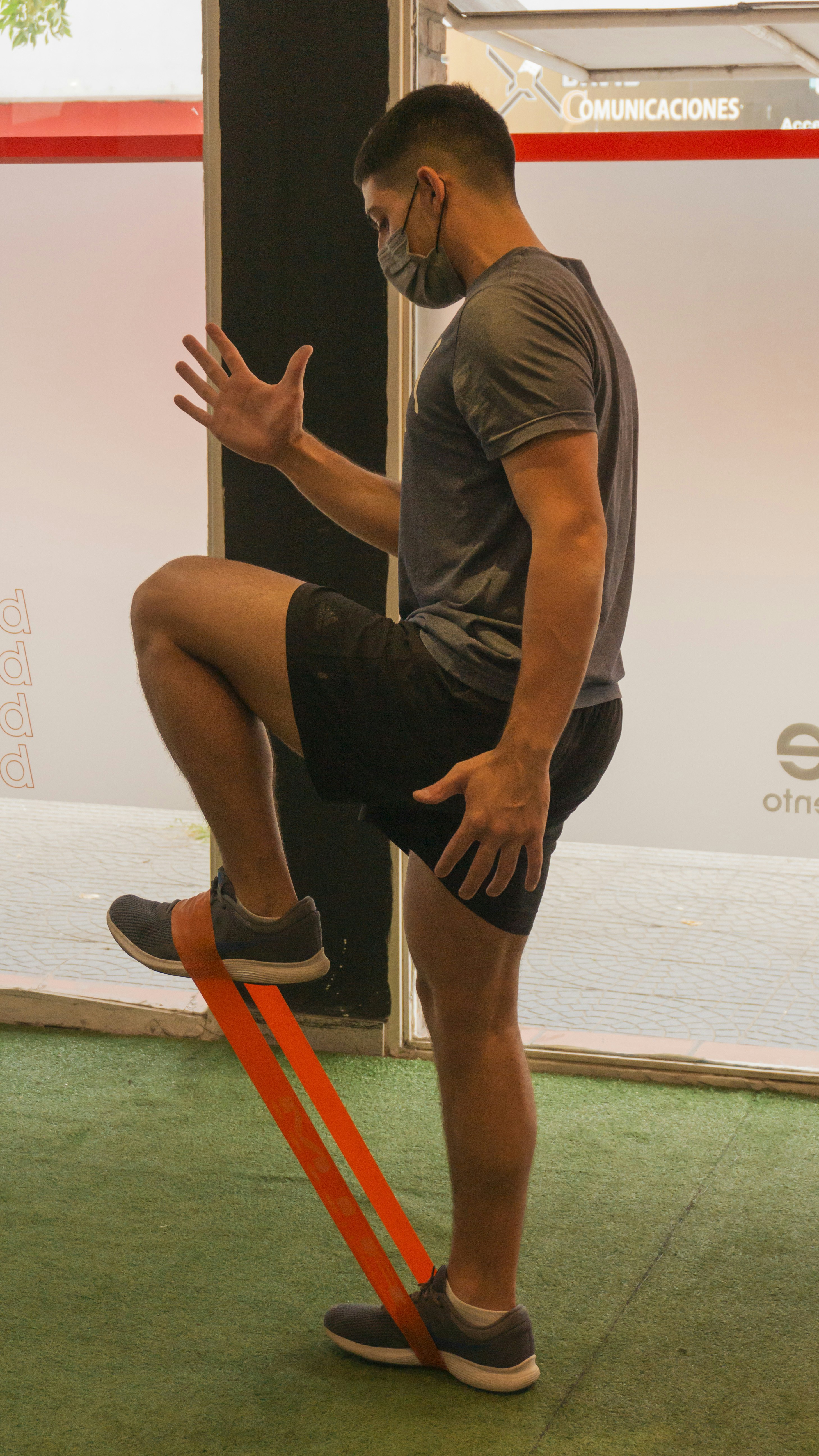
Loop bands solve a specific problem tube bands with handles don't: activating and strengthening glutes and hips through movements like lateral walks, clamshells, and banded squats, where the band needs to wrap around your legs rather than sit in your hands. They're some of the smallest, cheapest equipment on this entire site, and genuinely useful whether you're warming up before a bigger lift or doing a standalone lower-body session.
Quick answer
The Fabric Resistance Bands for Working Out (3-Pack) is a well-reviewed fabric-band pick for glute and leg training -- rated 4.7 out of 5 across 3,552 reviews, with a non-slip fabric construction across three resistance levels. The Fit Simplify Resistance Loop Exercise Bands (Set of 5) is the versatile, extremely well-proven alternative -- rated 4.5 out of 5 across 137,202 reviews and marketed as Amazon's best-selling band in this category, with five graduated latex resistance levels in one set.
Comparison table
| Product | Price | Design | Best For |
|---|---|---|---|
| Fabric Resistance Bands for Working Out, 3-Pack for Legs and Glutes | $19.97 | 3 graduated fabric bands, non-slip | Glute and leg training, grip-focused |
| Fit Simplify Resistance Loop Bands (Set of 5) | $9.98 | 5 graduated latex loop bands | Versatile use across multiple exercise types |
Details above are editorial summaries and approximate street prices at the time of writing — confirm specifics on each current listing.
Fabric 3-pack vs. latex 5-pack: which matters more
The fabric 3-pack and the Fit Simplify latex 5-pack solve the same basic problem -- graduated resistance for legs and glutes -- in different ways. Fabric bands tend to grip skin and clothing better than latex, so they're less likely to roll up or slide down during lateral walks and clamshells, which is the main reason people choose fabric over latex for leg-specific work. The tradeoff is fewer resistance levels -- three bands instead of five -- and a narrower focus; these aren't really built for ankle mobility or upper-body assistance work the way a thinner latex set is. Fit Simplify's five graduated latex bands cover more resistance range and more exercise types, at the cost of the grip and comfort fabric offers for leg-focused movements.
How this differs from the tube bands already covered on this site
The resistance bands with handles covered in our bands vs. dumbbells guide are built for hand-gripped exercises -- curls, presses, rows. Loop bands wrap around legs, ankles, or knees instead, which is a fundamentally different exercise category. Many apartment gyms genuinely benefit from having both types, since they cover different movement patterns rather than duplicating each other.
How to choose between the two
If grip and comfort during leg-focused movements matter most -- bands that won't roll up mid-set -- the fabric 3-pack is the better fit, even with fewer resistance levels to choose from. If you want one purchase covering the widest range of exercises and resistance levels, from ankle work to upper-body assistance, Fit Simplify's five-band latex set gives you more versatility and by far the deeper review history to back it.