Battle ropes look like exactly the kind of intense, satisfying workout equipment that would translate well to a small space -- until you check the actual specs. A real battle rope is typically 30 to 50 feet long and needs a secure anchor point, which rules out almost every apartment layout before you've even started. Here's the honest picture, including why the "solution" to this problem isn't quite there yet.
The actual space problem
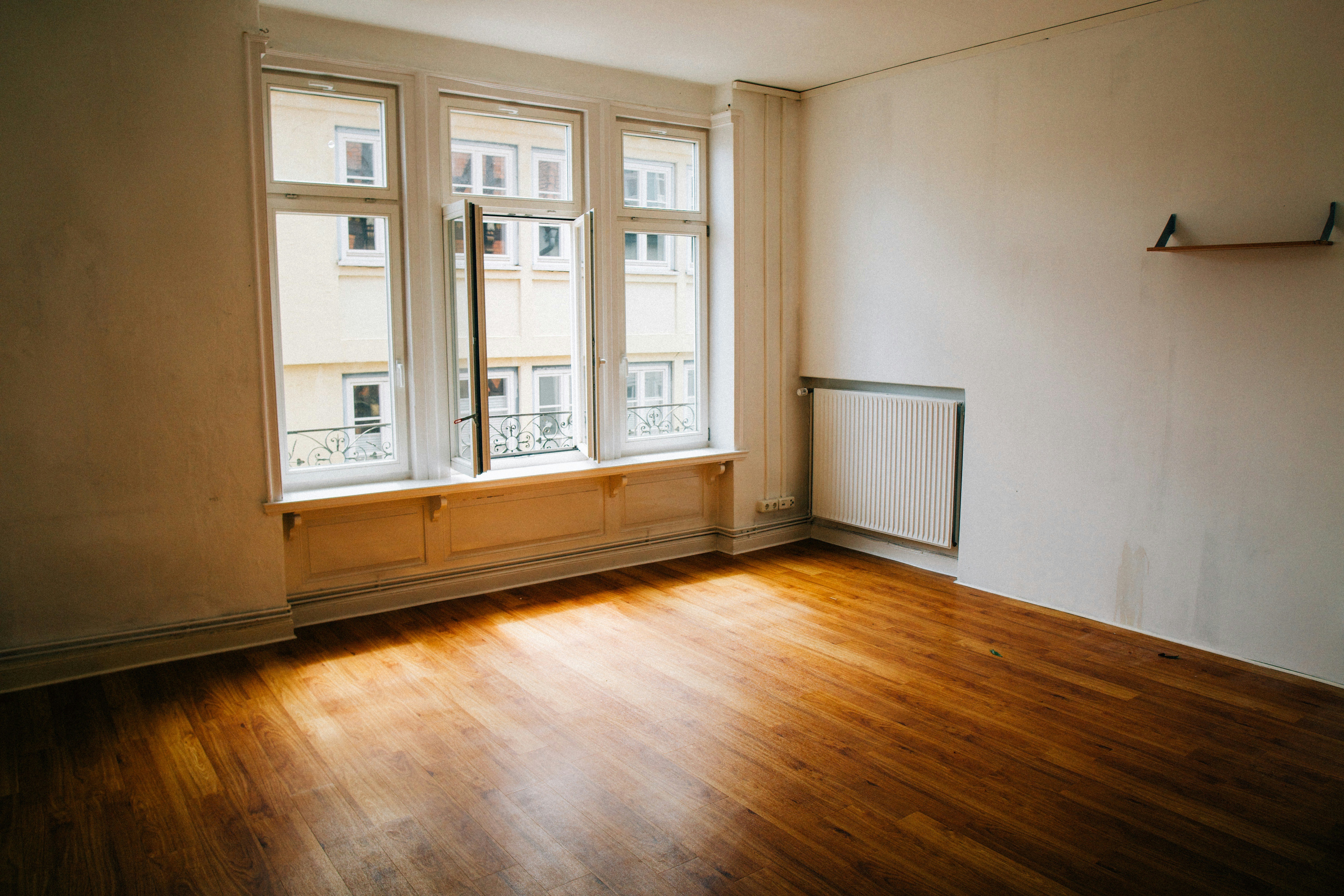
A standard battle rope runs 30 to 50 feet, folded in half around an anchor point, which means you're actually waving roughly 15 to 25 feet of rope during use. That's a full room's worth of clear floor space in most apartments, before accounting for the anchor itself, which typically needs to be bolted to something sturdy. This isn't a "foldable" or "compact" situation the way most equipment on this site can be -- the length is the entire point of the tool, so shrinking it changes what it actually does.
- A standard battle rope runs 30-50 ft total, which still means waving roughly 15-25 ft of rope once it's folded around an anchor
- That's close to a full room's worth of clear floor space in most apartments, before counting the anchor point itself
- Unlike most gear on this site, a battle rope's length is the entire point of the tool -- there's no "compact" or "foldable" version that does the same job
What "ropeless" battle rope trainers actually are
A newer product category exists specifically marketed as a solution -- compact, handle-based trainers that simulate the waving motion of a battle rope using short cables or resistance elements, with no anchor point or long rope required. On paper, this solves the apartment problem directly.
- Compact, handle-based trainers that simulate the battle-rope waving motion using short cables or resistance elements
- No anchor point and no 30+ foot rope required -- designed specifically to solve the apartment space problem
- A newer category, not yet as proven as the established equipment types covered elsewhere on this site
Why we're not recommending a specific one yet
Being honest about the current state of this category: most ropeless battle rope trainers we found have very thin review histories, often single digits to low double digits, and a wide spread in quality signals -- some genuinely positive, others clearly disappointing. That's not enough data to confidently recommend a specific model the way we can for more established product categories elsewhere on this site. This is a category worth revisiting once a clear, well-reviewed leader emerges.
- Most ropeless battle rope trainers we found have thin review histories -- often single digits to low double digits
- Quality signals are mixed: some genuinely positive, others clearly disappointing, with no clear leader yet
- Worth revisiting once a specific model builds a real review history, the same bar this site applies everywhere else
What actually delivers a similar training effect right now
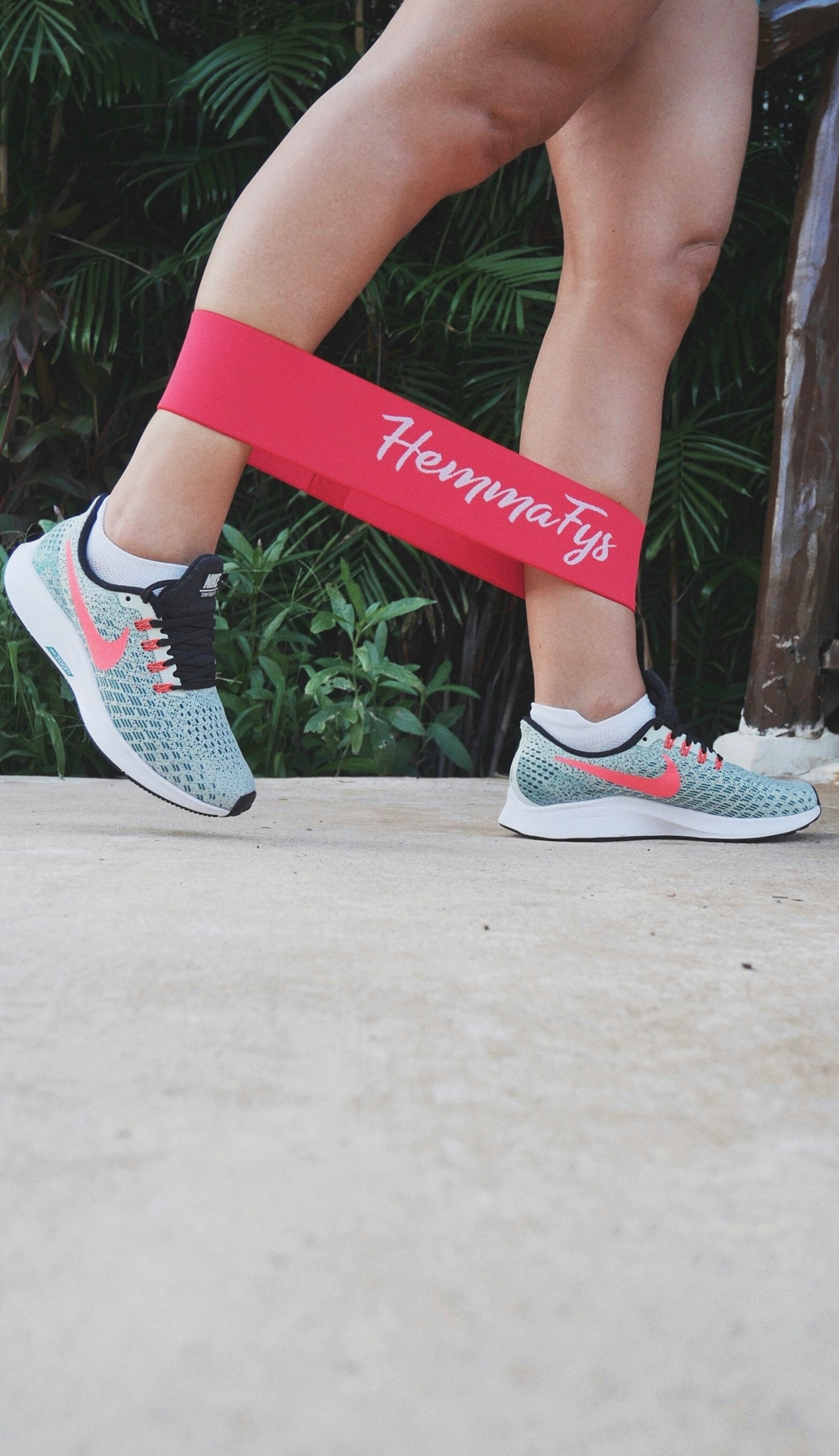
Resistance bands, covered in our dedicated guide, can replicate a meaningful amount of the shoulder and core engagement battle ropes target, particularly with fast, rhythmic movements. A sandbag, also covered separately, delivers a comparable full-body conditioning stimulus in a genuinely apartment-sized footprint. Neither is a perfect substitute for the specific waving motion of a battle rope, but both are well-reviewed, apartment-appropriate options that deliver a similar training effect without the space problem.
- Resistance bands: fast, rhythmic movements replicate a meaningful amount of the shoulder and core engagement battle ropes target
- A sandbag: comparable full-body conditioning stimulus, in a genuinely apartment-sized footprint
- Neither perfectly replicates the specific waving motion of a battle rope, but both are well-reviewed, apartment-tested picks on this site