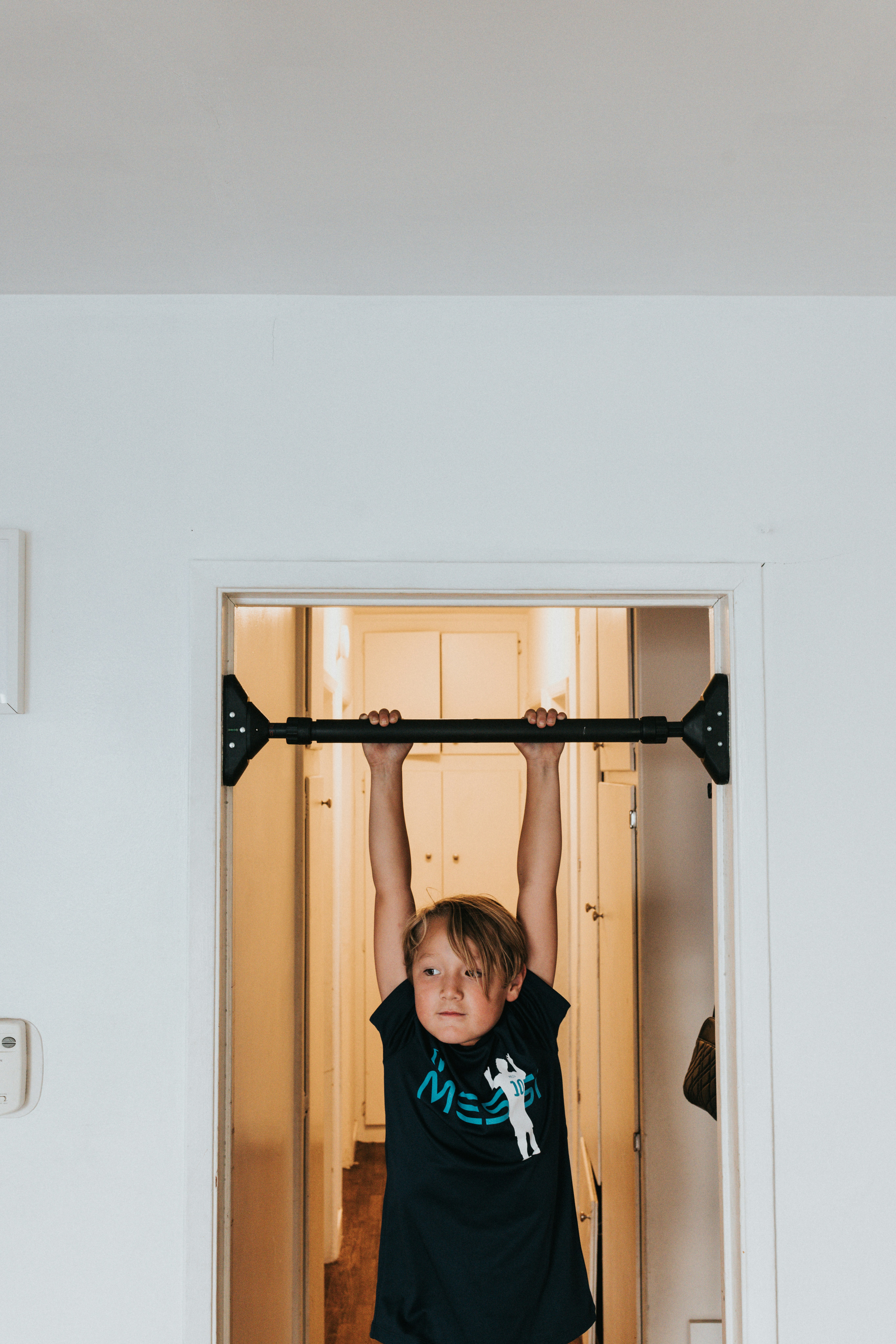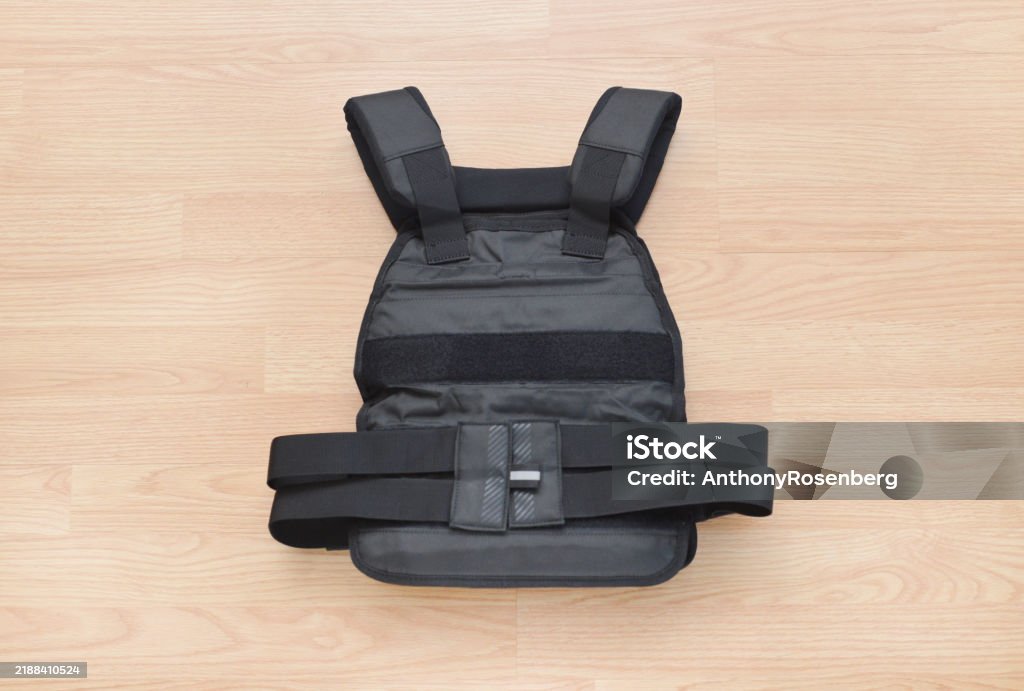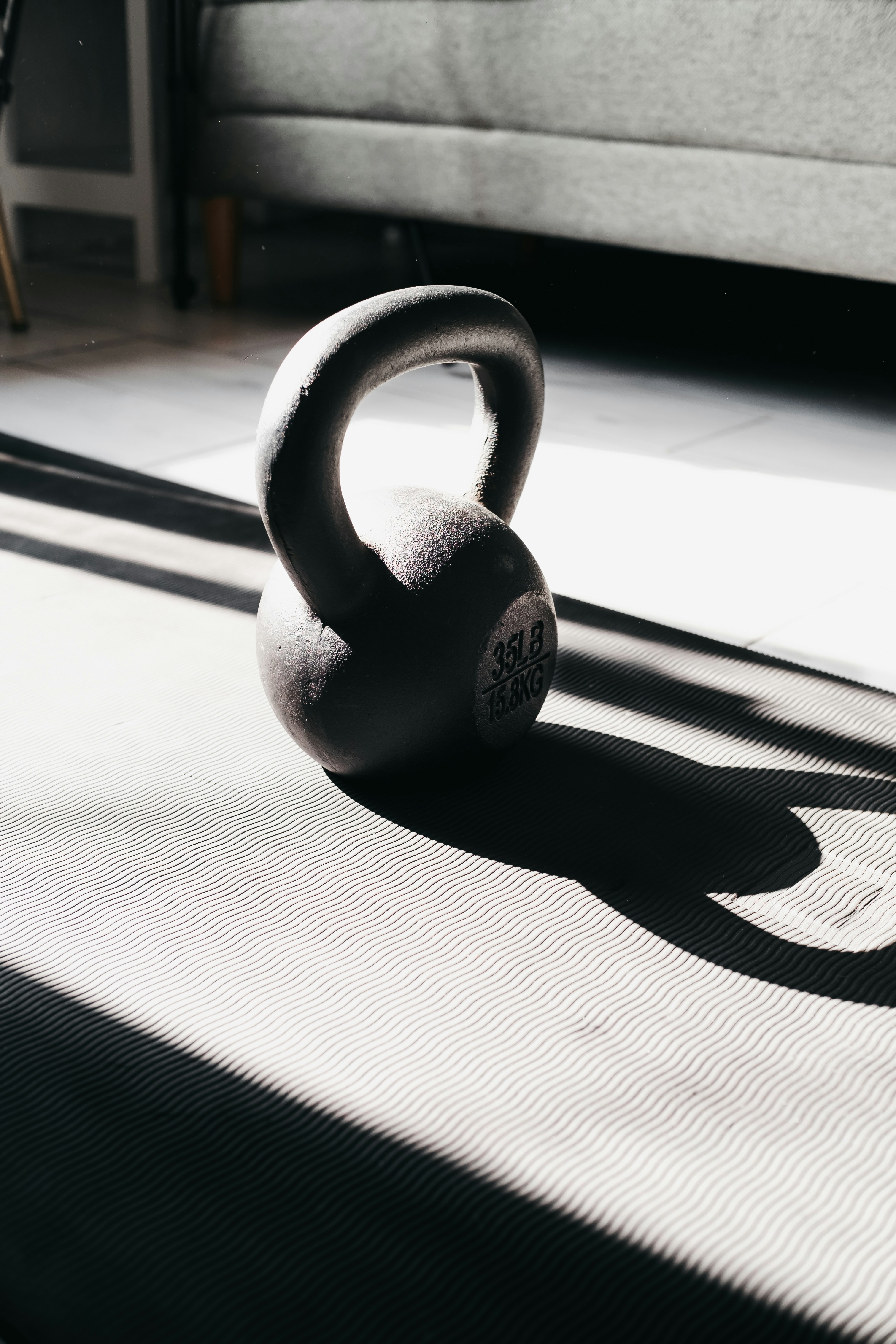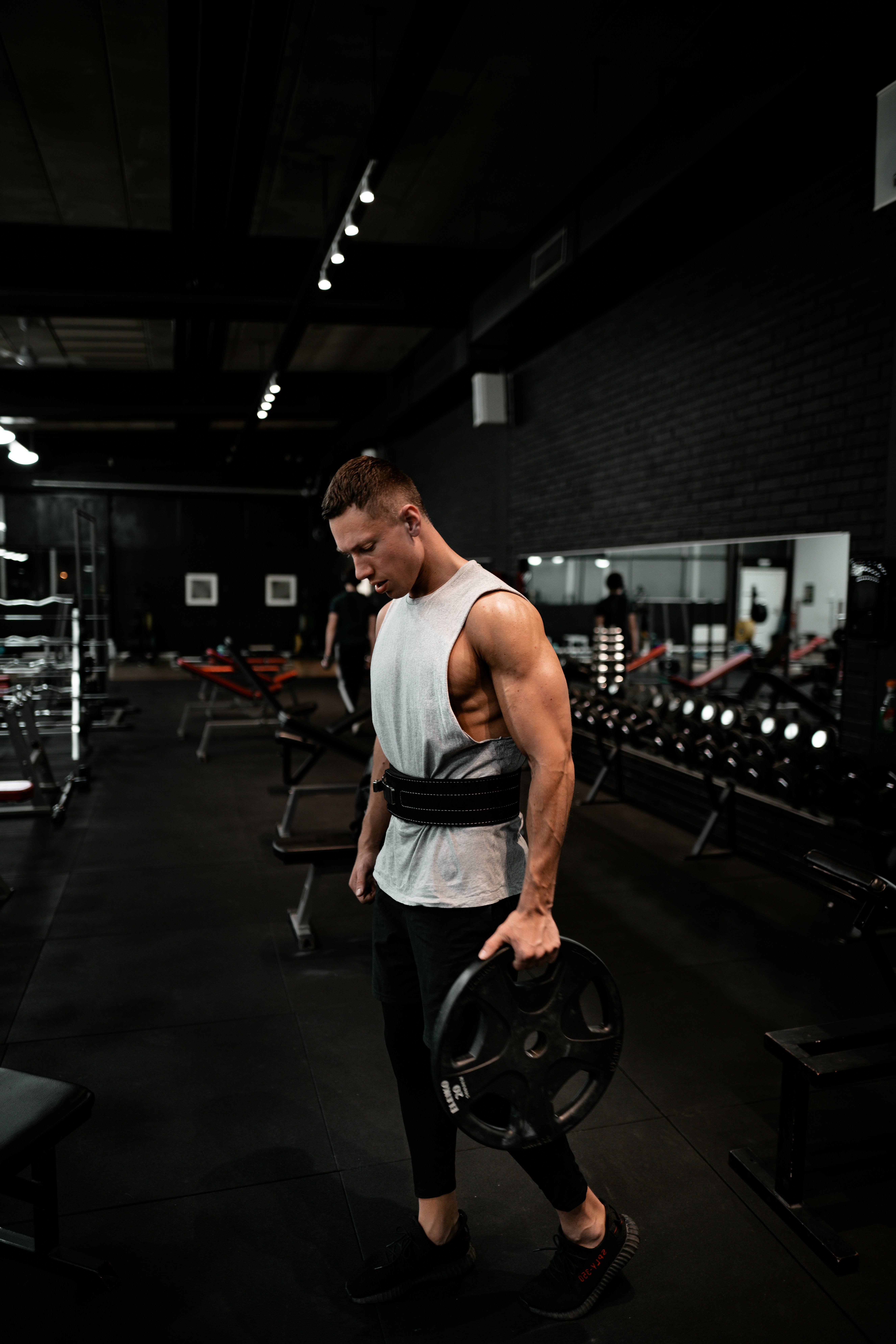
There's a point where bodyweight pull-ups and dips stop building strength the way they used to -- your body adapts, and 15 clean reps stops being hard. A dip belt solves that without needing new equipment at all. It hangs a weight plate below your hips while your hands stay free, letting you keep progressing on the same pull-up bar, rings, or parallettes already covered on this site.
Quick answer
The Gymreapers Dip Belt is a genuinely well-proven pick -- rated 4.9 out of 5 across over 150 reviews on the brand's own site, and cross-verified at the same rating on Walmart. A 38-inch heavy-duty steel chain, cotton and neoprene contoured design for back comfort, and a 300 lb weight capacity cover the vast majority of home lifters progressing past bodyweight-only training.
Why a dip belt is the natural next step, not new equipment
Every piece of pull-up and dip equipment already on this site -- the doorway bar, the freestanding tower, gymnastic rings, parallettes -- eventually hits the same wall: bodyweight alone stops being enough resistance. A dip belt doesn't replace any of that equipment, it extends it. Clip on a weight plate from your existing set, and the same bar or rings you already own becomes a genuinely progressive strength tool again.
What actually matters in a dip belt
Chain length matters more than most buyers expect -- a 38-inch chain like this one comfortably clears multiple standard plates without them bumping your legs mid-rep, which shorter chains often struggle with. Back support and padding matter for comfort under load, especially during longer sets, and a contoured cotton/neoprene design distributes pressure better than a thin, unpadded strap would.
How to use one safely
Start light -- even 5-10 lbs changes the difficulty of a pull-up or dip meaningfully once bodyweight reps are easy. Progressing gradually as reps stay clean and controlled is a safer approach than jumping straight to a heavy plate. This pairs directly with the equipment already covered here: a dip belt plus your existing pull-up bar, rings, or parallettes is genuinely all you need to keep progressing in a small apartment, no new bulky equipment required.