Some muscle knots aren't a broad-coverage problem — they're a one-specific-spot problem. The tight point under a shoulder blade, the deep knot in a glute, the sore arch of a foot after a long day: a foam roller glides past these, and a massage gun's tip is often too broad to sink in precisely. A trigger point ball is built for exactly this narrower job. It's cheap, it takes essentially no storage space, and it does one thing a bigger recovery tool usually can't: apply focused, adjustable, sustained pressure to a single small spot.
The real problem: rollers and guns can't always find the spot
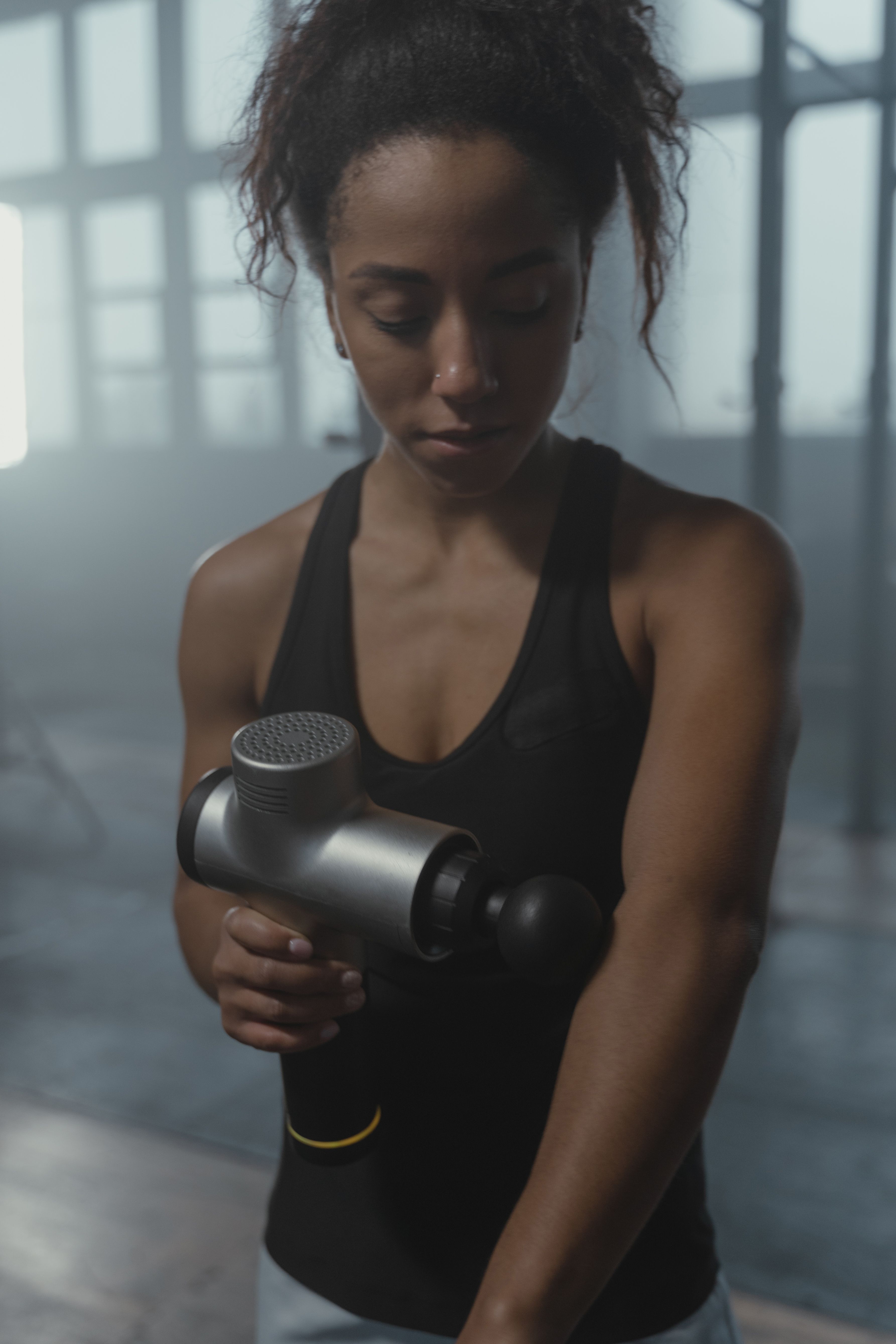
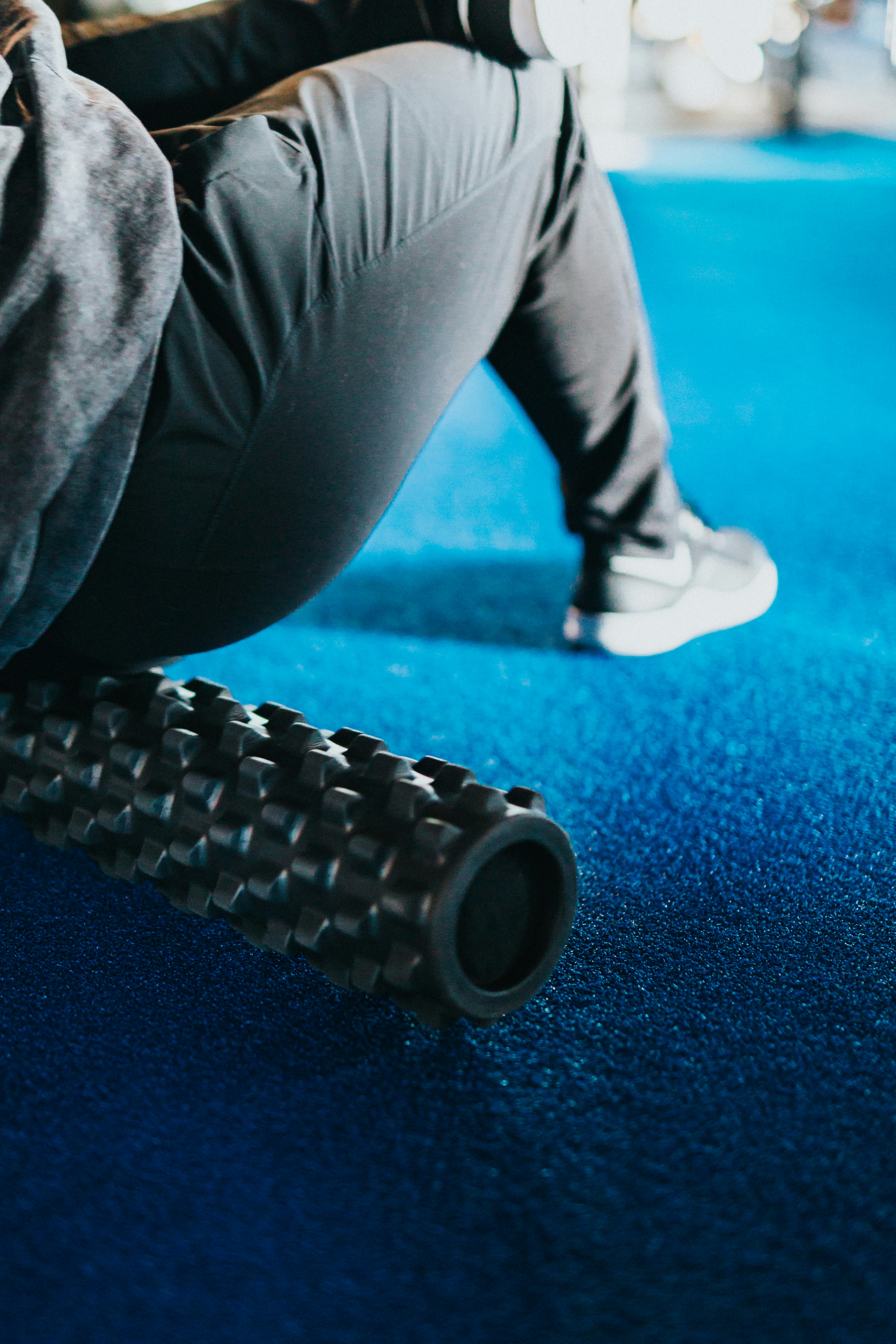
A foam roller covers a lot of surface area fast, and a massage gun delivers a lot of percussive force fast — but neither is great at pinpointing one specific, small knot. The tight spot under a shoulder blade, the deep point in a glute, the tender arch of a foot after a day of walking — these are exactly the spots a bigger tool glances over rather than sinks into.
A trigger point ball solves a narrower problem than a roller or a gun does. It's not a replacement for either — it's the tool for the specific knots that need direct, sustained, adjustable pressure rather than broad coverage or rapid impact.
Comparison table
| Product | Price | Rating | Density Options | Best For |
|---|---|---|---|---|
| ProsourceFit Lacrosse Ball | $6.99 | 4.0/5 | 1 (single firm density) | Budget buyers, simple one-tool needs |
| RAD Rounds | $18 | 4.6/5 | 3 (soft/medium/firm) | Different muscle groups, first-time users, sensitive spots |
Details above are editorial summaries and approximate street prices at the time of writing — confirm specifics on each current listing.
Single ball vs. multi-density set: what actually matters
The real decision here isn't which brand — it's whether one firmness level covers your needs or whether you want options. A single dense ball is simple, cheap, and works well once you know roughly how much pressure your body tolerates. A multi-density set solves the problem of different muscle groups needing genuinely different pressure: the arch of your foot and the meat of your glute are not the same tolerance level, and a ball that's perfect for one can be either too soft or painfully too firm for the other.
If you've never used a trigger point ball before, having a softer option to start with is a real advantage — it's easy to go firmer later, harder to un-learn a bad first impression from starting too intense.
ProsourceFit Lacrosse Ball vs. RAD Rounds
The ProsourceFit Lacrosse Massage Ball is about as simple as this category gets: one firm rubber ball, small enough to toss in a gym bag, cheap enough that price is basically a non-factor. It's a single density, so what you get is what you get — no adjusting for different muscle groups. It's rated lower than the other pieces of equipment normally featured here (4.0 vs. this site's usual 4.5+ bar), which is worth being upfront about — but for a simple, low-failure-mode solid rubber ball at under $7, the trade-off is different than it would be for something mechanical or complex. Read a few of the actual reviews before buying if firmness sensitivity is a concern for you specifically.
RAD Rounds is a three-density set, letting you match firmness to the muscle group — softer for sensitive spots like feet or the neck, firmer for larger muscles like glutes. It's rated meaningfully higher (4.6/5) and costs about two and a half times more ($18 vs. $6.99), which is a reasonable trade for genuinely more versatility rather than just a bigger price tag.
How to actually use one without hurting yourself
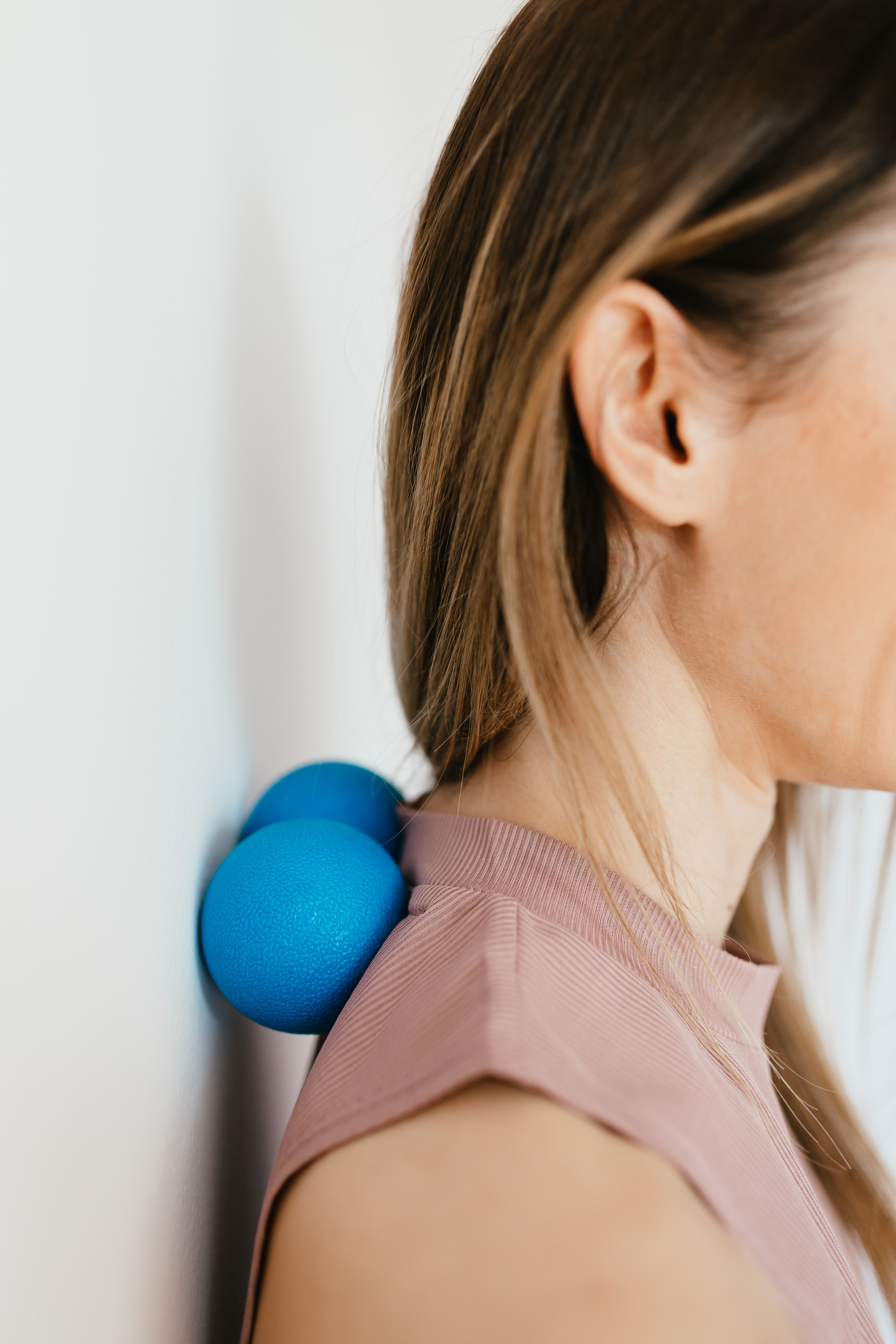
Trigger point work is supposed to be uncomfortable, not painful. The general approach: find the tight spot, apply steady pressure for 20-30 seconds, and let the muscle release rather than aggressively digging in. If a spot causes sharp, shooting, or radiating pain rather than a dull, tolerable discomfort, ease off — that's a sign to back off pressure or duration, not a sign you need to push harder.
Common trouble spots for apartment-dwellers who sit a lot or stand all day: the glutes (especially near the hip), the upper back between the shoulder blades, and the arches of the feet. All three work well against a wall, floor, or seated position — no dedicated space required.
The real-life verdict
If you only want one simple, cheap tool and don't mind a single firmness level, the ProsourceFit ball does the job for well under ten dollars — just go in aware it's rated lower than this site's usual bar, and that's specifically because of firmness preference variability, not a defect in the product itself. If you want more control over pressure across different muscle groups and don't mind paying more, RAD Rounds is the stronger, higher-rated pick.
Either way, this is one of the cheapest, most storage-free additions you can make to a small recovery kit — it belongs alongside a stretching strap or acupressure mat, not instead of a foam roller or massage gun for broader work.