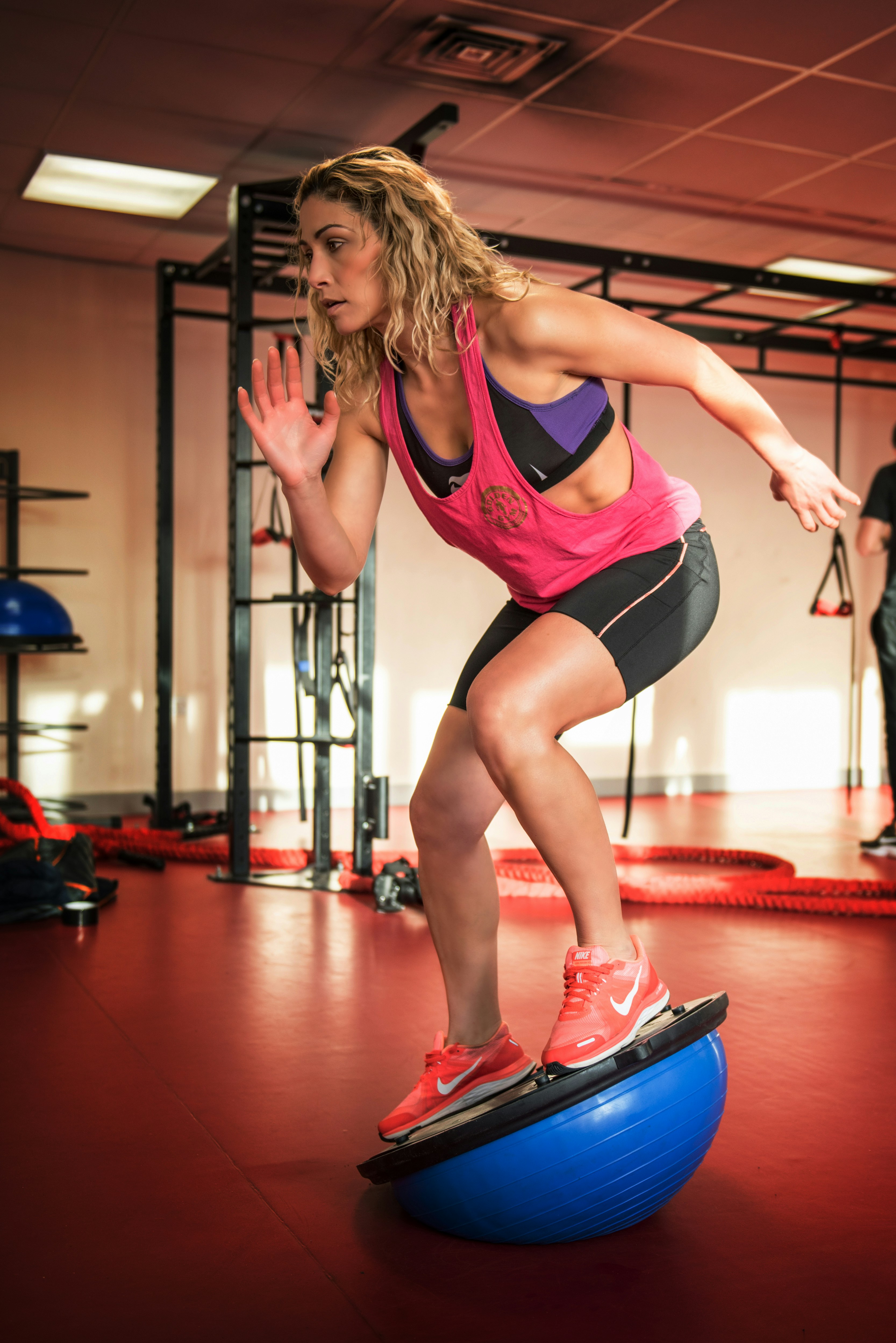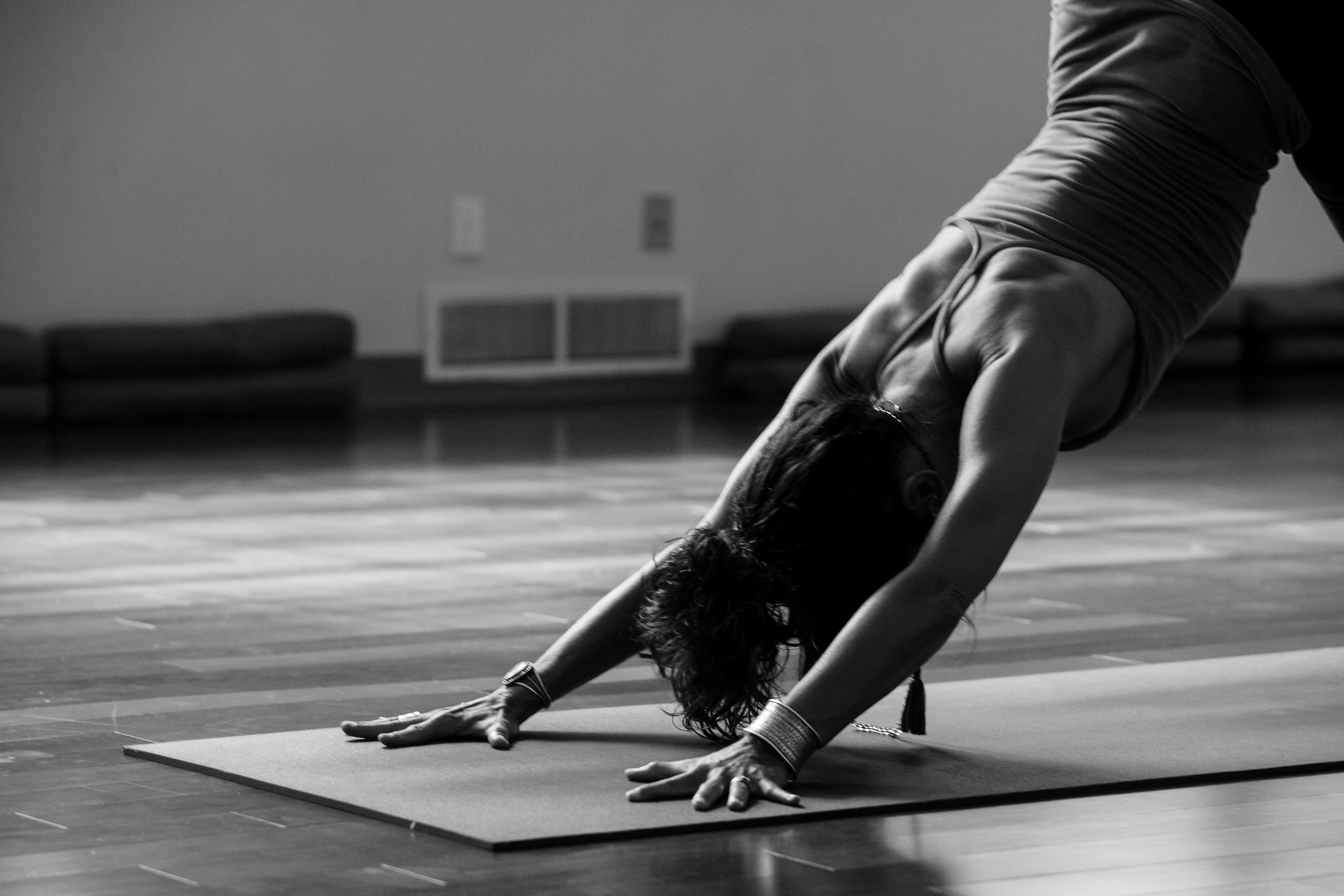
It's easy to assume gym flooring covers this too, but a personal exercise mat does a different job. Flooring protects your actual floor from equipment and impact; a mat like this is what your body is directly in contact with during yoga, stretching, bodyweight work, or floor-based strength training. It's also one of the smallest, cheapest, most-used pieces of equipment in almost any apartment gym -- and it rolls up small enough to lean in a closet corner when you're done
Quick answer
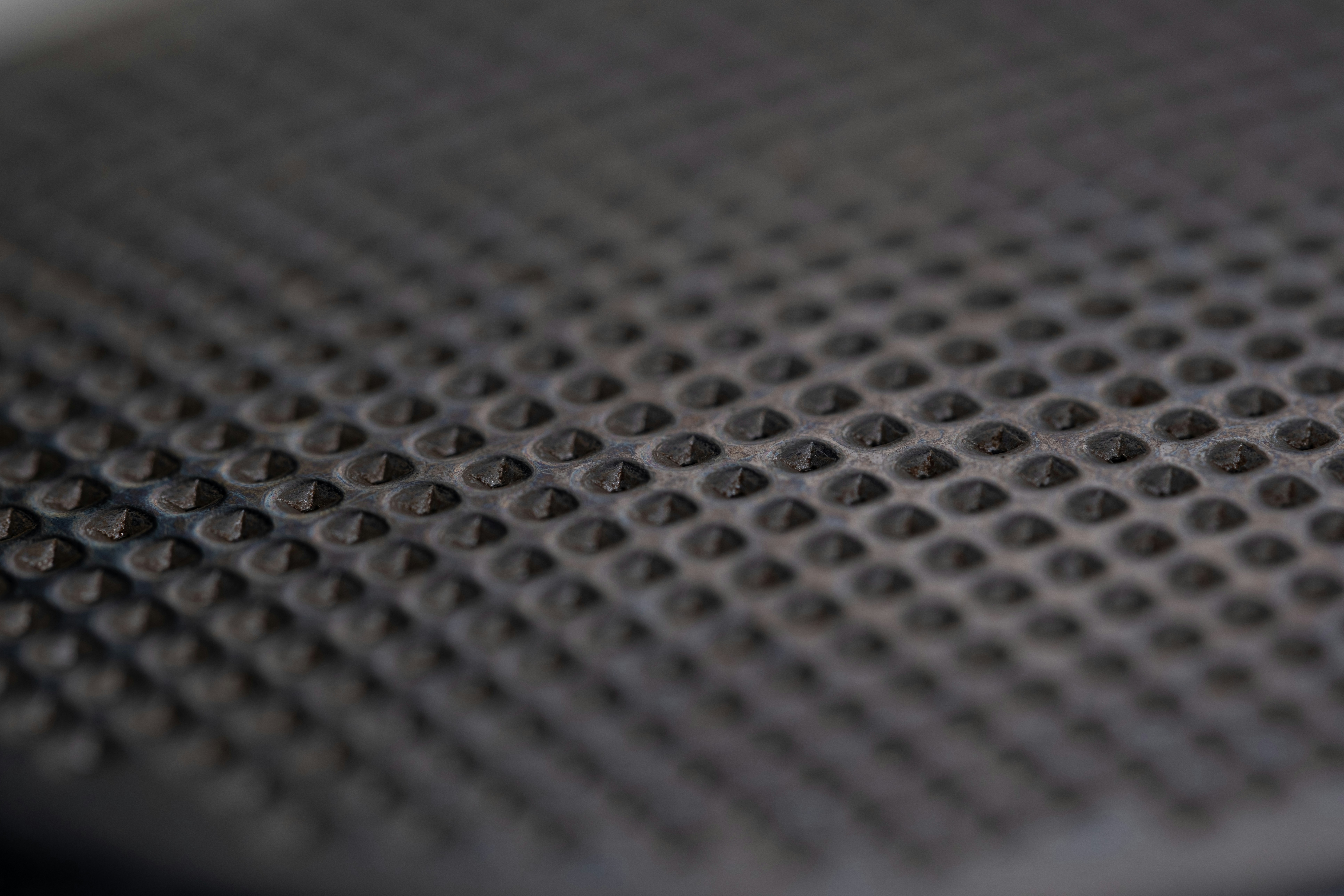
The Gaiam Premium Yoga Mat is the reliable, well-established everyday pick -- 6mm cushioning, non-slip texture, and a trusted brand with decades of track record. If joint comfort on hard apartment flooring is your priority, the HemingWeigh 1-Inch Extra Thick Mat nearly doubles the cushioning, which matters more than it sounds like on tile or hardwood.
Comparison table
| Product | Price | Thickness | Best For | Storage |
|---|---|---|---|---|
| Gaiam Premium Yoga Mat, 6mm | $20–$30 | 6mm | Standing yoga, balance work | Rolls compact, carrying strap available separately |
| HemingWeigh 1-Inch Extra Thick Mat | $25–$35 | 1 inch (25mm) | Floor work, joint protection on hard flooring | Bulkier roll, includes carrying strap |
Details above are editorial summaries and approximate street prices at the time of writing — confirm specifics on each current listing.
This is different from your gym flooring mat
A gym flooring mat (covered in our separate flooring guide) protects your actual floor from equipment weight and impact -- it's meant to stay in place under a rack, dumbbells, or a cardio machine. A personal exercise mat like the ones here is what you're directly in contact with -- for yoga, stretching, planks, sit-ups, and other floor-based movement. Many apartment setups genuinely benefit from both, layered or used in different spots depending on the activity.
How thickness actually affects your workout
A thinner mat (around 5-6mm) gives better stability for standing balance poses since there's less give underneath you, while a thicker mat (around 1 inch) provides more joint cushioning for kneeling or lying positions, particularly noticeable on hard flooring like tile or hardwood common in apartments. Neither is objectively better -- it depends on whether your routine leans more toward standing/balance work or floor-based stretching and core work.
How to choose for an apartment specifically
If your apartment has hard flooring throughout, lean toward the thicker option for comfort during floor work. If you're doing more standing yoga or balance-focused routines, a thinner, grippier mat gives better stability. Either way, a carrying strap is a genuine convenience for storage -- rolled and strapped, a mat takes up almost no space leaning in a closet or against a wall.