Most home gym advice is written as if you're setting up once and never touching it again. Renters don't get that luxury — a new job, a rent increase, a better unit across town, and suddenly the equipment you built around has to fit in a truck. None of that means skip the home gym. It means building it with an honest eye toward what actually survives a move and what turns moving day into its own separate project.
The real problem: most home gym advice assumes you're staying put
Renters move far more often than homeowners — a new job, a rent increase, a better unit across town. Most home gym content is written as if you're setting up once and never touching it again, which quietly steers people toward equipment that's genuinely painful to move: a squat rack that needs to be disassembled and re-leveled, a rowing machine that barely fits through a doorway, a bench that's awkward to carry down two flights of stairs alone.
None of that makes those items bad equipment. It makes them a bad fit for someone who's realistically moving again within a year or two, which describes a lot of apartment dwellers.
What actually travels well vs. what becomes a moving-day problem
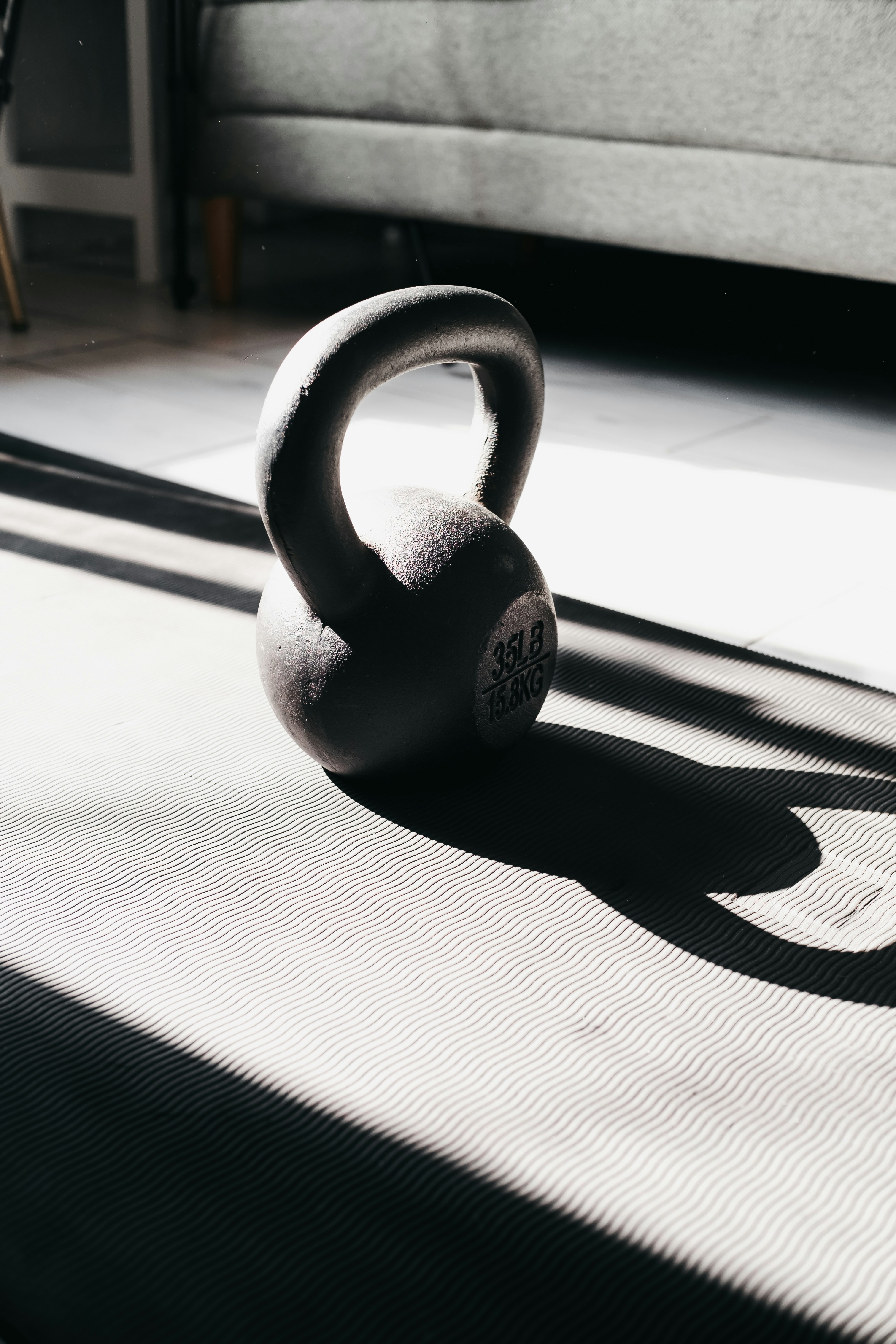
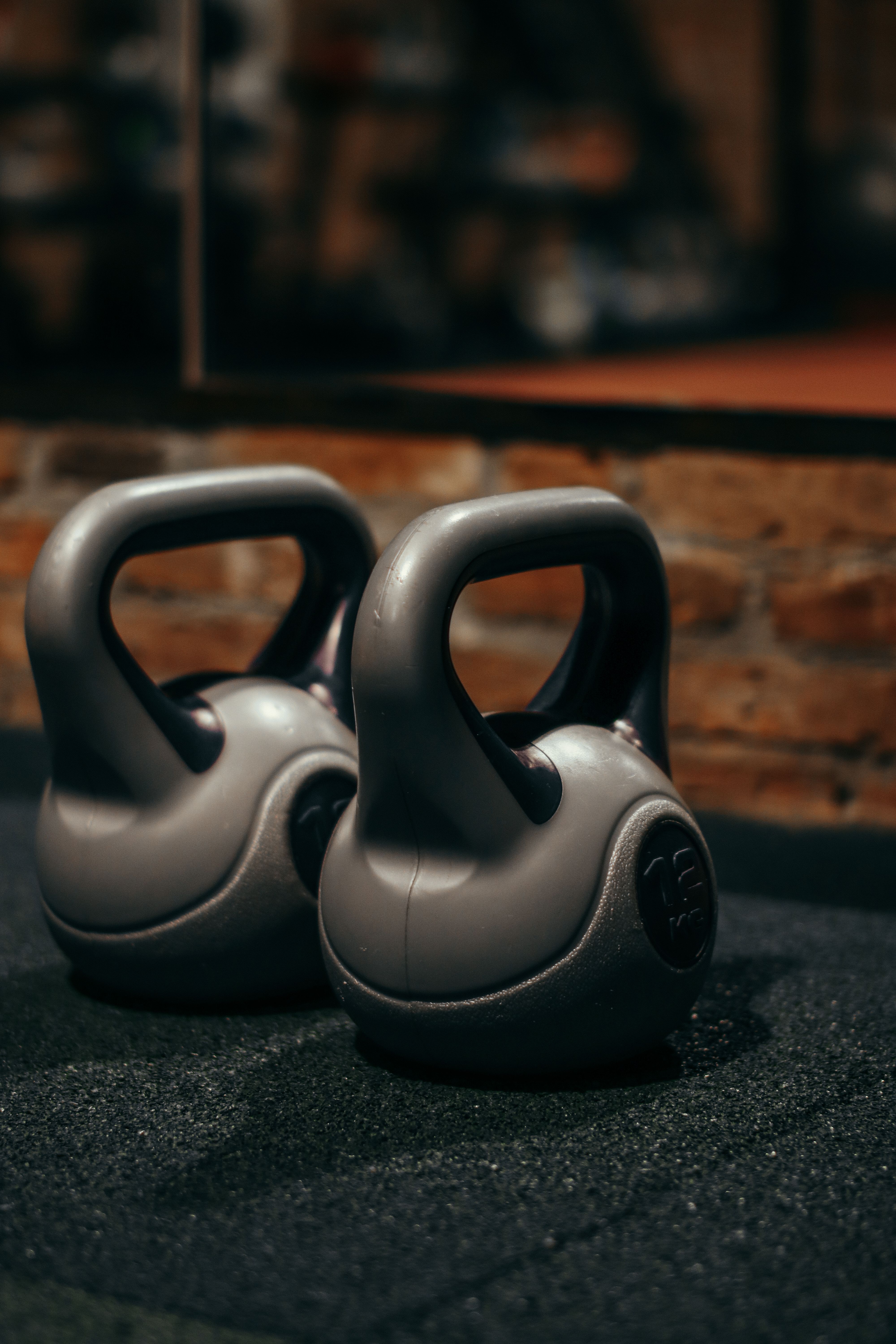
Equipment that survives a move without drama: adjustable dumbbells (one compact unit instead of a rack of separate weights), resistance bands (fits in a drawer, let alone a moving box), a rolled exercise mat, a suspension trainer, kettlebells (heavy but simple to box and carry). These share a trait — no assembly required, no fragile mechanisms, no awkward dimensions relative to a standard doorway or stairwell.
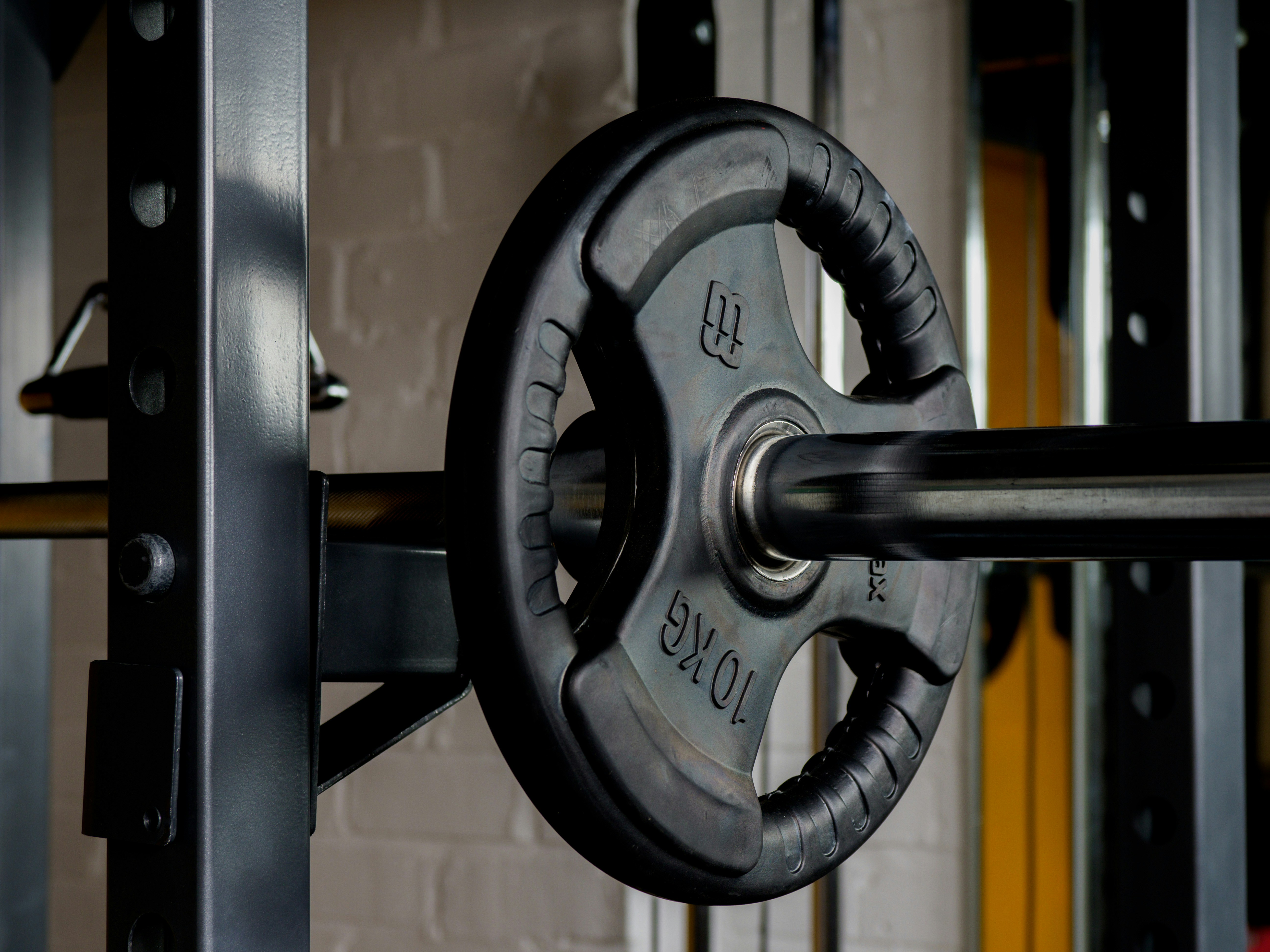
Equipment that turns moving day into a project: squat racks and power cages (multi-piece assembly, real weight, awkward shapes), rowing machines and exercise bikes with fixed frames (heavy, bulky, sometimes need partial disassembly), and anything requiring wall or ceiling mounting that has to be patched and removed. None of these are wrong to own — they're just worth going in eyes-open about the actual cost of your next move.
Packing and protecting equipment for a move
A few specifics that save real hassle: pack loose dumbbell plates or kettlebells in sturdy boxes rather than moving bags (weight concentrated in a bag handle is a real strain and tear risk), keep resistance bands in their own labeled pouch so they don't get buried and forgotten, roll mats rather than folding them to avoid permanent crease lines, and photograph any equipment you disassemble (a rack, a bench) before taking it apart so reassembly isn't a guessing game later.
If you're hiring movers, flag genuinely heavy items (loaded kettlebells, a full dumbbell set) ahead of time rather than surprising them on move day — it affects both cost and how carefully things get handled.
Planning your next apartment's gym setup before you've even seen it
If a move is even a possibility, a tape measure in your moving bag is worth more than any piece of equipment. Before signing a new lease, get the actual dimensions of the space you're planning to use — not a guess from a listing photo — and ask directly about anything that mattered in your current place: noise tolerance, whether the unit is above or below another tenant, and any lease language about fixtures or hardware if wall-mounted equipment is part of your plan.
This is also a good moment to reassess your setup rather than just recreate it identically. A piece of equipment that made sense in your last layout might not fit as well in the next one — treat a move as a checkpoint, not just a relocation.
The real-life verdict
If you know you're moving again within the next year or two, lean toward equipment that packs into a box rather than equipment that needs disassembly and a truck. That's not a downgrade — adjustable dumbbells, bands, and a mat cover an enormous amount of real training, and they're the equipment least likely to make your next move worse than it needs to be.
If you're planning to stay put for years, the calculus changes and bulkier equipment is a much easier call. The mistake is buying for permanence when your actual living situation is anything but.