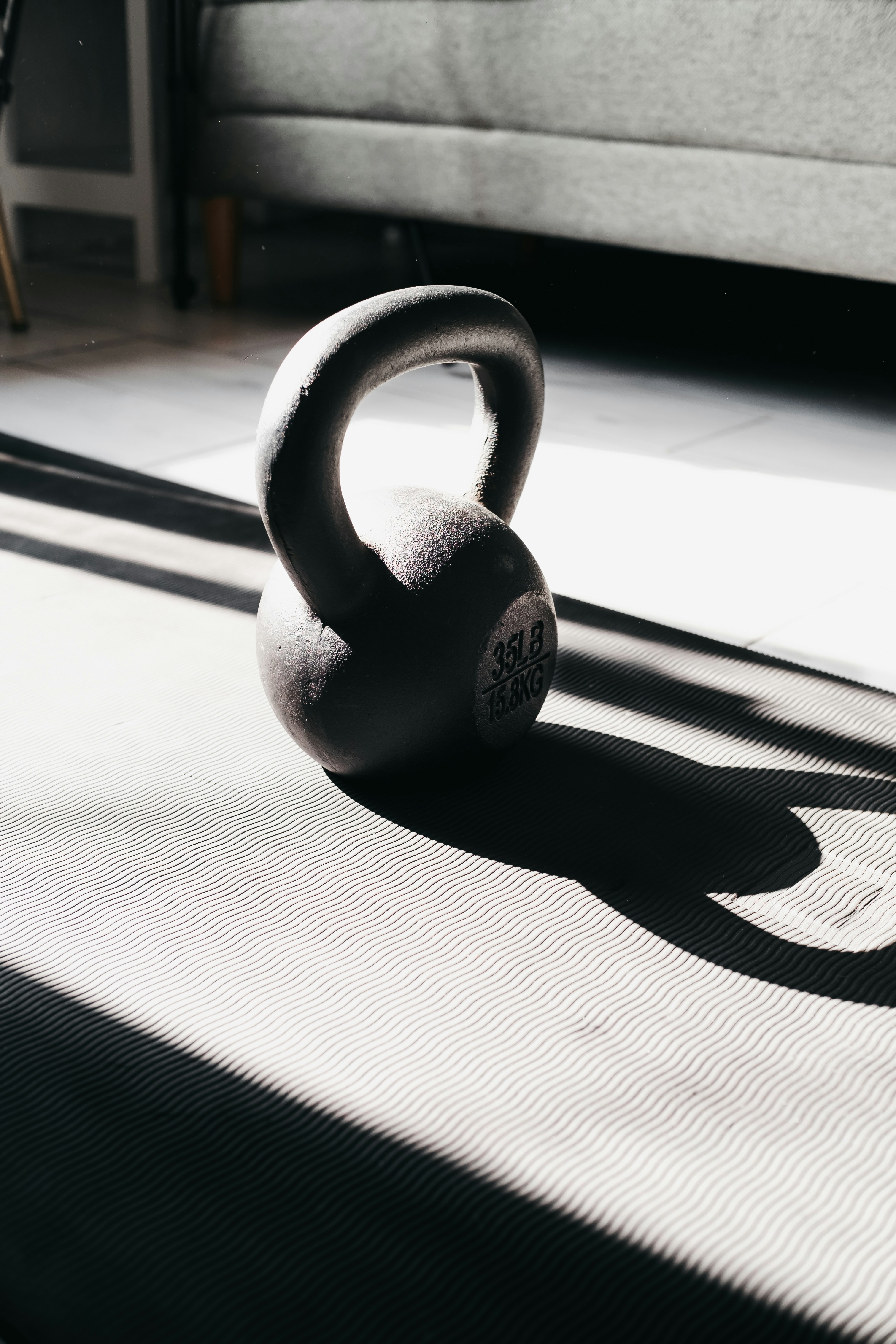
A bench is one of the first things people add to a home gym, often before they've actually hit the point where they need one. It's also one of the bulkier items covered on this site, even the folding versions. Before spending the money and the storage space, it's worth being honest about who actually benefits from one right now versus who's buying it on the assumption they'll need it eventually.
What a bench actually adds
A bench unlocks exercises that genuinely need elevation or a stable incline surface -- bench press, incline dumbbell press, step-ups, and single-arm rows with proper back support. These are real gaps if pressing movements are a priority in your training, and no amount of floor-based substitution fully replicates a bench press specifically.
What you can do without one
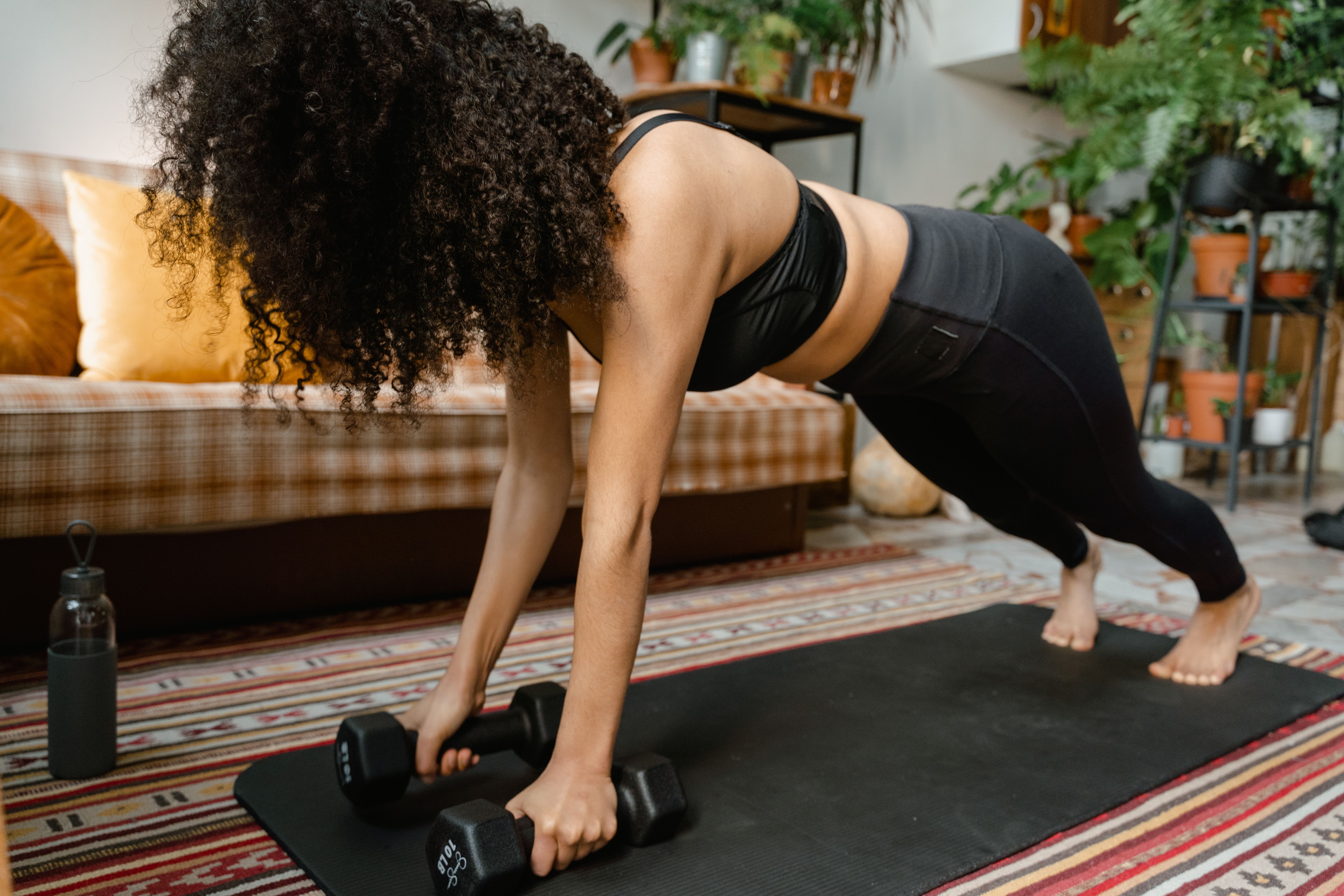
A surprising amount of upper body training works fine on the floor. Floor presses (lying on a mat instead of a bench) hit chest and triceps effectively, just with a slightly reduced range of motion at the bottom. Standing overhead presses, bent-over rows, and most core work never needed a bench in the first place. If your current routine is built around these movements, a bench is solving a problem you don't have yet.
The real trade-off: space versus capability
Even a genuinely well-designed folding bench, like the options covered in our folding bench guide, still occupies real space when in use and requires a specific storage spot when folded -- typically leaning against a wall or behind a door. That's a bigger commitment than a set of resistance bands or ankle weights, both of which store in a drawer. The question isn't whether a bench is good equipment -- it clearly is -- it's whether the specific exercises it unlocks are worth that storage cost for where you are in your training right now.
A reasonable way to decide
Skip a bench for now if your routine is mostly bodyweight, standing, or floor-based work, and if bench press specifically isn't a training priority. Get one if incline or bench pressing is a real goal, or if you've outgrown floor presses and want the added range of motion and stability a proper bench provides. A reasonable middle path many people take: start without one, and add a folding bench later once a specific exercise gap actually shows up in your training rather than buying preemptively.