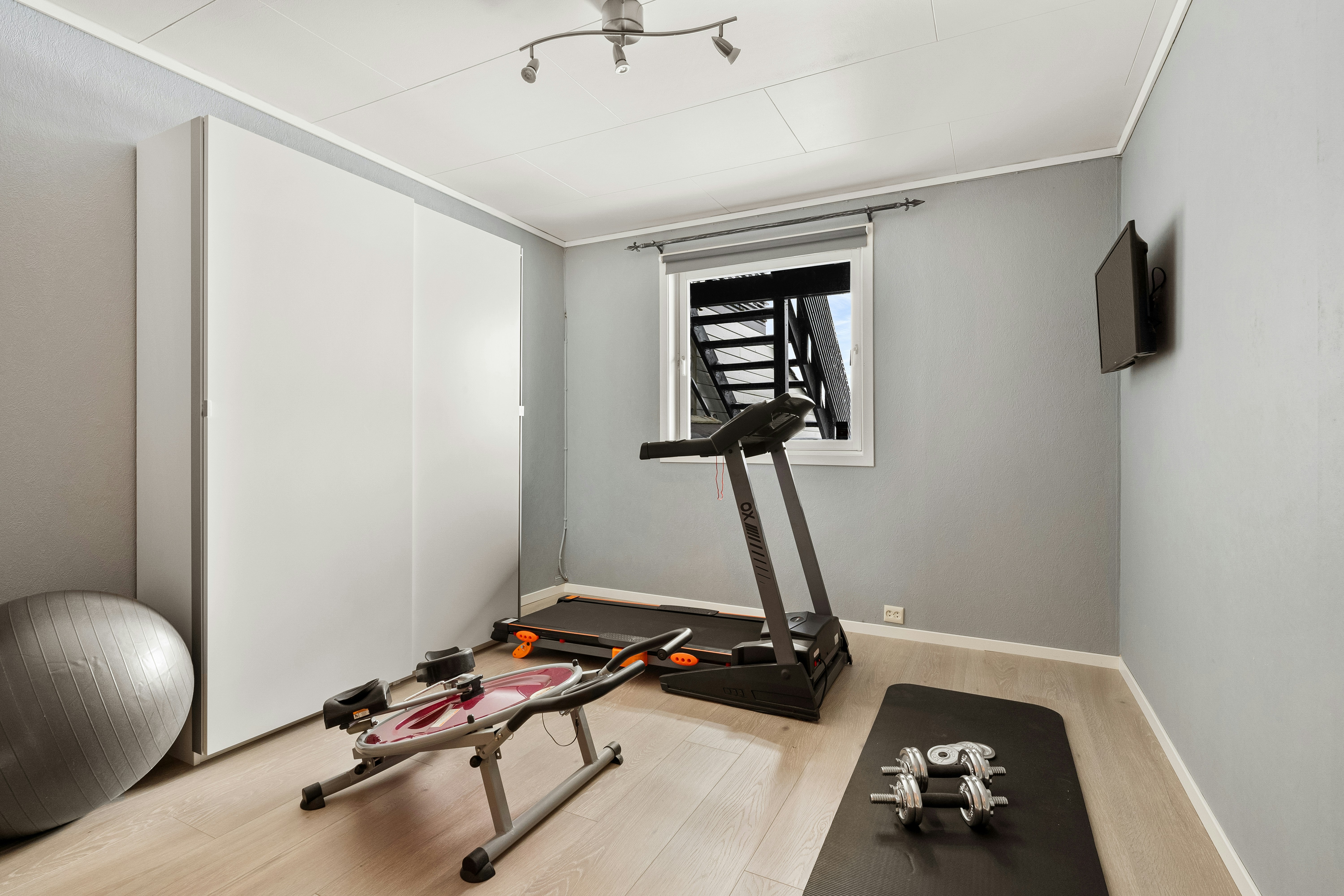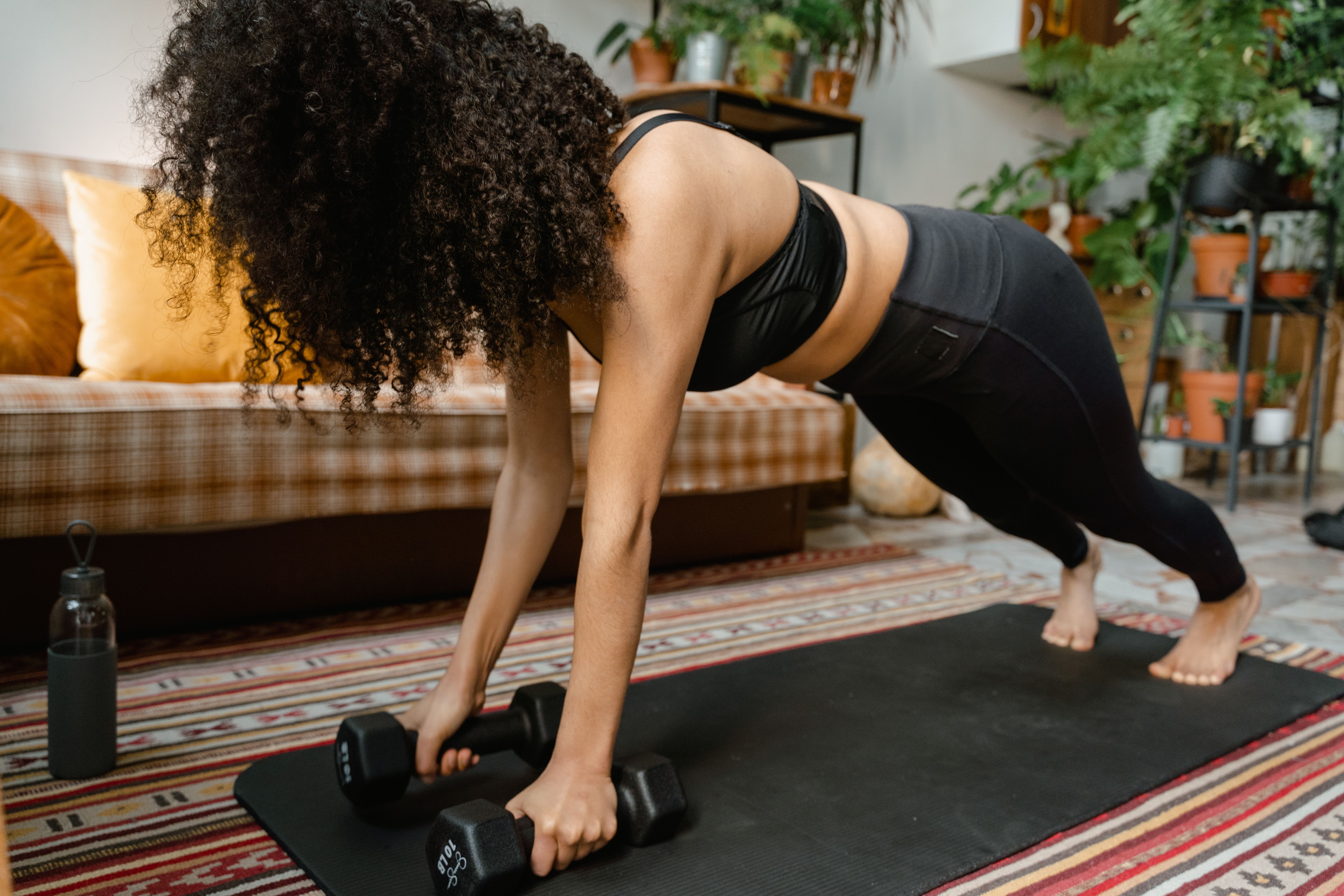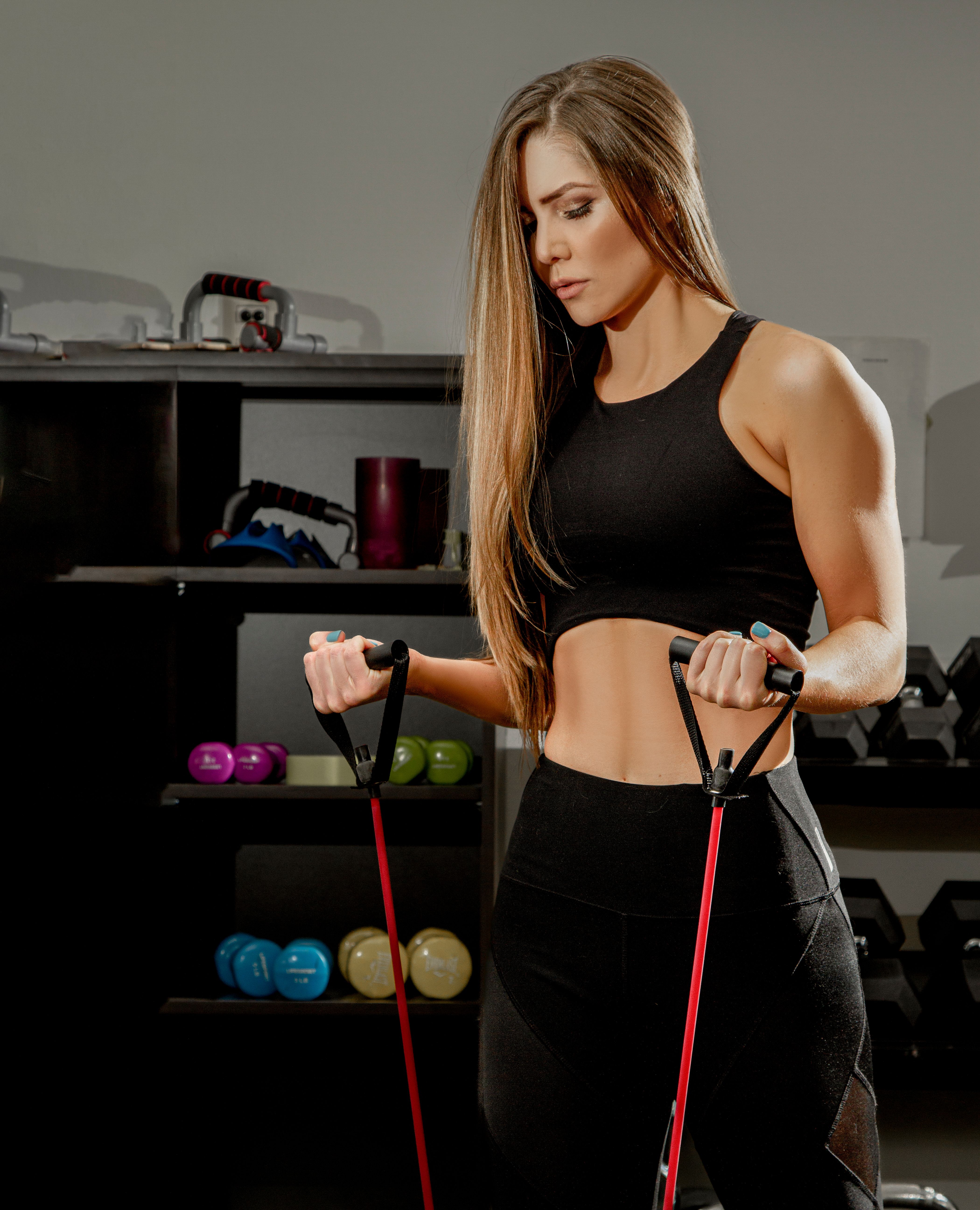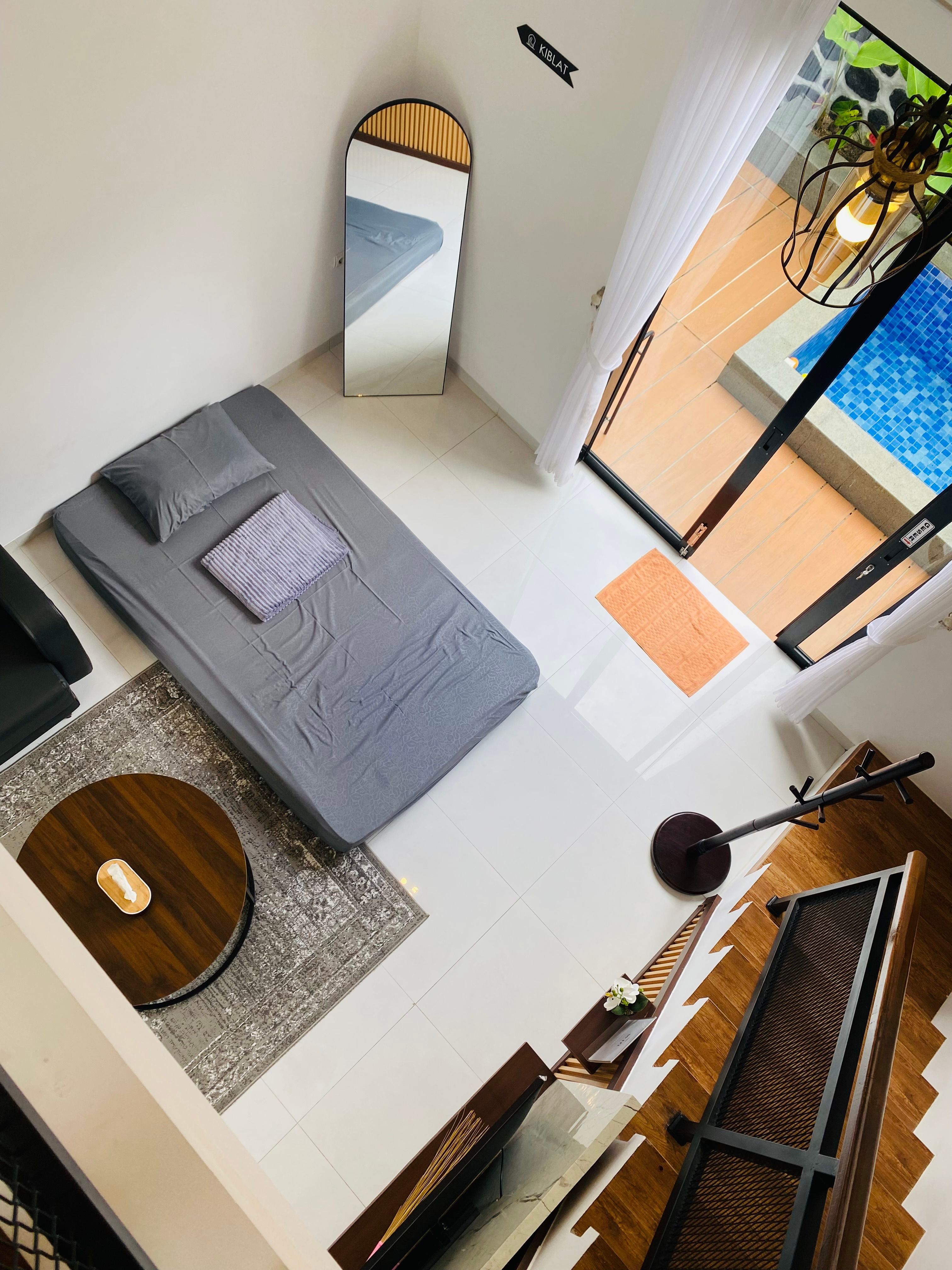
Most people measure the wrong thing before buying home gym equipment -- they check if a box fits against a wall, and stop there. The number that actually matters is usually a different one: clearance while in use, not just storage footprint. Here's how to measure properly before ordering anything, based on what actually trips people up.
The two numbers that matter, and they're different
Storage footprint is how much space something takes up when folded or put away -- the number most product listings emphasize. Clearance is how much space you need while actually using it -- swinging a kettlebell, extending into a lunge, pulling a resistance band overhead. Both matter, but clearance is the one people forget to check, and it's the one that actually determines whether a workout feels cramped or comfortable.
How to measure clearance properly
Stand in your intended spot and physically extend your arms and legs through the widest range of motion you'd realistically use -- a lunge, an overhead press, a band pulled to full extension. Mark that boundary with tape if it helps visualize it. This is more accurate than estimating, since most people underestimate how much space a full range of motion actually needs until they physically test it.
Don't forget these three things people consistently miss
Door swing -- if equipment lives near a door, check the door's full swing arc, not just its closed position, since a folded rack or bench near a doorway can block it from opening fully.
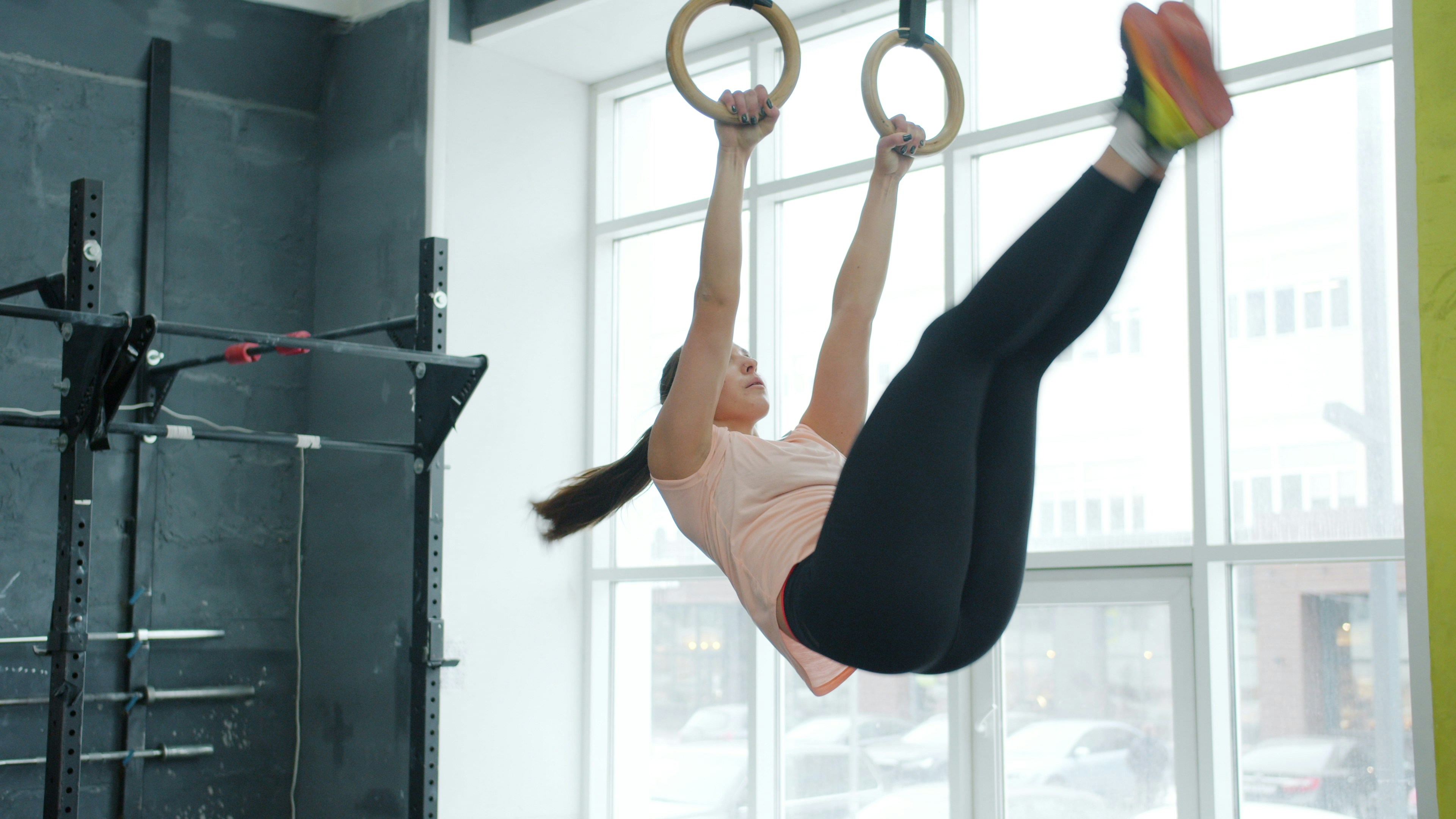
Ceiling height for anything overhead -- a pull-up bar, overhead presses, or a suspension trainer anchor point all need real headroom, and most people don't think to check this until it's already a problem.
Under-furniture clearance measured at the actual lowest point -- a bed frame or desk's clearance often isn't uniform, so measure at the tightest point, not the most generous one, before assuming a walking pad or storage bin will slide under it.
A simple process before buying anything
Measure your available floor space in both directions. Physically test clearance for the actual movements you'll do, not just a general sense of "enough room." Check folded depth against your specific wall space if the item needs to lean somewhere. Check under-furniture clearance at its tightest point if storage depends on sliding something underneath.