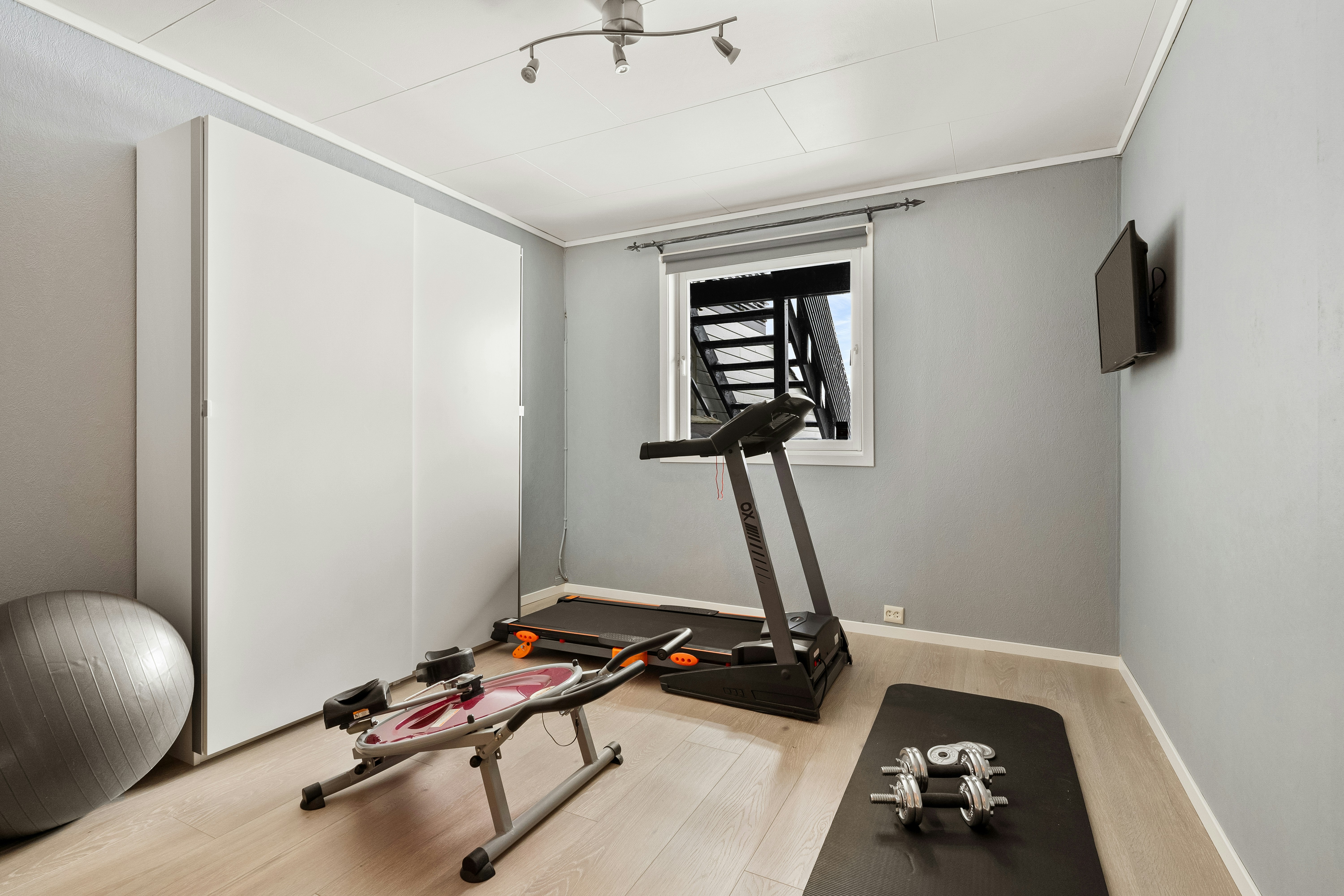
The hardest part of building an apartment gym isn't finding space — it's figuring out where your money is best spent first. Buy the wrong thing at $50 and it sits in a corner. Buy the right thing at $500 and it becomes the piece everything else gets built around. This is a budget-by-budget breakdown of what's actually worth buying first, pulling from everything we've tested and covered on the site so far.
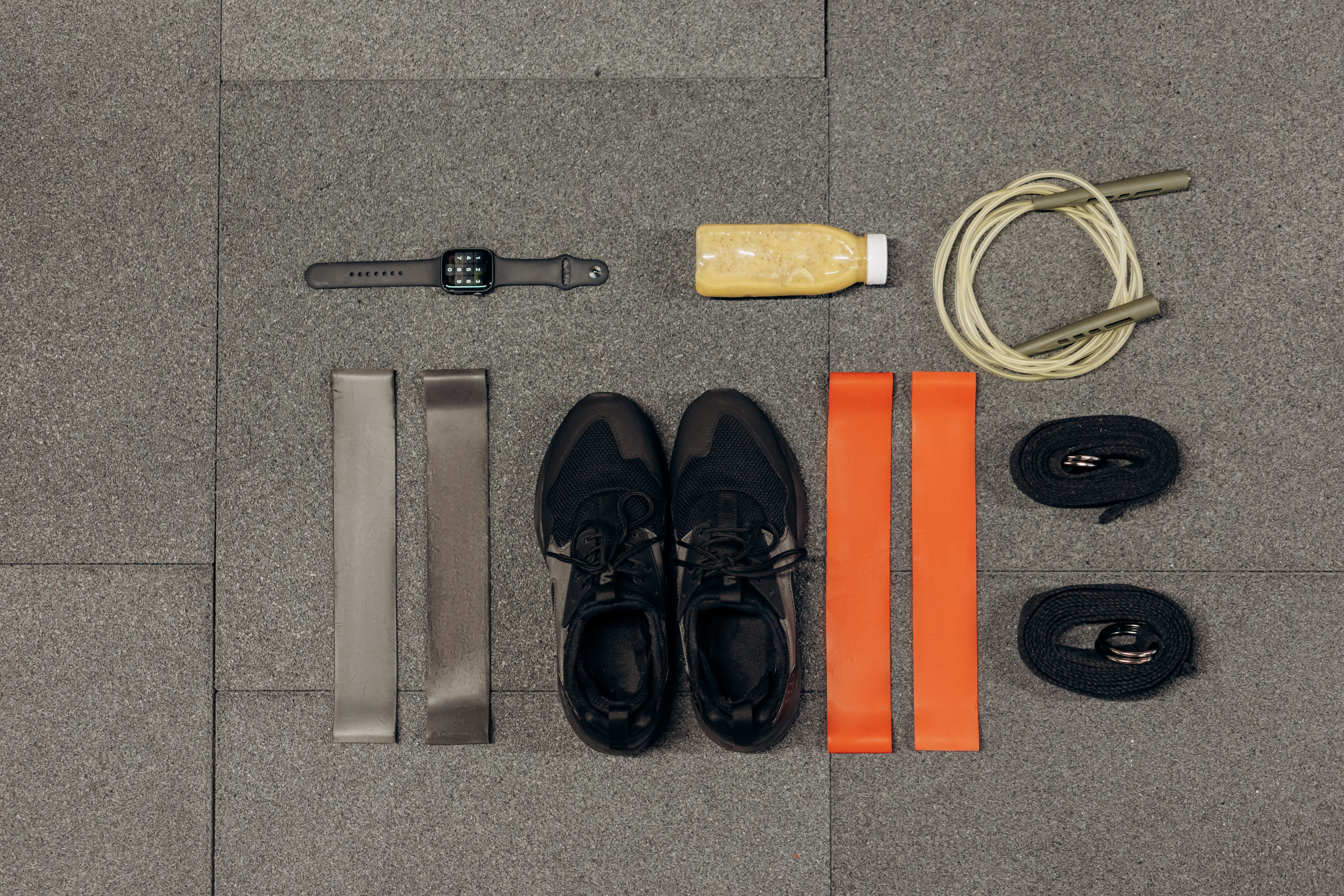
Under $25: resistance bands or a jump rope
At this price point, you're not buying a home gym — you're buying proof of concept. A set of resistance bands or a simple jump rope costs almost nothing, takes up zero permanent space, and tells you within two weeks whether home training is actually going to stick for you.
This tier isn't about performance. It's about removing every excuse before you spend real money on something bigger.
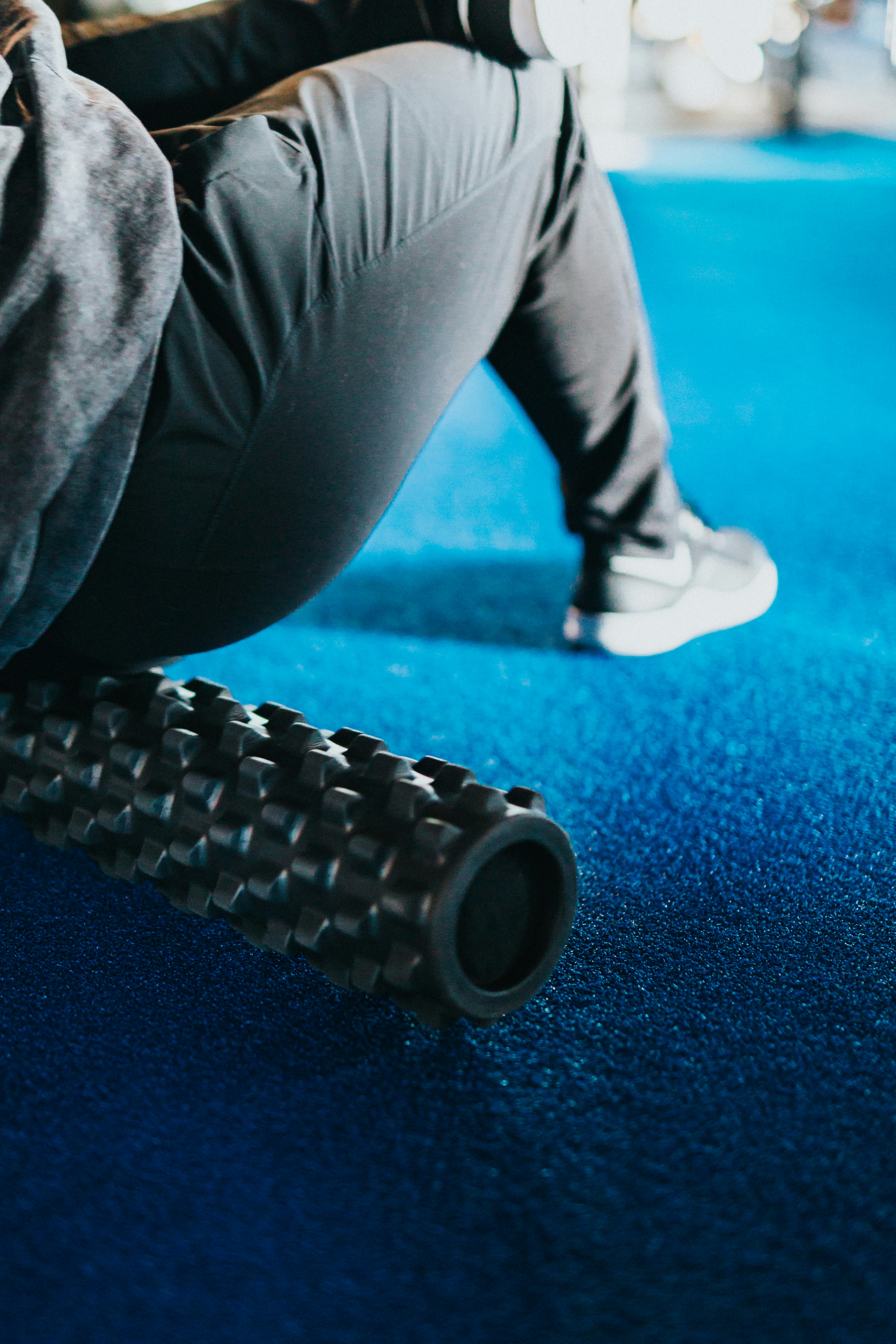
$25-$75: a foam roller or a set of adjustable dumbbells (small pair)
Once you know you're training consistently, this tier is where you start filling real gaps. A foam roller solves the recovery problem cheaply. A small pair of adjustable dumbbells solves the "bodyweight alone isn't challenging anymore" problem.
Pick based on which gap you're actually hitting, not which one sounds more exciting. If you're sore constantly and not recovering well, the roller wins. If your bodyweight workouts have plateaued, the dumbbells win.
$75-$200: a suspension trainer or a compact kettlebel
This is the tier where equipment starts doing double or triple duty. A suspension trainer turns into dozens of exercises across your whole body with a single anchor point and no permanent installation. A kettlebell in the 25-35 lb range covers strength, conditioning, and mobility work in one object that fits in a closet.
Both options share the same quality that matters most at this budget: versatility per square foot. Neither is a single-purpose tool.
$200-$500: a foldable rowing machine or a walking pad
This is the tier where you're buying a genuine cardio system, not just an accessory. A foldable rowing machine gives you full-body cardio in a package that folds down small enough for a studio apartment. A walking pad gives you low-impact daily movement that fits under a desk and disappears when you're not using it.
Which one wins depends entirely on how you want to move. If you want intensity in short sessions, the rower is the better buy. If you want low-key movement spread across a workday, the walking pad wins.
The one rule that applies at every tier
Buy for the gap you actually have, not the gap you think you should have. The single biggest waste of money in home gym equipment isn't buying cheap gear — it's buying good gear that solves a problem you don't actually have. Look honestly at what's stopping you from training consistently right now, and spend at whatever tier closes that specific gap.