Most apartment gym advice obsesses over floor space — how many square feet you need, how to fit equipment into a corner, how to keep a mat from sliding into the coffee table. Almost none of it mentions the ceiling. That's a problem, because ceiling height is often the actual limiting factor for anything that involves reaching overhead: pull-up bars, squat racks with attachments, suspension trainers, even some rowing machines during the catch position. Get the floor plan right and the ceiling wrong, and you'll find out the hard way — usually after the box has already been opened.
Standard Apartment Ceiling Heights
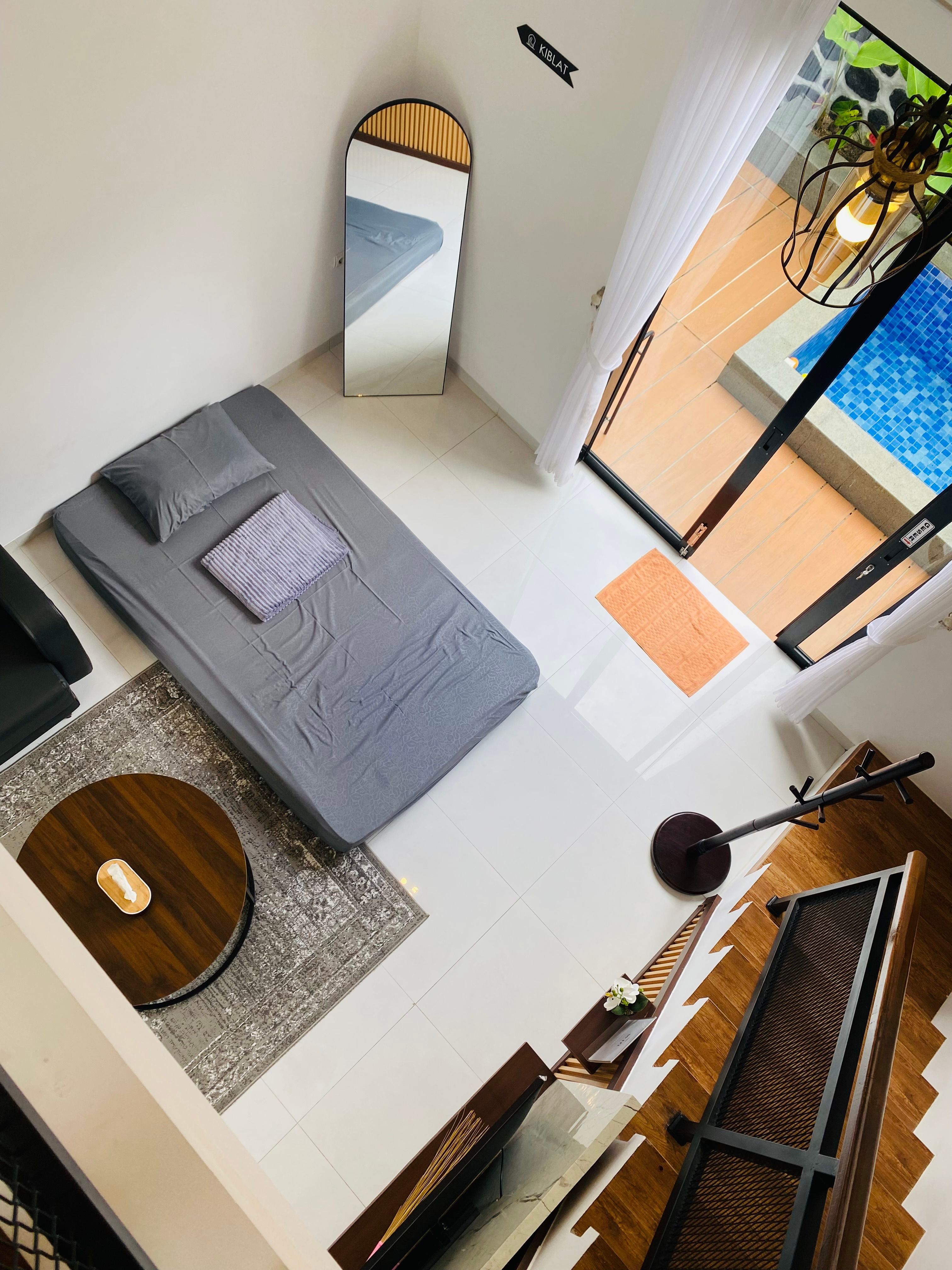
Most modern apartments have ceilings in the 8 to 9 foot range, which comfortably clears the vast majority of home gym equipment. Older buildings and converted units, though, can run as low as 7 feet — and that's where things get tight. If you don't already know your ceiling height, it's worth measuring before you shop rather than assuming. A cheap tape measure and two minutes will save you a return shipping label later.
Pull-Up Bars: The Most Common Clearance Mistake
A doorframe pull-up bar itself takes up almost no vertical space, but the movement does — you need enough room above the bar for your head to clear at full extension, plus a few inches of margin so you're not stopping short out of fear of hitting the ceiling. In a genuinely low-ceiling apartment (under 7.5 ft), this can turn a full pull-up into an awkward half-rep. If you're tall or your ceilings run low, measure from the bar's mounting height to the ceiling, then add your own height plus reach before assuming it'll work. See our Best No-Drill Pull-Up Bars guide for models and their exact mounting height ranges.
Squat Racks and Pull-Up Attachments**
A squat rack alone is rarely the ceiling problem — it's the pull-up bar attachment on top of it. Combined height (rack plus attachment) can run anywhere from 80 to 90+ inches depending on the model, and that's before accounting for the same headroom-for-movement issue above. If you're considering a foldable rack with a pull-up option, check the manufacturer's total height spec, not just the rack's base height. Our Foldable Squat Racks roundup lists height specs for each model — worth a second look through that lens if ceiling clearance wasn't on your radar the first time.
Suspension Trainers: Less About Height, More About Anchor Point**
Suspension trainers like TRX-style systems are more forgiving on ceiling height since they anchor to a door rather than needing overhead clearance in the traditional sense. That said, some overhead movements (like certain rows or presses) do require enough vertical room to fully extend without your hands hitting a door frame or low ceiling above the anchor point. See our Best Suspension Trainer (No Wall Mount) guide for anchor height considerations.
A Quick Way to Check Before You Buy**
Measure your ceiling height in the specific spot you plan to use, not just anywhere in the room — older apartments sometimes have uneven ceiling heights across a single room due to dropped sections or ductwork. Then check the product's total height spec (not just its footprint), and add a margin of at least 6-8 inches for actual movement clearance, not just static fit. If a listing only gives floor footprint dimensions and skips height entirely, that's usually a sign to look elsewhere or contact the seller directly before ordering.