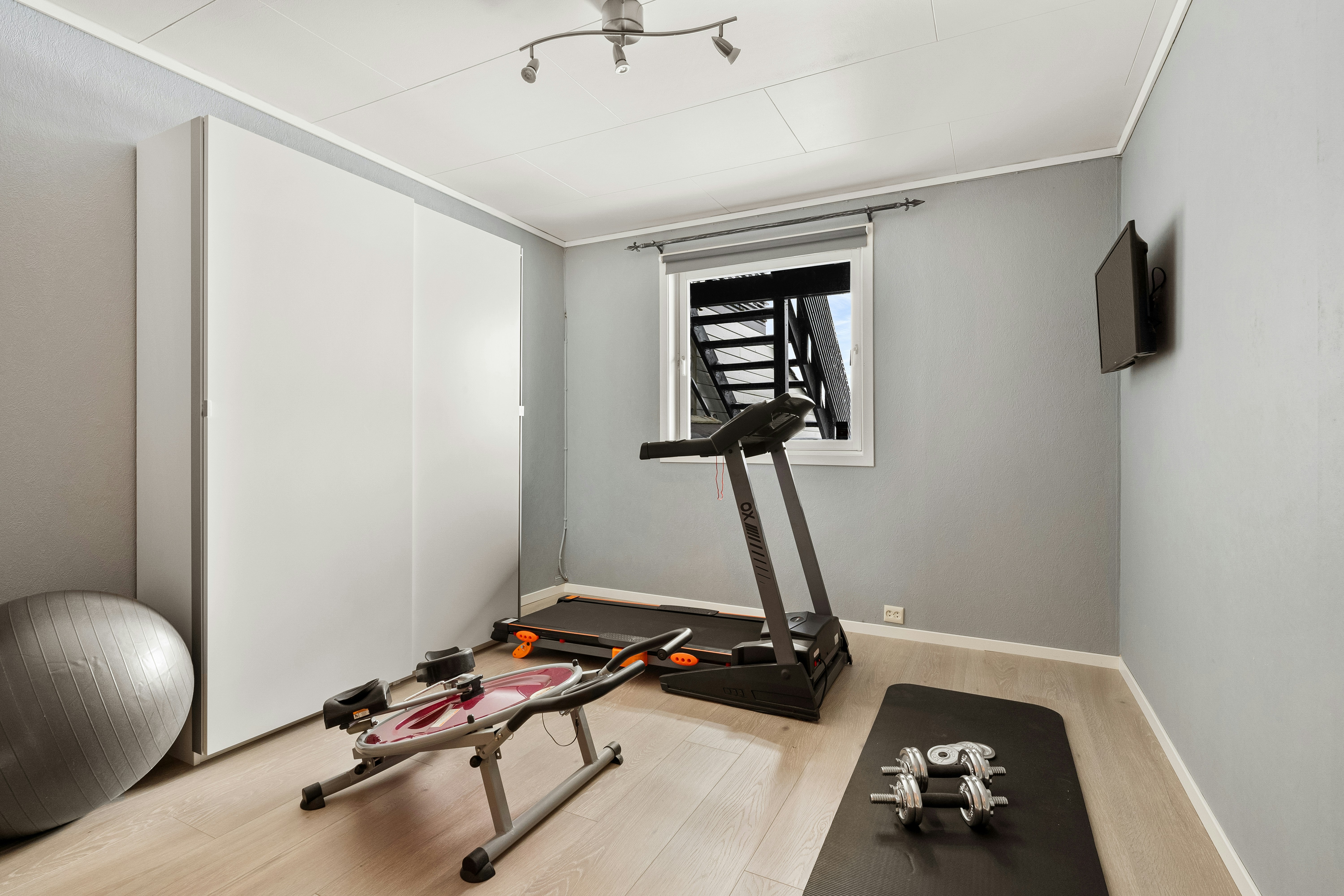
In a studio apartment, workout storage is not a separate room problem. It is part of the same visual field as the bed, desk, kitchen, and front door. The goal is not to hide every sign of exercise. It is to give each item a stable home, keep heavy gear safe, and make the transition between living mode and workout mode fast enough that the routine actually happens.
Start with a two-minute reset rule
A storage system succeeds when you can clear the workout area in two minutes without lifting awkward equipment over furniture. Mark the workout footprint, then identify the shortest safe path from that space to storage. Frequently used items should require the fewest steps.
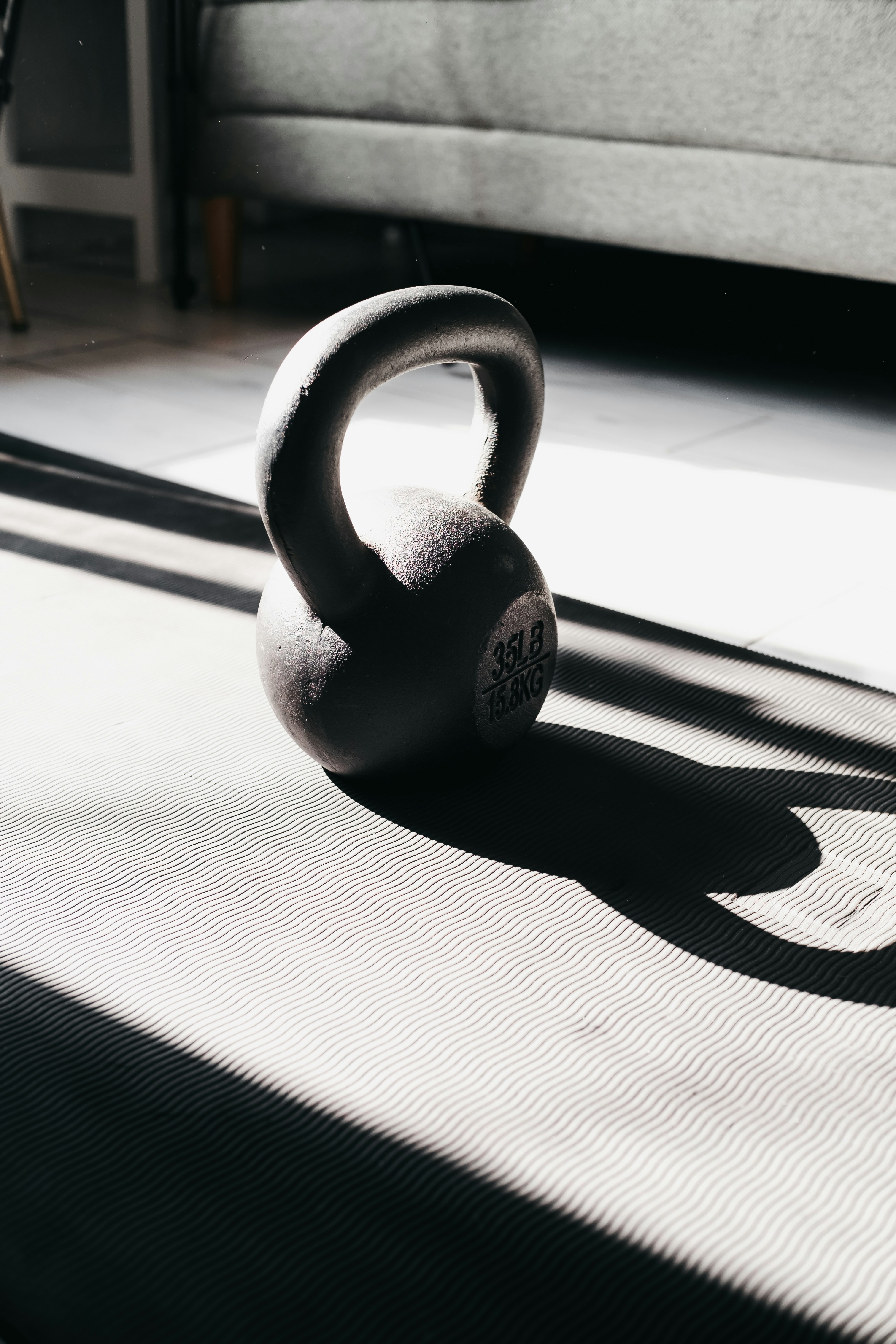
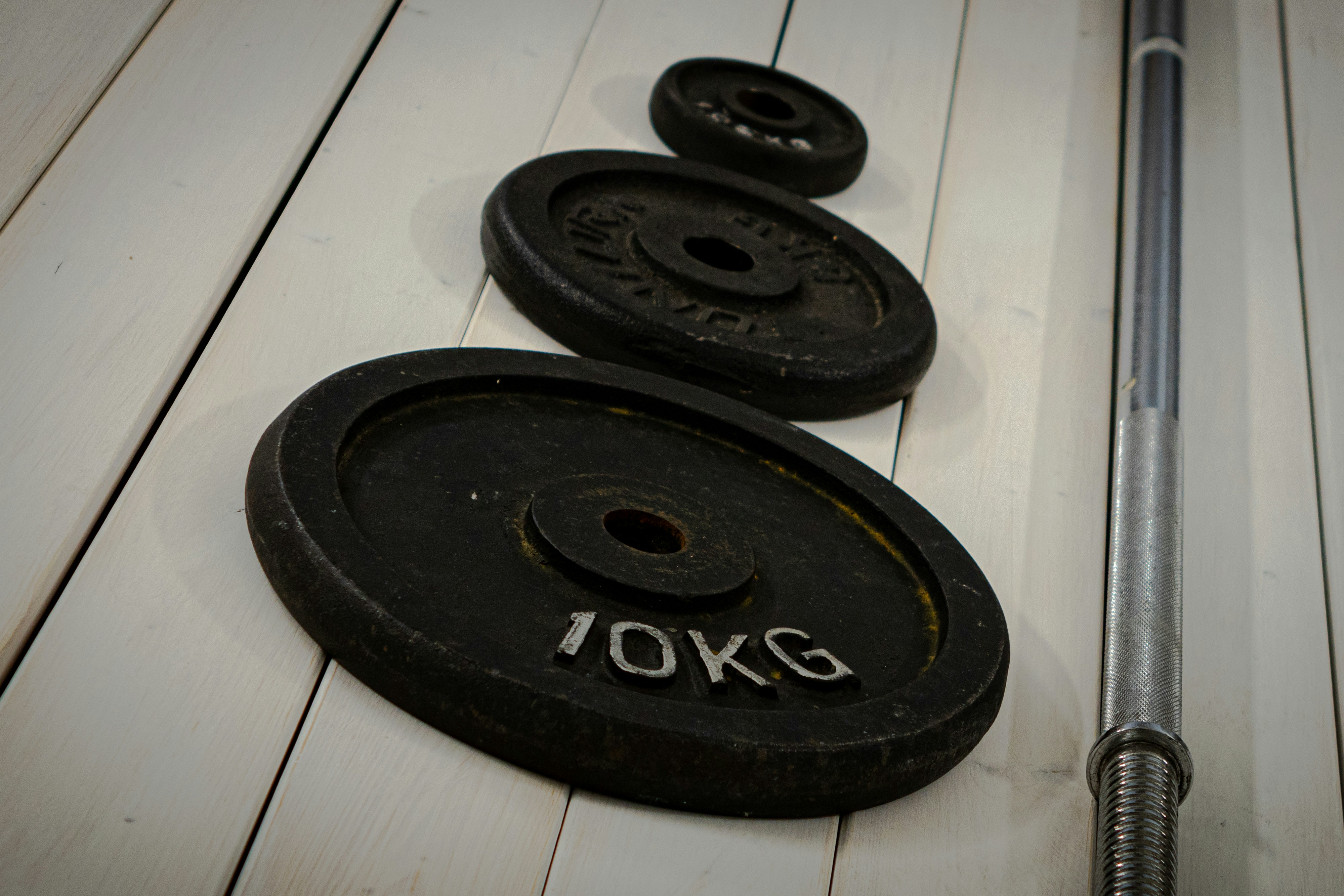
Do not store heavy equipment above shoulder height. Adjustable dumbbells, kettlebells, and plates belong low, ideally on the floor or a rated stand. High shelves are for bands, towels, and light recovery tools.
Comparison table
| Product | Price | Renter Use | Apartment Benefit | Caution |
|---|---|---|---|---|
| Wall Control Metal Pegboard Kit | $75–$140 | Shallow vertical organization | Reconfigurable hooks | Mounting may need approval |
| Three-Tier Rolling Utility Cart | $35–$70 | Moves with the workout | Separates small accessories | Bands must stay clear of wheels |
| SONGMICS Storage Ottoman | $45–$90 | Hides soft gear | Doubles as seating | Not rated for loose weights |
| Compact Vertical Dumbbell Stand | $70–$150 | Uses vertical footprint | Keeps weights organized | Compatibility varies |
Details above are editorial summaries and approximate street prices at the time of writing — confirm specifics on each current listing.
Use vertical space for light equipment
A renter-friendly pegboard can organize handles, bands, jump ropes, collars, and cleaning supplies within a shallow wall footprint. Freestanding pegboard panels or carefully approved picture-hanging systems avoid the large anchors required by weight storage. Never hang dumbbells from a decorative board.
Group items by routine rather than by appearance. Put warm-up bands together, recovery tools together, and machine accessories together. The less searching required, the easier it is to begin and finish a session.
Turn a rolling cart into a mobile warm-up station
A narrow utility cart works well for bands, ankle straps, sliders, massage balls, and small electronics. Roll it beside the workout zone, then return it next to a desk or into a closet. Locking casters prevent the cart from moving when you pull an item free.
Keep the heaviest items on the bottom shelf and avoid loose resistance bands near wheels. Use small bins so handles and cords do not become tangled. A cart is most useful when it remains light enough to move with one hand.
Choose furniture that can hold soft gear
A storage ottoman or bench can contain a mat, yoga blocks, towels, and foam rollers while functioning as everyday seating. Check internal dimensions before buying; many attractive ottomans are too short for a standard rolled mat. Ventilate anything damp before closing the lid.
Do not place loose heavy weights inside furniture that is not rated for them. A shifting dumbbell can damage the base or injure someone opening the lid. Soft gear and light accessories are the safe category.
Give dumbbells a permanent low zone
Adjustable dumbbells should stay in their cradles on a level surface. A low console opening, dedicated stand, or protected corner beside a sturdy cabinet can work. Leave enough room to approach the handles squarely instead of lifting while twisted.
If the cradles slide, use a dense non-slip layer beneath them. Avoid deep closets where retrieving the pair means moving several boxes. Heavy equipment is safest and most useful when it has a permanent low address.
Store benches by measured folded dimensions
Folding is only helpful when the folded bench fits somewhere. Measure under-bed height, closet depth, and the clearance behind a door before selecting a model. Include adjustment knobs and feet; manufacturer diagrams sometimes emphasize the main frame while hardware extends farther.
Use a wall bumper or floor pad where the folded bench rests. Secure it against tipping, especially around children or pets. Do not lean a bench against a door that could be opened from the other side.
Create one visible, intentional fitness moment
A studio does not need to erase fitness completely. One attractive basket, a neatly rolled mat, or a pair of well-designed dumbbells can look intentional. Visual calm comes from repetition and boundaries: matching containers, clear surfaces, and no loose accessories crossing the room.
Review the system every month. If an item repeatedly stays out, its assigned home is too inconvenient. Move the storage closer or decide whether the item earns the space at all.
Run the renter-friendly test
Before adopting any apartment fitness idea, ask four questions: Is it reversible? Is it quiet? Does it protect the unit? Can one person reset it safely? A solution that fails one of those tests may still work, but it needs a written plan, landlord approval, or a different location.
Document floor and wall condition, keep exits clear, and avoid relying on improvised anchors or furniture that is not load-rated. Small-space creativity is valuable only when the result remains safe for the building and the people living in it.