Most landlords do not object to exercise itself. They care about damage, noise complaints, blocked exits, structural changes, and equipment that creates unusual risk. A renter-friendly gym is therefore less about asking whether weights are allowed and more about showing that the setup is reversible, quiet, protected, and consistent with the lease.
Read the lease before buying
Look for clauses covering alterations, nuisance noise, floor coverings, weight or commercial-use restrictions, and insurance. Leases rarely say adjustable dumbbell, but they often contain broad language that applies to drilling, repeated impact, or disturbing neighbors. Building rules and condominium association rules can add another layer even when the landlord is personally relaxed.
Write down questions instead of relying on a casual hallway conversation. An email creates a clear record. Describe the equipment, where it will sit, whether anything attaches to the building, and how you will protect the floor. Specific plans are easier to approve than the vague phrase home gym.
Comparison table
| Product | Price | Renter Use | Apartment Benefit | Caution |
|---|---|---|---|---|
| Yes4All Silencer Drop Pads | $138.50 | Spreads contact pressure | Protects finish flooring | May need a floor-safe barrier |
| Wintogo Deadlift Silencer Drop Pads (Pair) | $95.99 | Reduces accidental impact | Portable and reversible | Not permission to drop weights |
| GymCope Large Exercise Mat for Home Workouts | $154.95 | One-piece floor protection | Easy to inspect underneath | Must match flooring chemistry |
Details above are editorial summaries and approximate street prices at the time of writing — confirm specifics on each current listing.
Portable equipment is usually the easy category
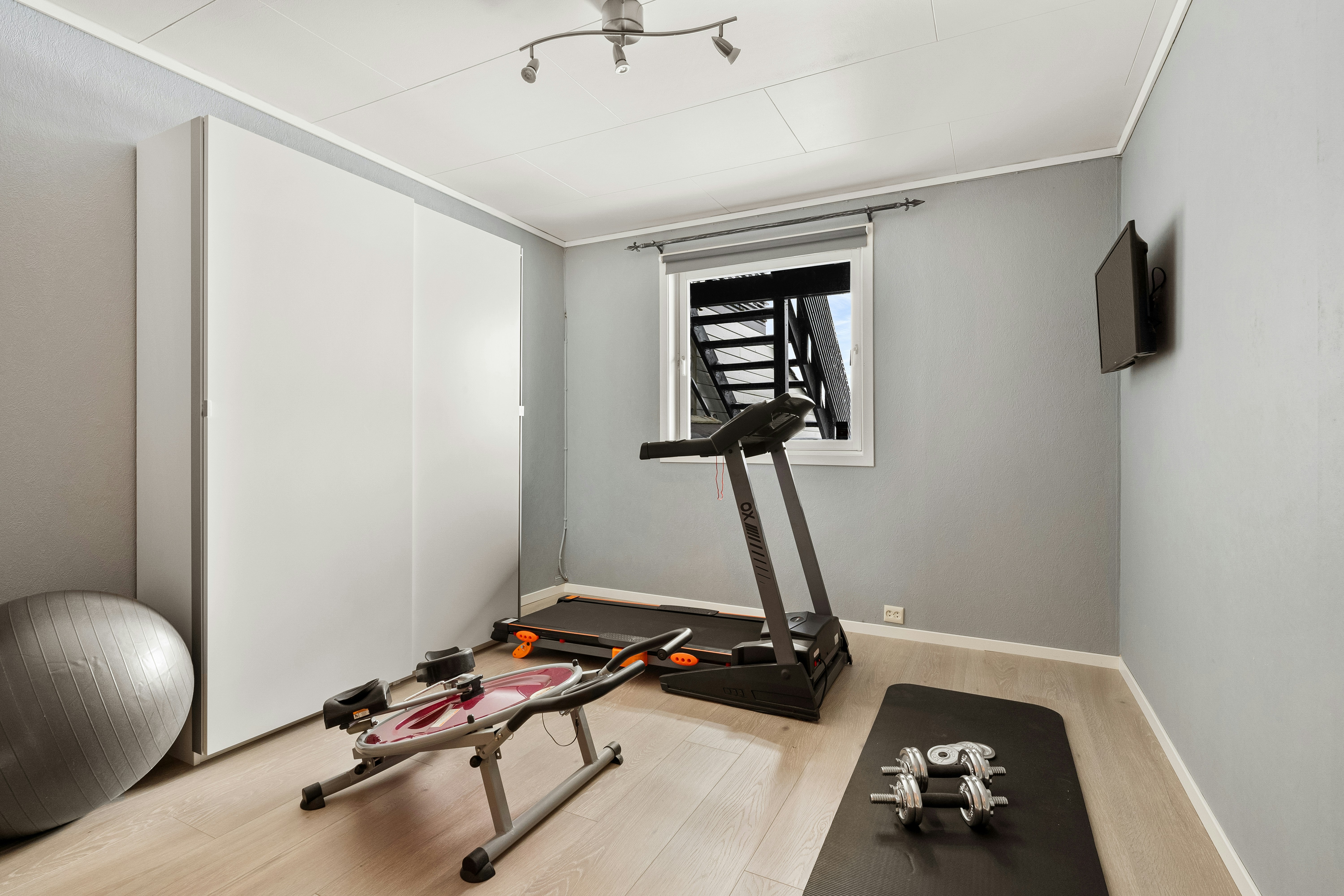
Resistance bands, yoga mats, compact cardio units, adjustable dumbbells, and folding benches are generally treated like ordinary personal property. They do not alter the unit and can leave when you do. Problems arise when heavy cradles dent soft flooring, a bench tears carpet, or weights are dropped.
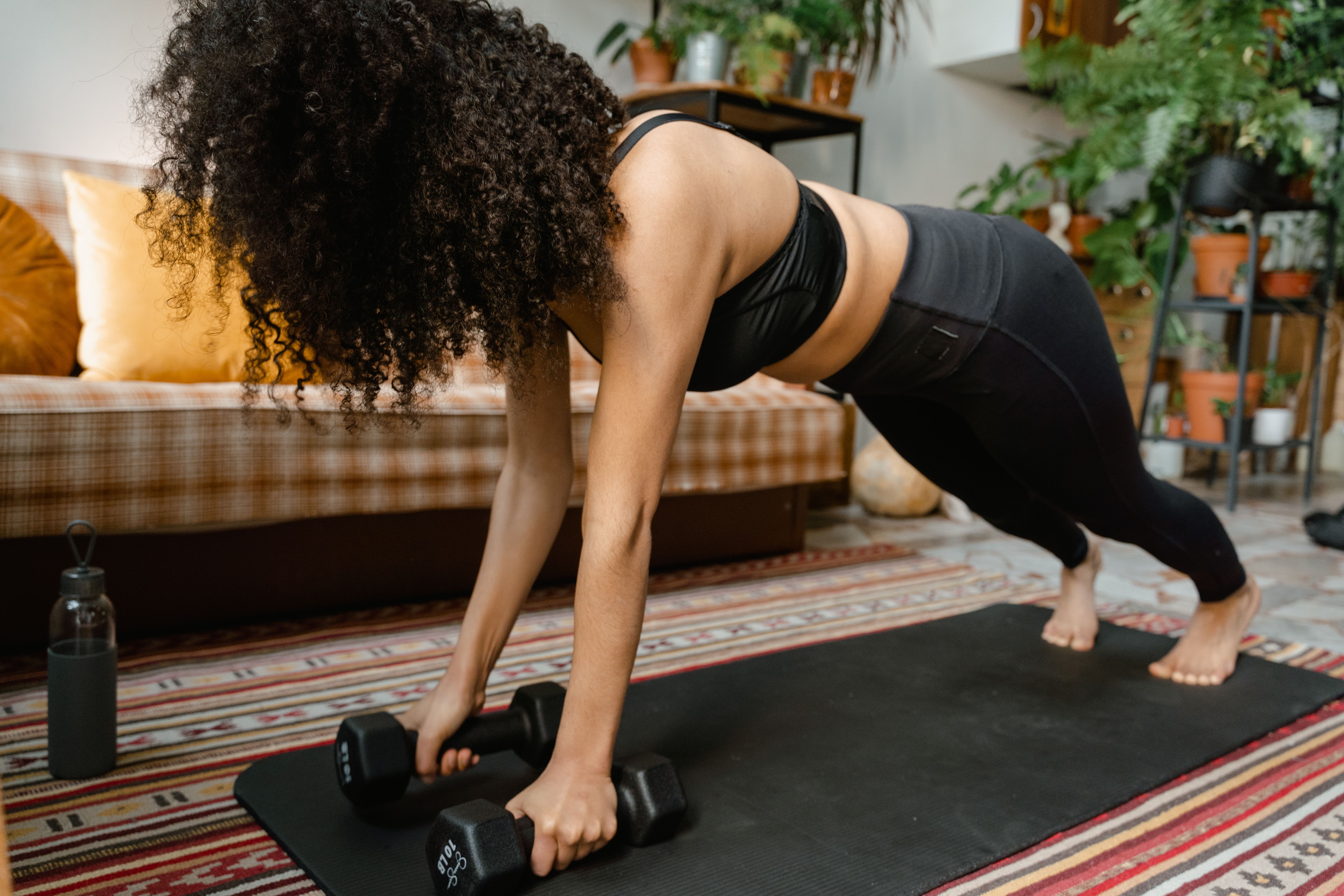
Use dense mats under contact points and inspect underneath periodically. Trapped moisture or grit can damage wood even when the top looks protected. Keep equipment away from radiators, sprinklers, and required exit paths.
Wall-mounted racks need written approval
A folding rack, pull-up bar, or wall storage system can involve structural anchors. Never assume that patching holes later makes the installation acceptable. Metal studs, post-tension concrete, hidden utilities, and fire-rated walls all create risks beyond the visible drywall.
If the landlord is open to the idea, propose professional installation and agree on restoration expectations in writing. If approval is denied, use freestanding alternatives. A less compact stand is still cheaper than repairing structural damage or losing a security deposit.
Noise is the issue most likely to create a complaint
A neighbor does not hear the motivational playlist the same way you do; they hear repeated thumps, rattling plates, and machine vibration through the structure. Structure-borne sound can feel louder in the unit below than it does in your room. Quiet hours in the lease are only the minimum standard.
Choose magnetic resistance cardio, use controlled strength repetitions, and avoid jumps or dropped weights. Ask a neighbor whether a proposed training window is disruptive. A short conversation and consistent schedule often prevent escalation to property management.
Protect the floor and document the condition
Photograph the floor before setting up equipment, especially existing scratches or soft spots. Use a mat appropriate to the flooring type; some rubber compounds can discolor vinyl or finished wood, so include a compatible barrier when required. Spread heavy contact points rather than placing a narrow metal foot directly on finish flooring.
Check the setup monthly. Bench feet can migrate off mats, condensation can collect under cardio equipment, and grit can work beneath tiles. Early correction is easier than explaining a permanent mark at move-out.
Insurance and personal responsibility
Renter's insurance may cover personal property or liability, but policies differ. A very expensive equipment collection may need documentation or additional coverage. Insurance does not turn an unsafe installation into an acceptable one, and it will not necessarily cover intentional lease violations.
Keep receipts, model numbers, and photos. Follow manufacturer assembly and maintenance instructions. If someone else uses the equipment, make sure the setup is stable and clear of surrounding furniture. The renter remains responsible for the condition of the unit.
How to ask for approval
Send a concise plan: equipment list, total area, floor protection, hours of use, and whether any drilling is proposed. Include product installation documents for wall-mounted equipment. Offer a no-drill alternative if the first plan is declined.
A good request communicates that the apartment remains a home. Explain that equipment will be stored neatly, exits remain clear, and no clients or paid training will occur. Commercial activity is a different lease issue from personal exercise.
Run the renter-friendly test
Before adopting any apartment fitness idea, ask four questions: Is it reversible? Is it quiet? Does it protect the unit? Can one person reset it safely? A solution that fails one of those tests may still work, but it needs a written plan, landlord approval, or a different location.
Document floor and wall condition, keep exits clear, and avoid relying on improvised anchors or furniture that is not load-rated. Small-space creativity is valuable only when the result remains safe for the building and the people living in it.