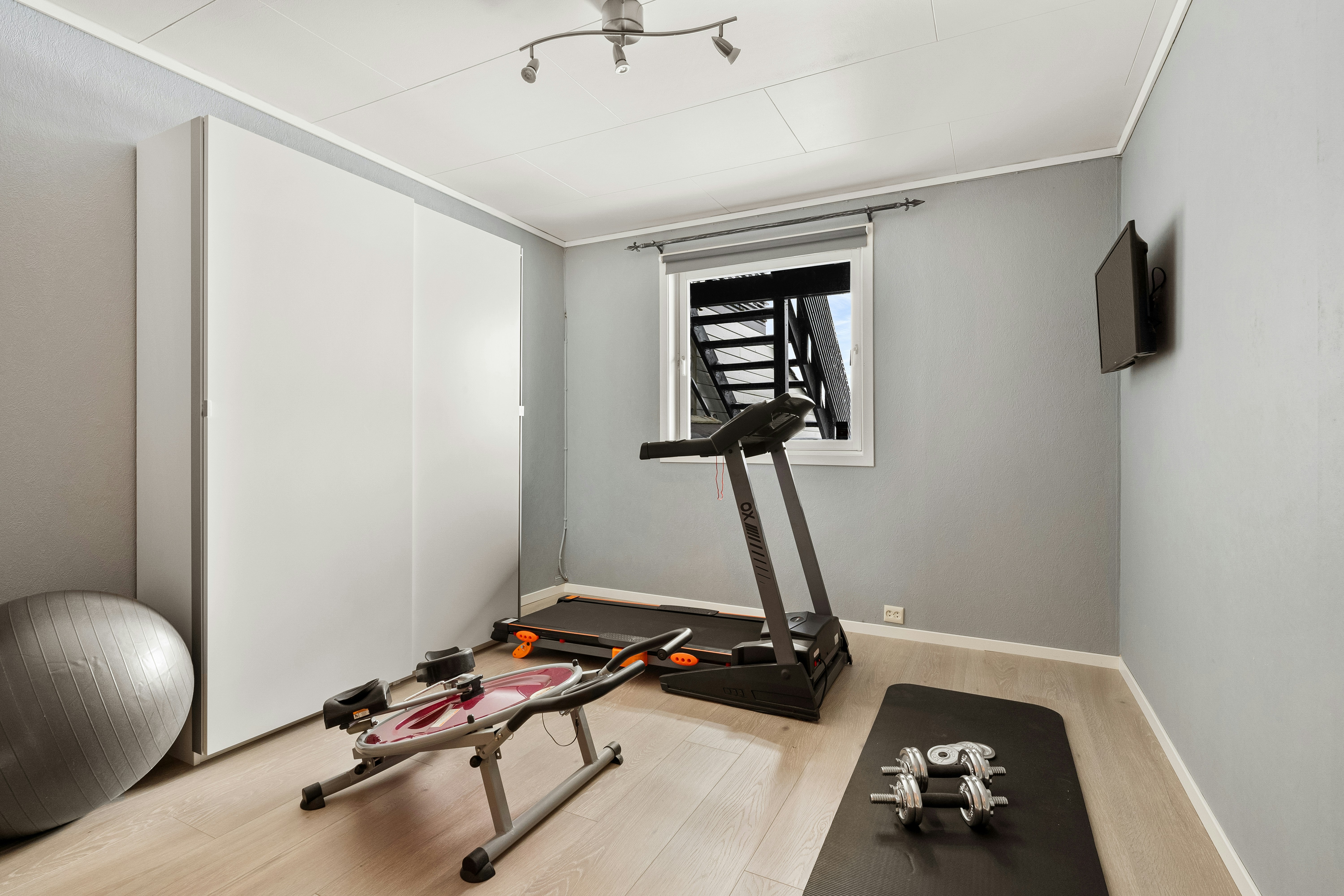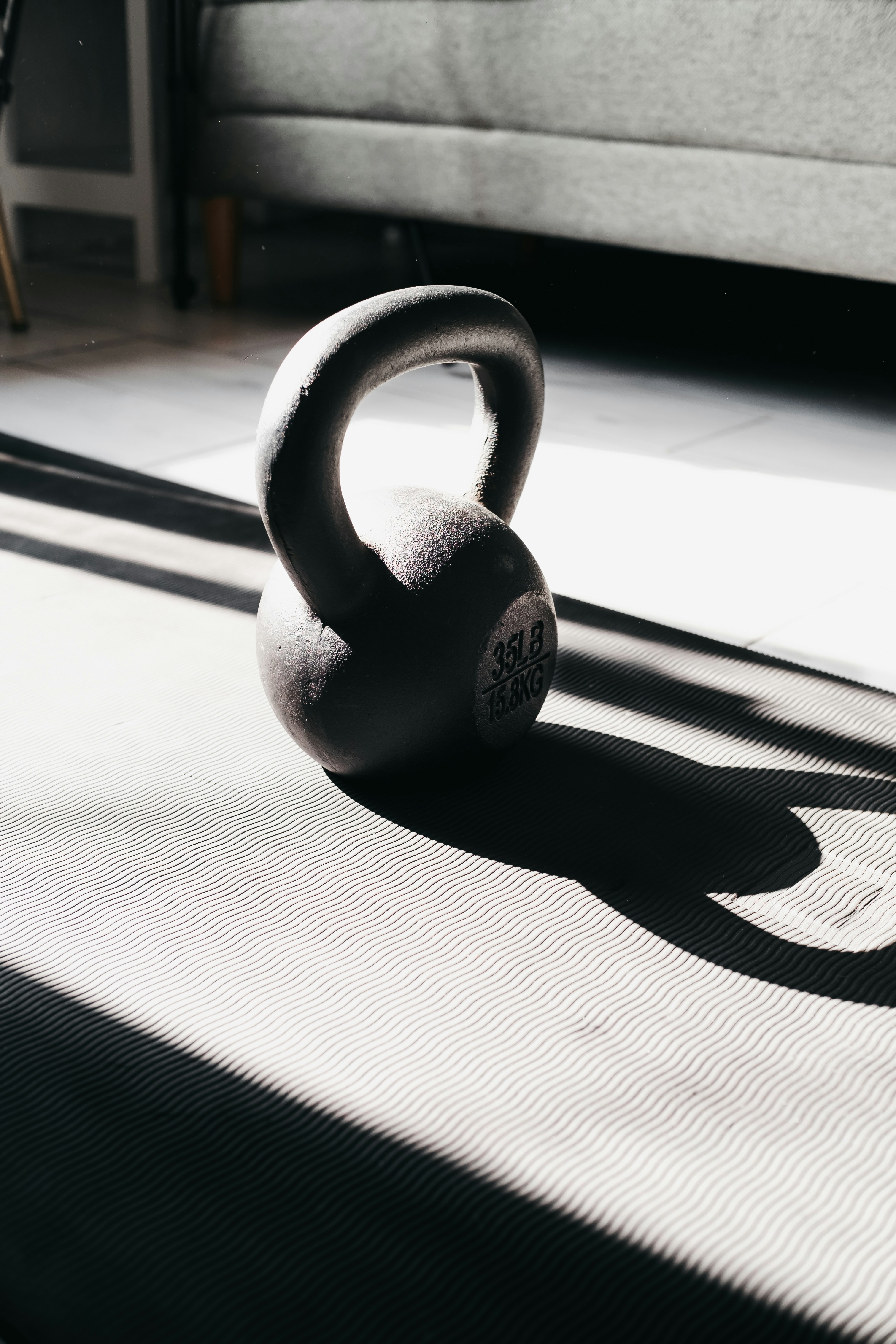
There's a specific kind of resistance that shows up when your gym and your bedroom are the same 400 square feet. It's not about equipment or noise or floor space — it's psychological, and almost nobody talks about it. You can buy the perfect foldable rower and the quietest resistance bands on the market and still find yourself staring at your own kettlebell from under the covers, negotiating.
The room doesn't know the difference
Your brain associates spaces with states. Bedrooms mean rest. Offices mean focus. Kitchens mean either nourishment or procrastination, depending on the day. When you cram a workout space into a room that's already emotionally coded as "wind down here," you're not just solving a real estate problem — you're asking one room to hold two contradictory jobs at once.
This is why so many apartment dwellers report the same weird experience: the equipment sits untouched for weeks, not because they don't have time, but because some part of them can't switch the room's mode. The gym becomes furniture. Expensive, guilt-inducing furniture.
What actually works isn't more space — it's a smaller signal
The people who train consistently in tiny apartments tend to share one habit: they created a tiny, repeatable ritual that flips the room's mode before the workout starts. Rolling out a single mat. Moving one chair. Putting on specific shoes that only exist for training, never for walking around the apartment.
None of this is about the equipment. A mat that lives rolled up in the corner and only unrolls for a workout does more psychological work than a $400 rack bolted to nothing, because unrolling it is a decision your body recognizes before your mind catches up.
If you've read our piece on training inside a 6x6 corner, this is the missing piece that article didn't have room for: the layout matters less than the ritual that turns the layout on.
The other thing nobody says out loud
Working out where you sleep means your worst workouts and your best rest are separated by inches, not walls. Some nights, after a hard session, your nervous system is still keyed up in a room that's supposed to be telling it to shut down. This isn't a reason to avoid home training — it's a reason to give the workout a hard stop, not a soft fade.
Close the ritual the same way you opened it. Roll the mat back up. Put the shoes away. Small, boring, physical acts of putting the "gym" back in its box, so the room can go back to being a bedroom again before your head hits the pillow.