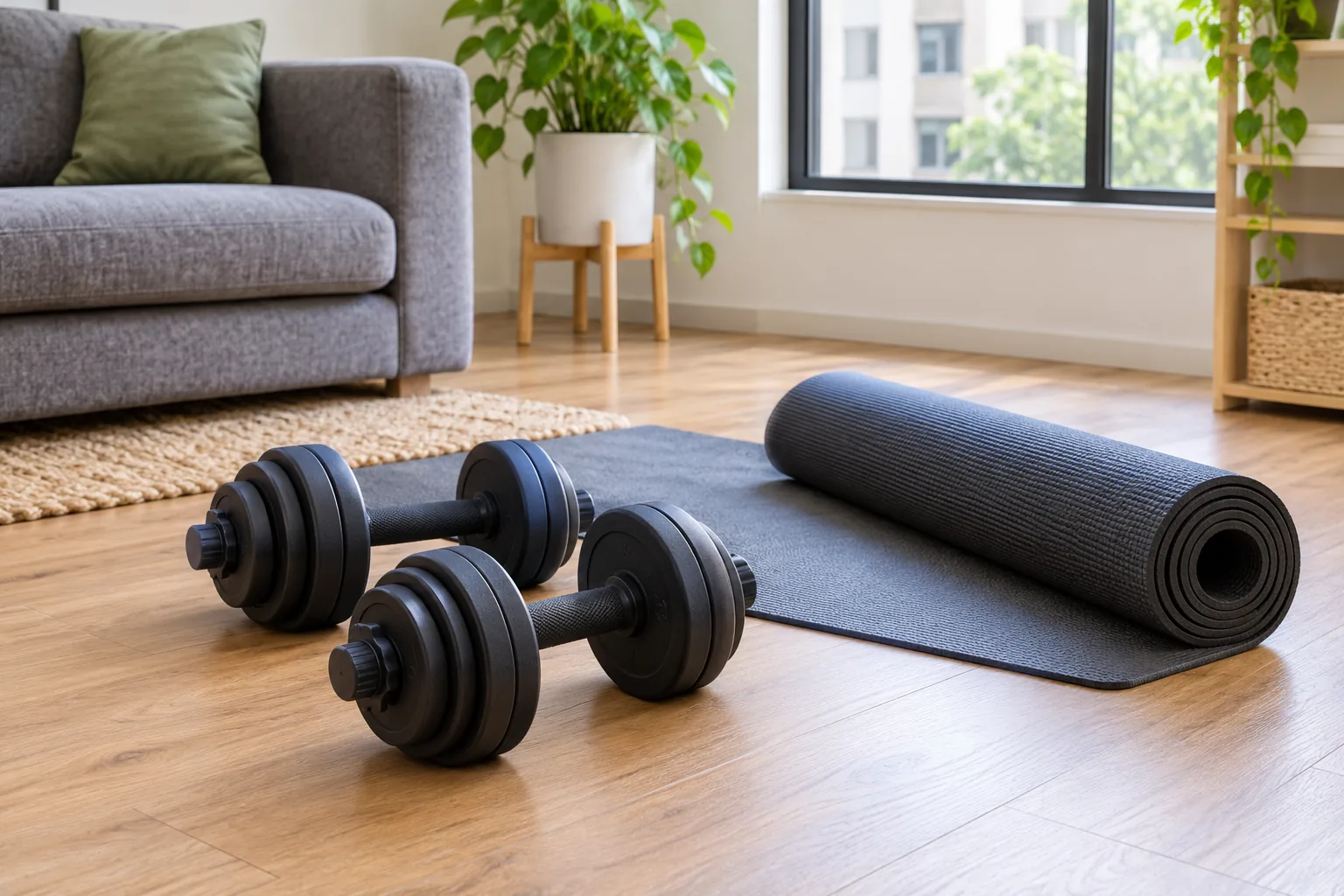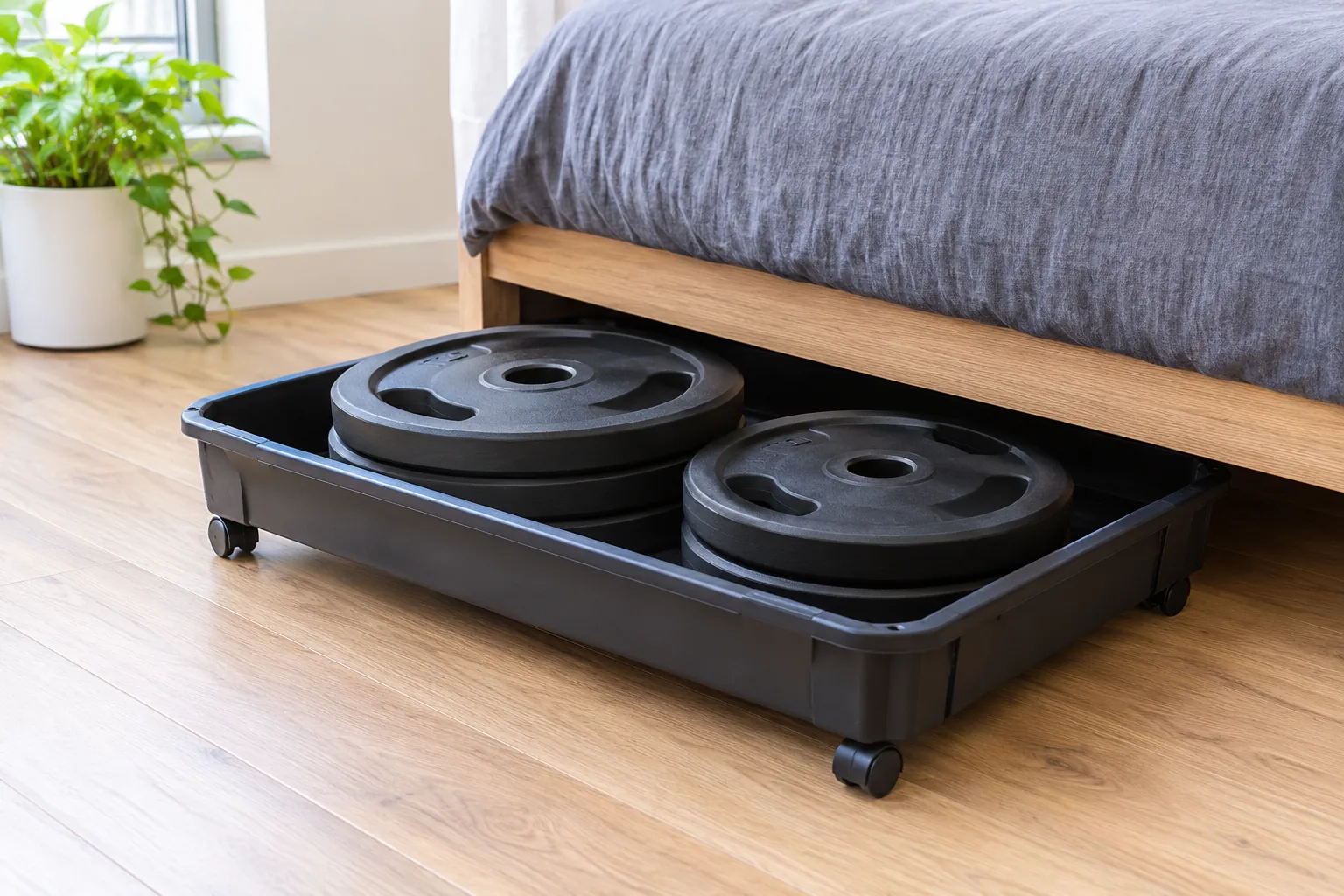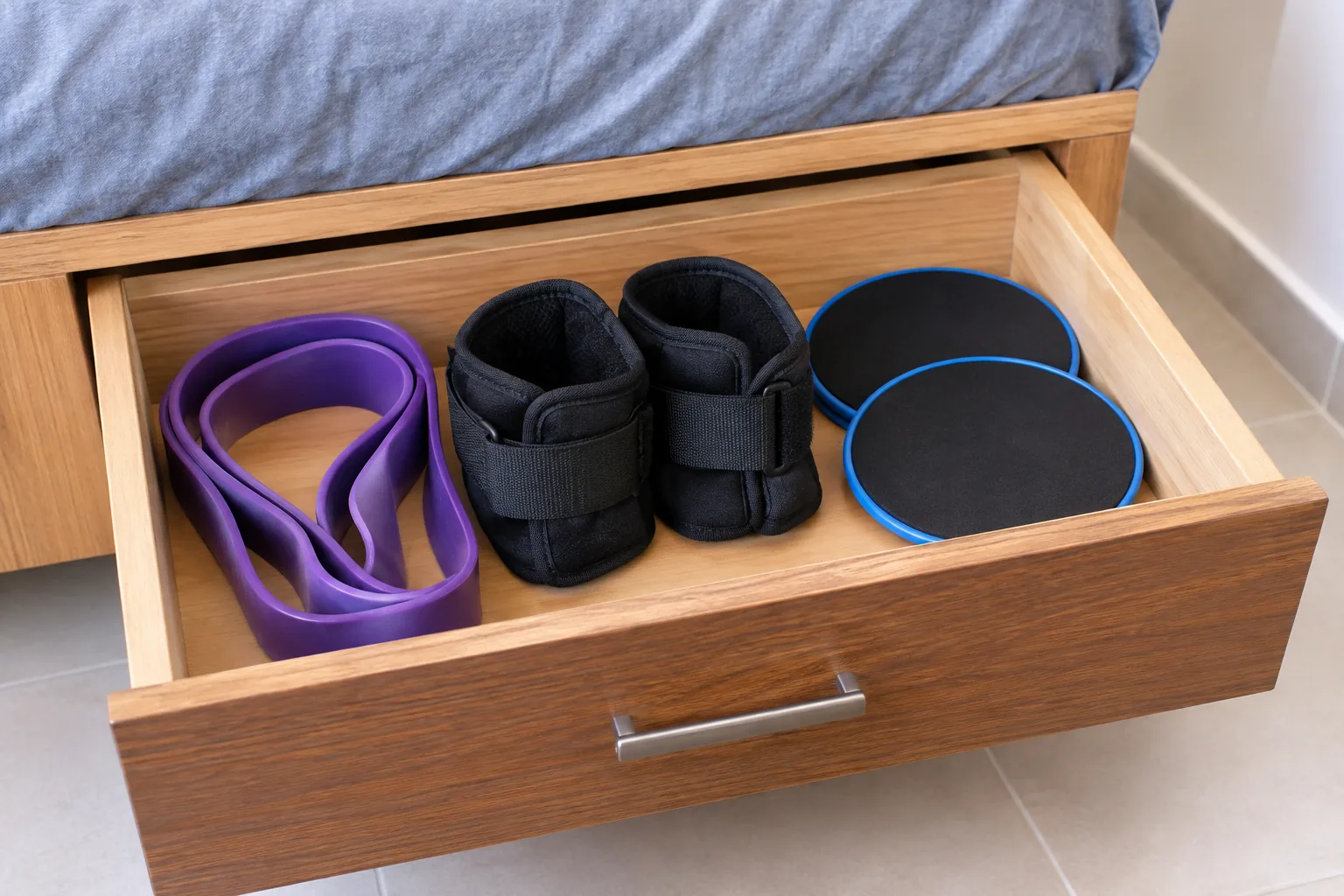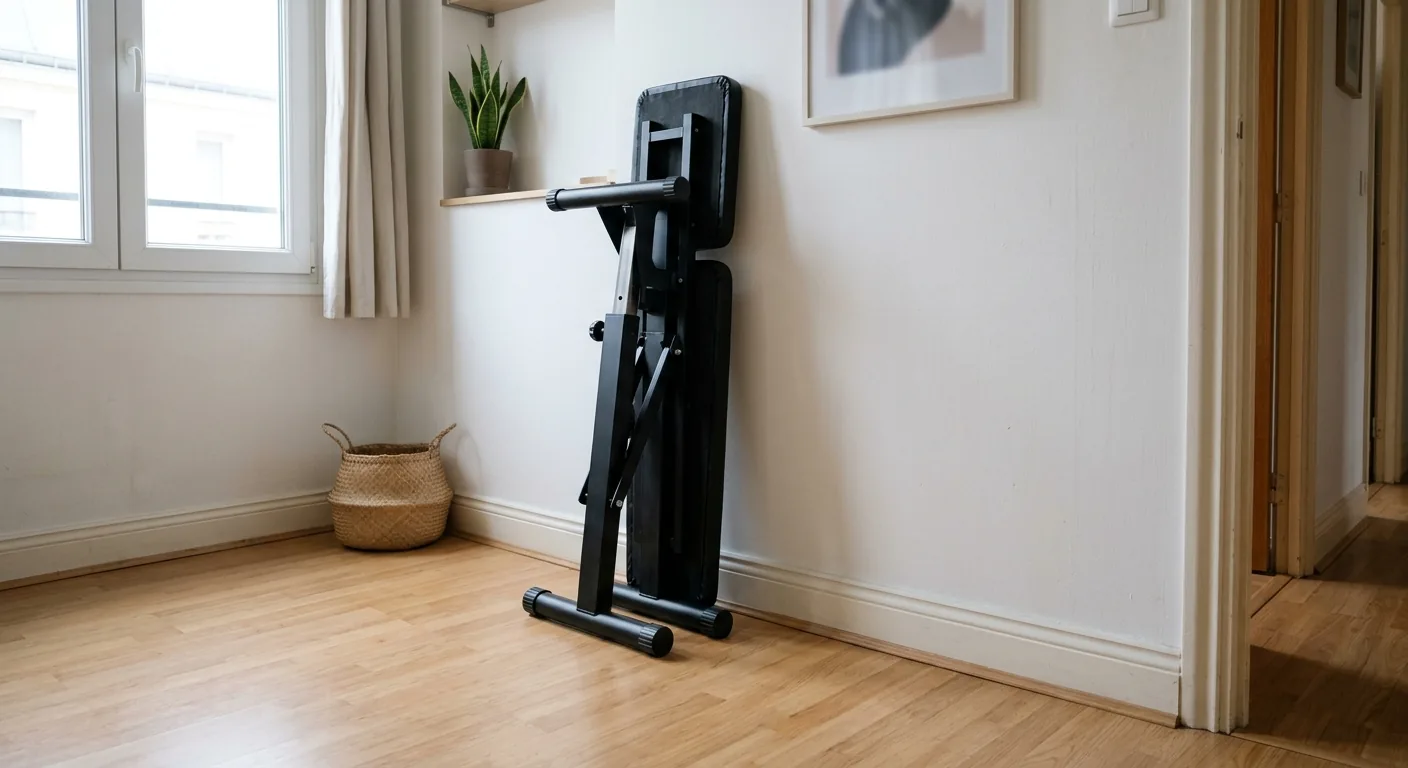
Pair adjustable dumbbells with a real bench and you cover most of what a full home gym does — presses, rows, step-ups, core work. The problem was always storage: a standard bench doesn't fold, doesn't stand up against a wall, and eats a permanent chunk of floor space. That's changed. The current generation of folding adjustable benches genuinely disappears into a closet or behind a door, without giving up the weight capacity or adjustability serious lifters need.
Quick answer
The FLYBIRD WB6 is the strongest all-around pick -- 880 lb rated capacity, 8 backrest positions, and a folded footprint under 1 square foot, arriving 99% pre-assembled. If you want a slightly more budget-friendly option with a genuinely wall-storable fold, the AIRHOP Upgraded Adjustable Weight Bench folds down to about 8.6 inches thick. For the longest backrest in the lineup -- built for taller lifters who feel cramped on shorter benches -- the FLYBIRD WB5 is ASTM-certified and rated to 800 lbs, with full incline-decline range.
Comparison table
| Product | Price | Weight Capacity | Storage Footprint | Adjustment |
|---|---|---|---|---|
| FLYBIRD WB6 Adjustable Weight Bench | $130–$180 | 880 lb | ~0.91 sq ft folded | 8 backrest / 3 seat positions |
| AIRHOP Upgraded Adjustable Weight Bench | $80–$130 | 800 lb | ~8.6 in thick, wall-storable | 8 backrest / 3 seat positions |
| FLYBIRD WB5 Weight Bench | $140–$170 | 800 lb | Standard fold | 30in extended backrest |
Details above are editorial summaries and approximate street prices at the time of writing — confirm specifics on each current listing.
What actually separates a good apartment bench from a bad one
Folded thickness matters more than most spec sheets emphasize -- a bench that folds to under 10 inches can lean flat against a wall or slide under a bed, while one that folds to 15+ inches effectively still needs its own floor space. Pre-assembly percentage is a genuine convenience factor too, since a bench arriving 95%+ assembled means you're training the same day it arrives rather than spending an evening with an Allen wrench. Weight capacity should comfortably exceed your body weight plus the heaviest load you'll press or row -- 800 lb capacity covers the vast majority of home lifters with real margin.
How to choose for an apartment specifically
If floor space when stored is your top priority, look specifically at folded dimensions in inches, not just 'foldable' as a feature claim -- some benches fold to a bulky rectangle rather than a slim profile. Pair any bench with a mat underneath (see our flooring guide) since a loaded bench under heavy pressing can shift or mark flooring without one. A bench plus a set of adjustable dumbbells is genuinely enough equipment for a complete strength program in an apartment -- you don't need a rack to get real results.
Bench pressing without a rack -- is it actually safe?
Most apartment strength setups pair a bench like this with dumbbells rather than a barbell and rack, and that's not just a space-saving choice -- it's also the safer one. Dumbbell pressing is self-spotting in a way barbell bench press isn't: if a rep fails, you drop each dumbbell out to the side instead of getting pinned under a loaded bar with nobody around to help.
If you do want to work up to barbell bench press without a dedicated spotter, you need something with adjustable safety catches built for that purpose -- a power tower or squat stand, not a bare bench on its own. Training solo with a barbell and no safety catches past a moderate, confidently-controlled weight is the one place we'd actually tell you to slow down rather than push for a heavier set.