Every strength plateau in a home gym gets blamed on the same thing: not enough weight. Sometimes that's true. More often, someone's about to spend real money on heavier adjustable dumbbells or a second kettlebell to fix a problem that a rep-scheme change would have solved for free. This isn't a generic "how much weight should you lift" article — that depends on you, your goals, and your training experience. It's specifically about how to tell, with a fixed and limited set of equipment in a small space, whether the fix is genuinely more weight, or something else entirely.
Three ways to add difficulty without adding weight
Before assuming you need heavier equipment, there are three free ways to make the same weight harder, and most lifters only ever use one of them.
Tempo: slowing the lowering phase of a movement to three or four seconds turns a set that felt easy into one that isn't, using the exact same dumbbells or kettlebell you already own.
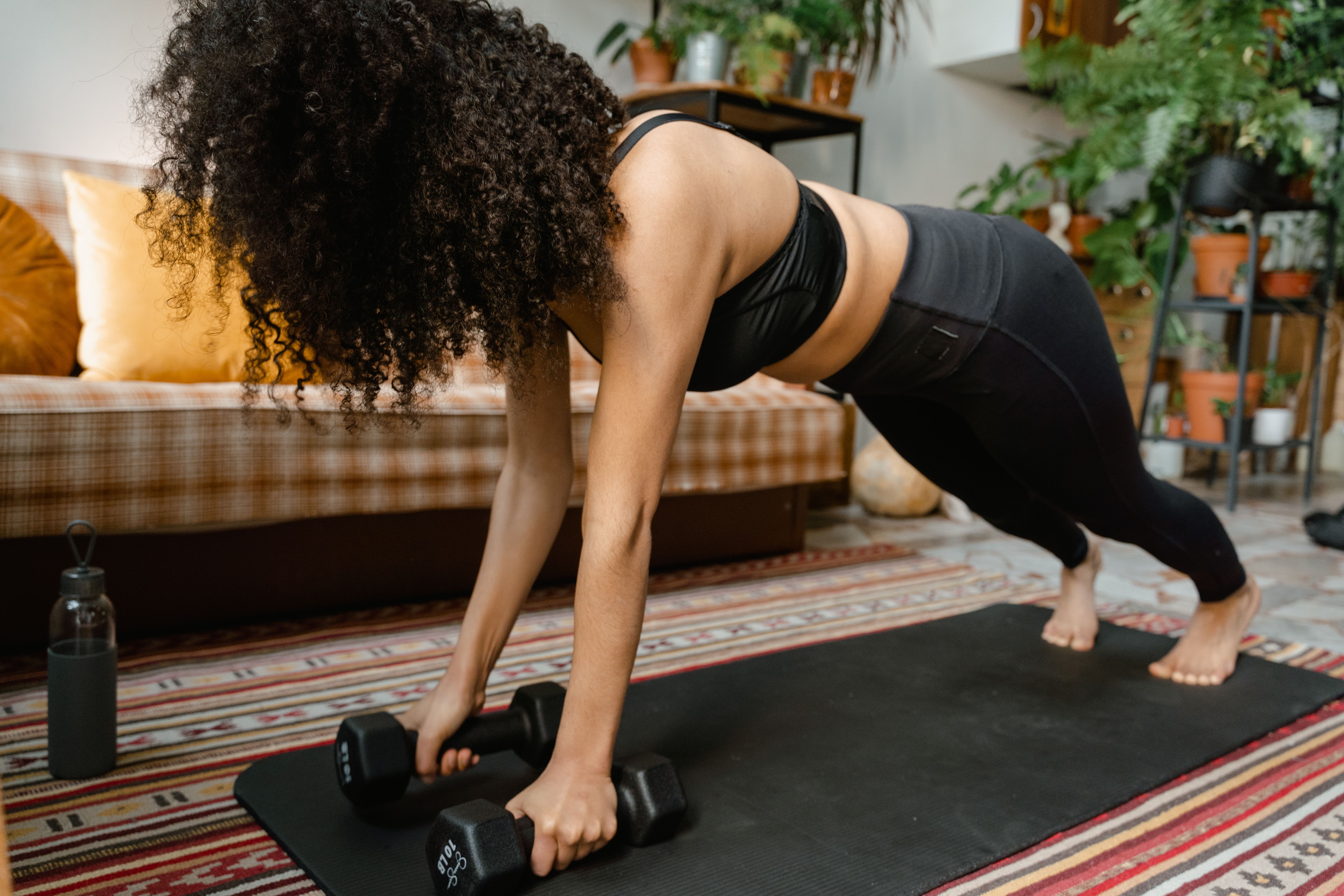
Unilateral loading: a single-arm row or a split squat with one dumbbell effectively doubles the resistance per limb compared to doing both sides at once with the same weight, since that limb is doing all the work alone instead of splitting it with the other side.
Density: reducing rest between sets, or adding an extra set, increases total work done in the same session without touching the number on the weight at all — this is often the actual fix when someone feels like they've outgrown their equipment after only a few weeks.
The actual signal you've hit a ceiling
The real test isn't whether a set felt easy once. It's whether, after genuinely applying slower tempo, unilateral work, and reduced rest across several sessions in a row, you're still finishing every set several reps short of failure with clean form. That's the point where more resistance is the honest answer — not the first workout that happened to feel manageable.
Where bands, kettlebells, and dumbbells each hit their own wall
Resistance bands provide accommodating resistance — light at the start of a rep, heaviest at the end — which is genuinely underrated for beginners but breaks down for movements that need consistent load through a full range of motion, like a goblet squat or a strict overhead press. That's usually the point where a shift to free weight makes more sense than a heavier band.
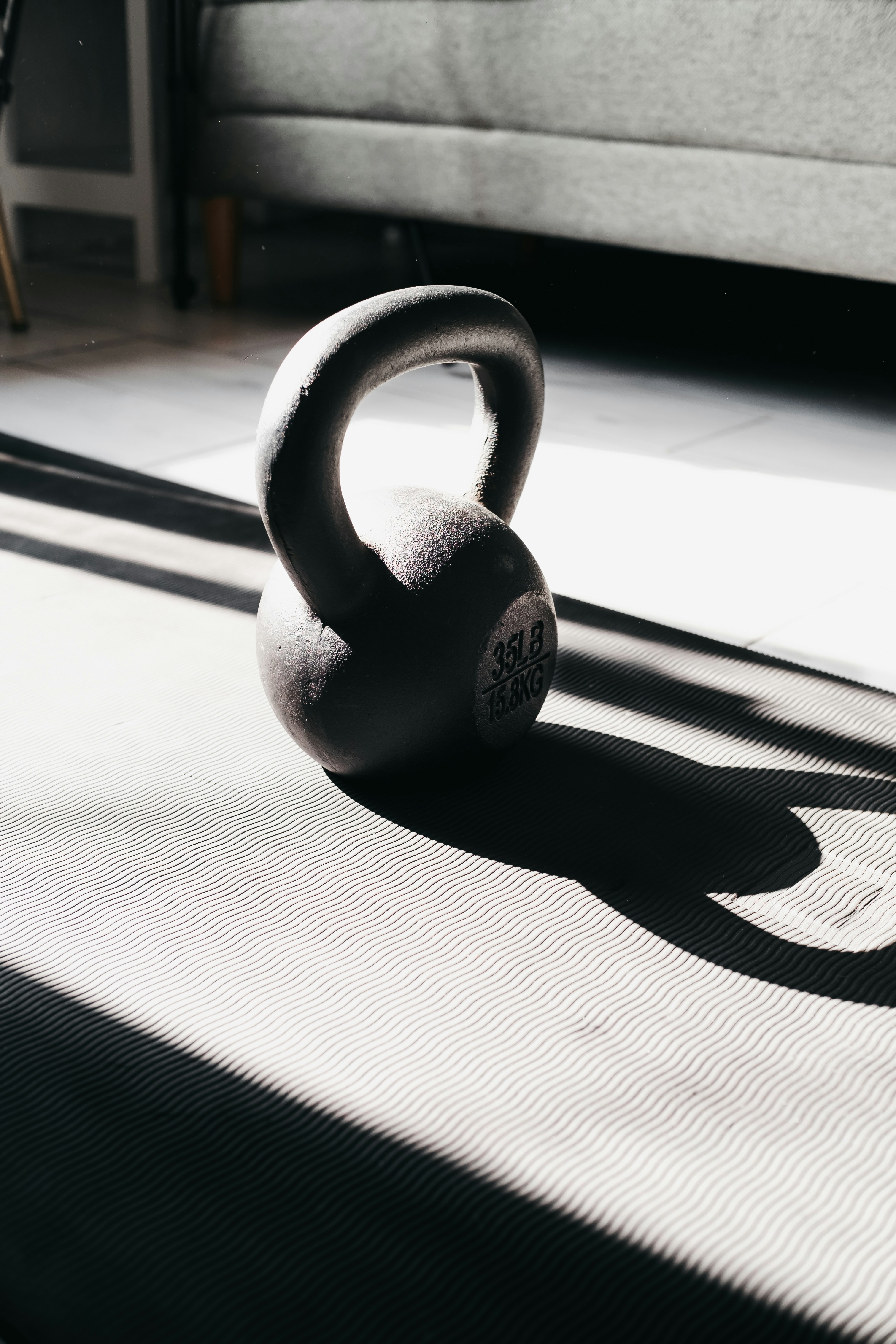
A single adjustable kettlebell or dumbbell set has a hard, physical ceiling — the top setting it ships with. Once you're comfortably working at that top setting across most of your main lifts, no program trick changes the fact that the equipment itself has run out of room to grow with you.
The honest middle ground for most small-space setups: bands and bodyweight work extend the useful life of a single kettlebell or dumbbell pair much further than people expect, but eventually one of those hard ceilings does show up — and when it does, sizing up is the correct call, not a failure to program around it.
When to actually buy something heavier
Buy up when all three of these are true at once: you've applied tempo, unilateral loading, or reduced rest and it genuinely didn't restore the difficulty; you're finishing sets multiple reps short of failure at your equipment's top setting; and this has held across several sessions rather than one unusually strong day. Buying heavier gear before all three are true usually just means a bigger box taking up the same limited floor space, without actually solving anything.