Everything about apartment fitness gets a layer more complicated when there's a roommate involved. It's not just about neighbors below you anymore -- it's about someone who shares your kitchen, your living room, and possibly your workout schedule's noise tolerance at 7am. Here's how to actually build a real setup without it becoming a source of household friction.
The core difference from living alone
In a studio or 1-bedroom, you're the only one affected by clutter, noise, and shared space decisions. In a roommate situation, every equipment choice is implicitly a negotiation, even if it's never said out loud. This isn't about being overly cautious -- it's about recognizing that a kettlebell permanently sitting in the shared living room is a different decision than one in your own bedroom.
What to actually talk about before buying anything
Where equipment will live -- your room only, or shared space -- is worth a real conversation before the first purchase, not after a kettlebell has already claimed a corner of the living room.
Noise tolerance and timing matters more here than almost anywhere else on this site -- a roommate's schedule (working from home, sleeping in, an unpredictable shift) is a factor a downstairs neighbor's schedule never quite is, since you're sharing walls constantly, not occasionally.
Shared costs is worth addressing directly if any equipment might be jointly used or purchased -- clarity here prevents a whole different kind of friction later.
Equipment that stays out of shared-space friction entirely
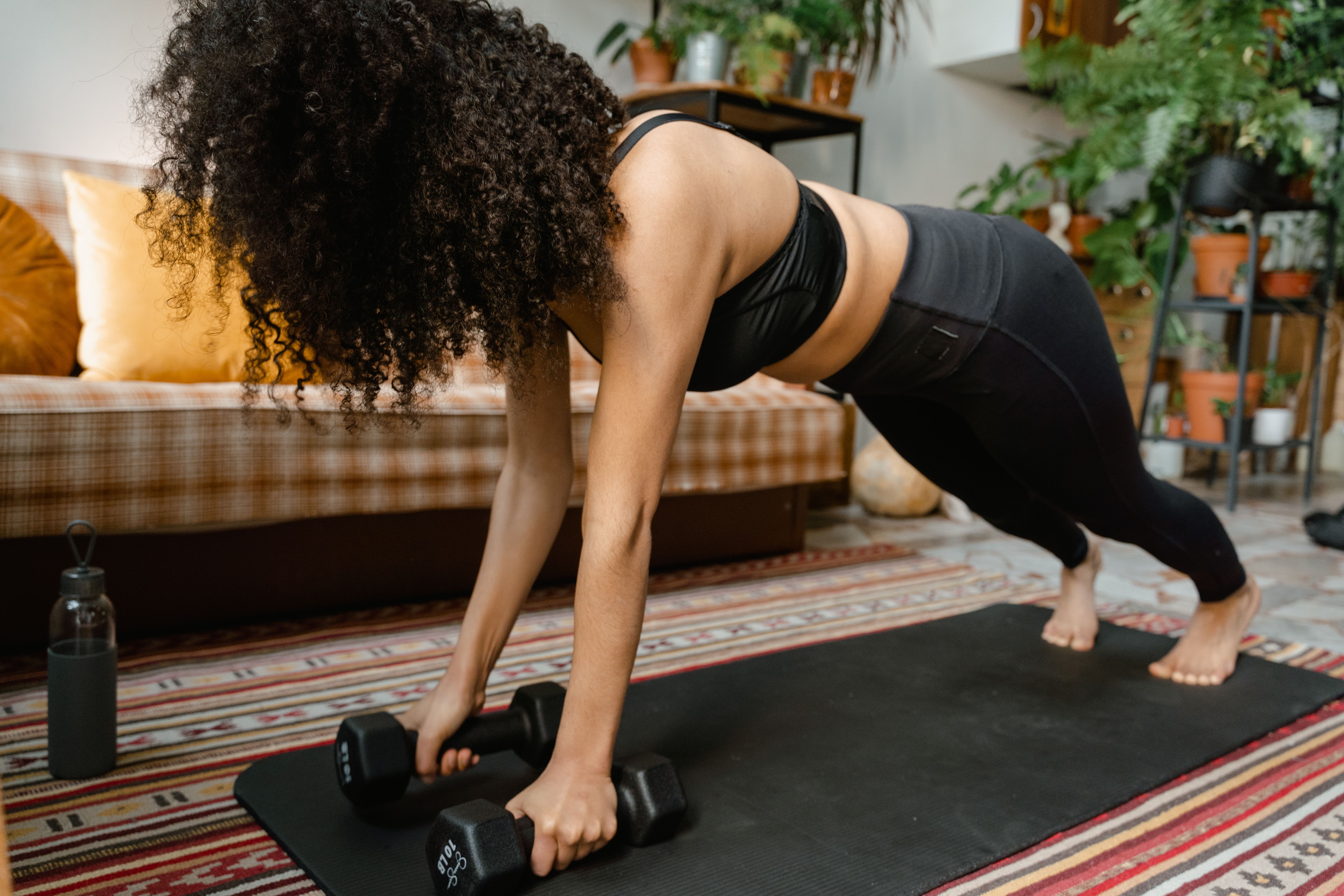
Anything that lives entirely in your own room -- adjustable dumbbells, bands, a mat -- sidesteps the shared-space conversation completely. This is the simplest path if your room has any floor space at all.
For equipment too bulky for a bedroom, prioritize items that disappear quickly: a doorway pull-up bar installed only during use, a foldable bench that goes behind a door, anything from the storage-focused guides already on this site.
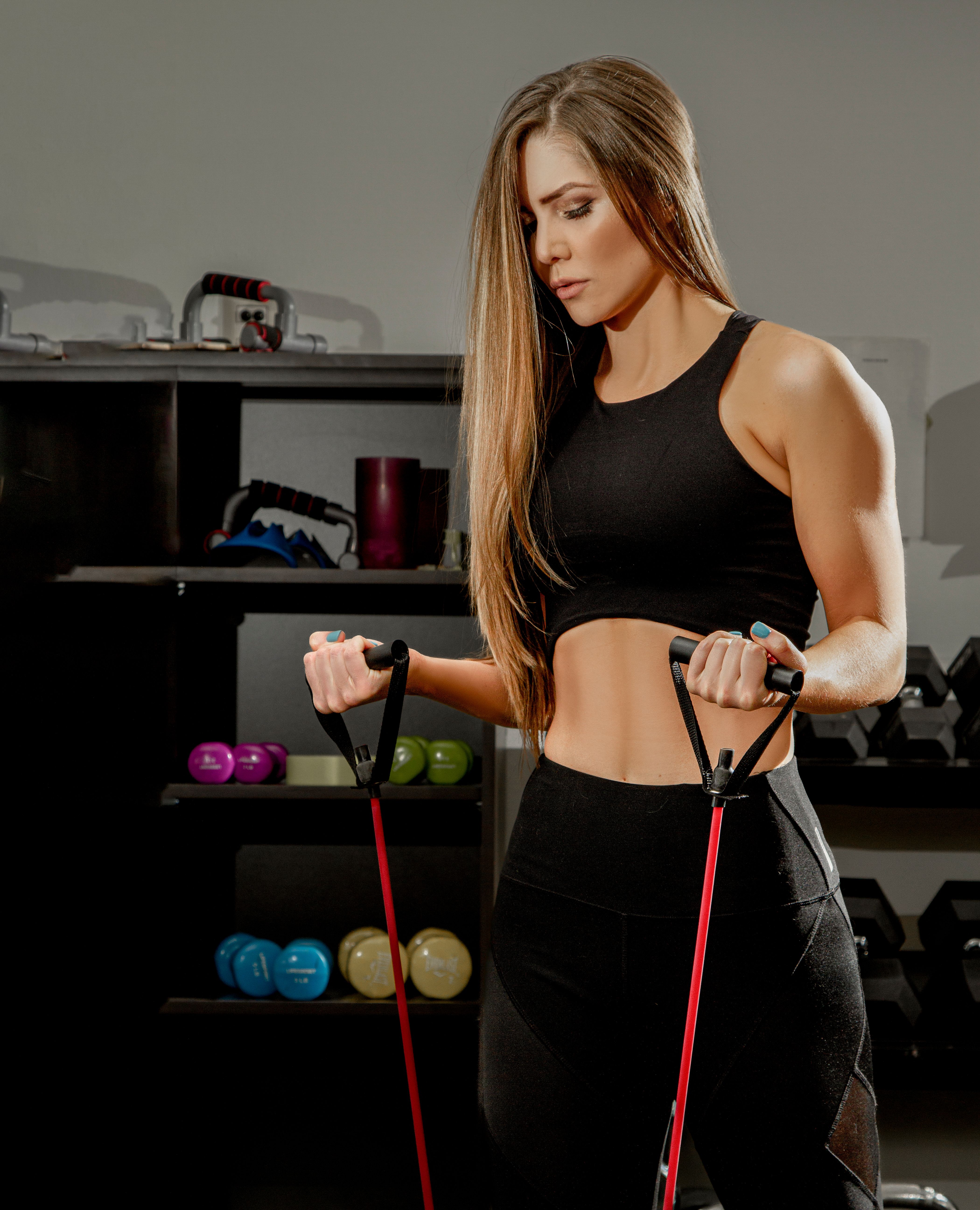
Genuinely quiet equipment -- resistance bands, a suspension trainer, core sliders -- creates the least friction if it does end up living in shared space, since noise concerns drop out of the equation entirely.
Timing and etiquette that actually matters
Loud or high-impact equipment -- jump rope, dropped weights, a slam ball -- deserves the same reasonable-hours thinking covered in the noise ranking guide on this site, just applied to a roommate's schedule specifically rather than a downstairs neighbor's.
A quick heads-up before a new equipment purchase, especially anything visible or occasionally noisy, tends to prevent friction better than assuming it'll be fine. This mirrors the advice in the landlord guide already on this site -- communication ahead of time is cheaper than a conversation after something already bothered someone.