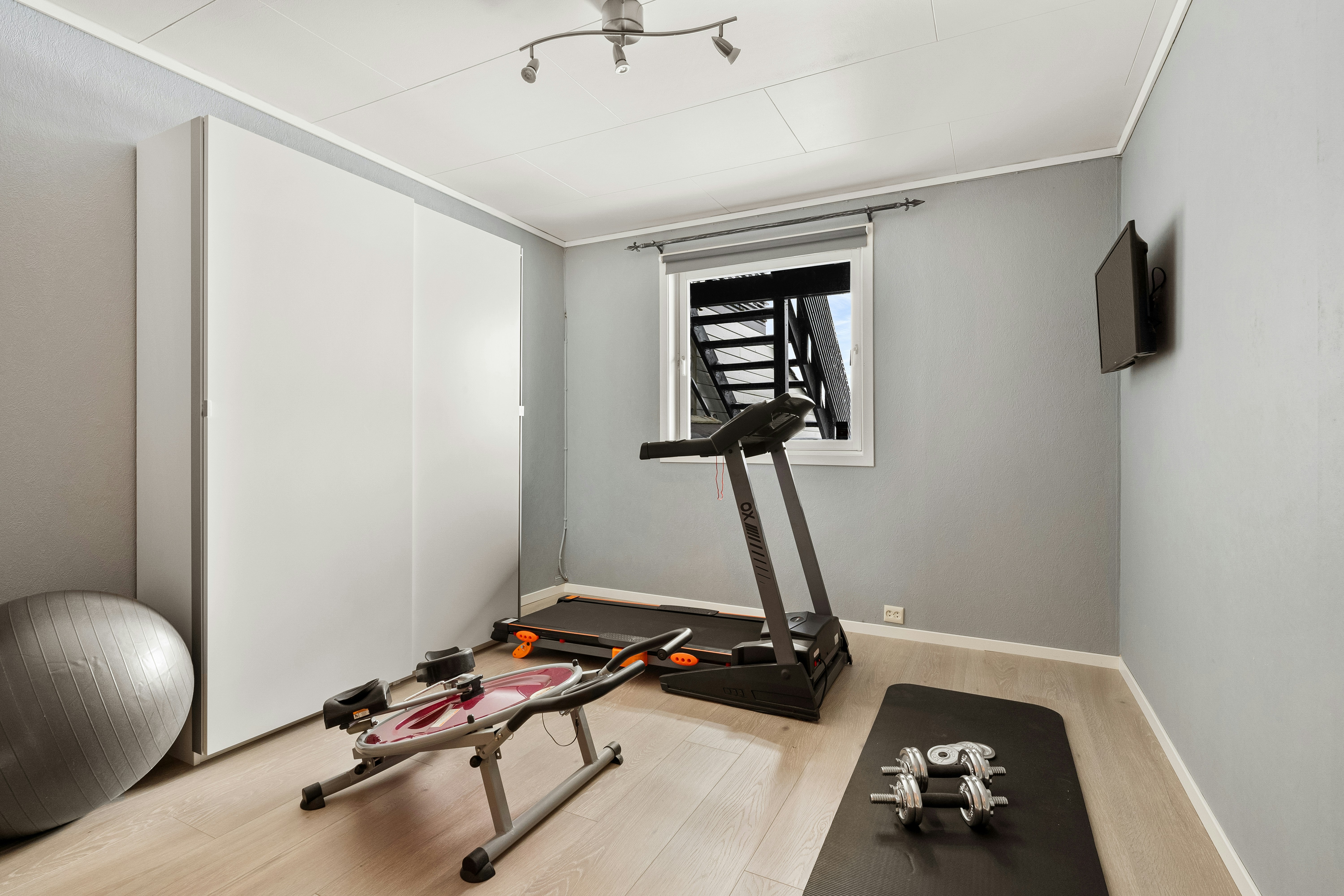
Somewhere around day 9 to 14, most home gym attempts quietly die. Not dramatically -- nobody decides to quit. The equipment just starts collecting dust, one skipped day turns into a skipped week, and eventually it becomes furniture. This happens often enough that it's worth understanding exactly why, because the fix is smaller than most people expect.
The predictable failure point
It's rarely about motivation running out in some abstract sense. It's almost always a single missed day that doesn't get corrected -- a busy Tuesday, a bad night's sleep, a day that just gets away from you. That one missed day isn't the problem. What happens next is: no plan existed for what to do about a missed day, so it just... continues being missed.
By day two of skipping, the equipment has gone from "something I use daily" to "something I used to use," and that mental shift is the actual failure point, not the first missed session itself.
Why over-buying makes this worse, not better
There's a common instinct to solve motivation problems by buying more equipment -- if one missed day means the routine wasn't exciting enough, surely more variety fixes it. In practice, this usually backfires. More equipment means more decisions before every session, and decision fatigue is one of the most consistent predictors of a habit not sticking, more than the equipment itself ever is.
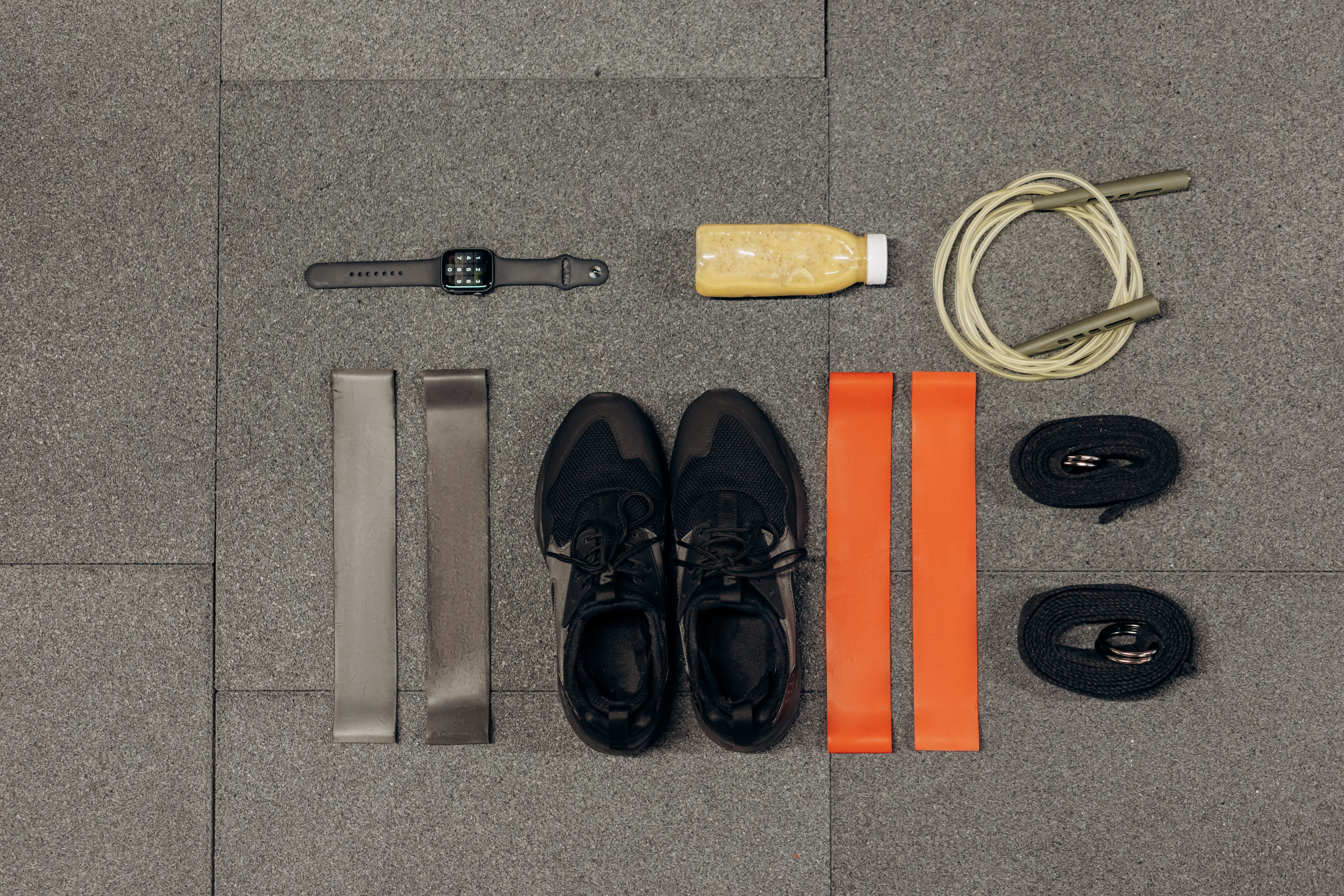
A small, fixed equipment list -- the kind that fits in an apartment out of necessity -- actually works in your favor here. Fewer choices means fewer reasons to talk yourself out of starting on a given day.
The actual fix: a rule for the missed day, not just a routine for the good days
Most fitness plans only account for the days everything goes right. The genuinely useful fix is deciding, in advance, what a missed day actually means -- not a failure, just a data point, with a specific and small next step. Something like: if I miss a day, the very next day's workout gets cut to 10 minutes instead of skipped entirely.
This single rule does more to prevent the two-week collapse than almost anything else, because it removes the moment where "I missed one day" quietly becomes "I guess I'm not doing this anymore."
What this means practically
Start smaller than feels necessary -- the $500 Starter Kit equipment list covered elsewhere on this site is intentionally minimal, not because more wouldn't help eventually, but because a smaller, immediately usable setup survives the first two weeks better than an ambitious one does. Decide your missed-day rule before you need it, not after the first missed day already happened. And treat the goal for week one and two as simply not stopping, not any specific performance benchmark.