Home gym content online is full of "best X for apartments" lists, but almost none of it answers the question that actually determines whether your setup works: what to buy first, and what to hold off on until you know you'll use it. Buy in the wrong order and you end up with a rack or bench eating your floor space for the least amount of actual use. Buy in the right order and three inexpensive, easy-to-store items can cover months of real training before you need anything else.
The real problem: most people buy in the wrong order
Walk into home-gym content anywhere online and you'll find dozens of "best X for apartments" lists — best dumbbells, best rack, best bench, best bands. What's missing is the thing that actually matters when you're starting from zero with limited space and a limited budget: what order to buy things in, and what to skip entirely until you've actually outgrown your starting setup.
The common mistake isn't picking a bad product. It's buying a rack or a bench in week one, before you know whether you'll actually use it three times a week in month three — and then discovering it's the single biggest thing eating your floor space for the least amount of use.
Step 1: Know your actual constraints before you buy anything
Before any purchase, get honest numbers on two things: how much floor space you can permanently dedicate (not "could theoretically clear," but will actually stay clear), and what your noise tolerance is for impact and drop sounds, especially if you have downstairs neighbors. If you haven't done this yet, measuring the space properly and mapping out realistic square footage takes fifteen minutes and changes almost every decision that follows.
This step is also where you decide your actual limiting factor. For most apartment dwellers it's floor space; for some it's noise; for a smaller group it's genuinely budget. Knowing which one is binding tells you which trade-offs are worth making later.
Step 2: Buy the two or three things that cover the most ground
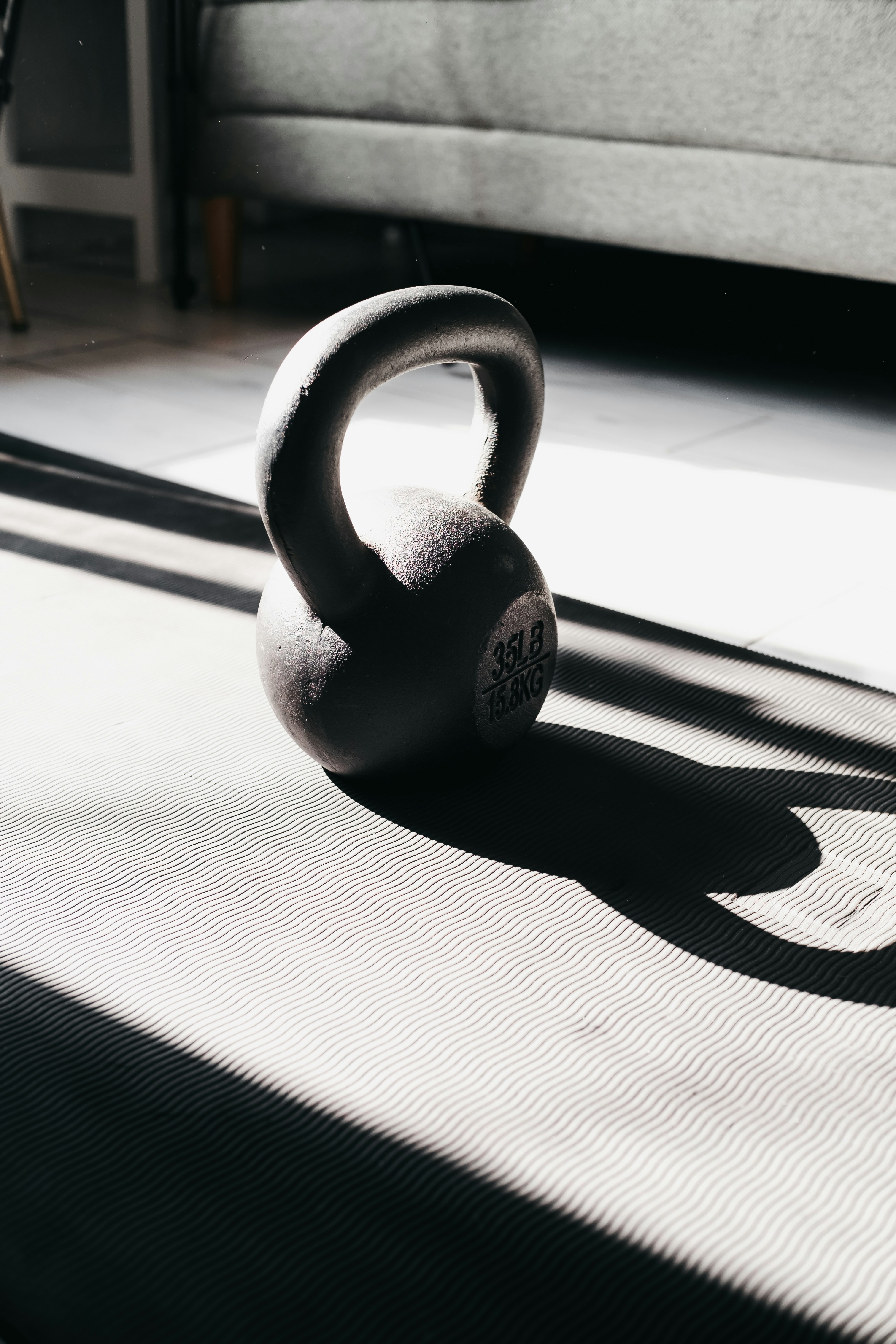
Skip single-purpose equipment first. The highest value-per-square-foot starting purchases are almost always: one set of adjustable dumbbells (replaces an entire rack of fixed weights in one footprint), a set of resistance bands or loops (near-zero storage, covers a huge range of exercises), and a mat (protects floors, defines a workout zone without needing a dedicated room).
That's it for week one. Three items, all of which store in a closet or under a bed, cover strength training for essentially your entire body. Everything after this point should be added because you've identified a specific gap in your actual training, not because a list told you it was 'essential.'
Step 3: What to deliberately skip until you've outgrown the basics
Racks, benches, and cable machines are the three purchases people regret buying too early. Not because they're bad equipment — because they're the least space-efficient things you can own, and most beginners haven't trained consistently long enough to know if they'll actually use one three-plus times a week.
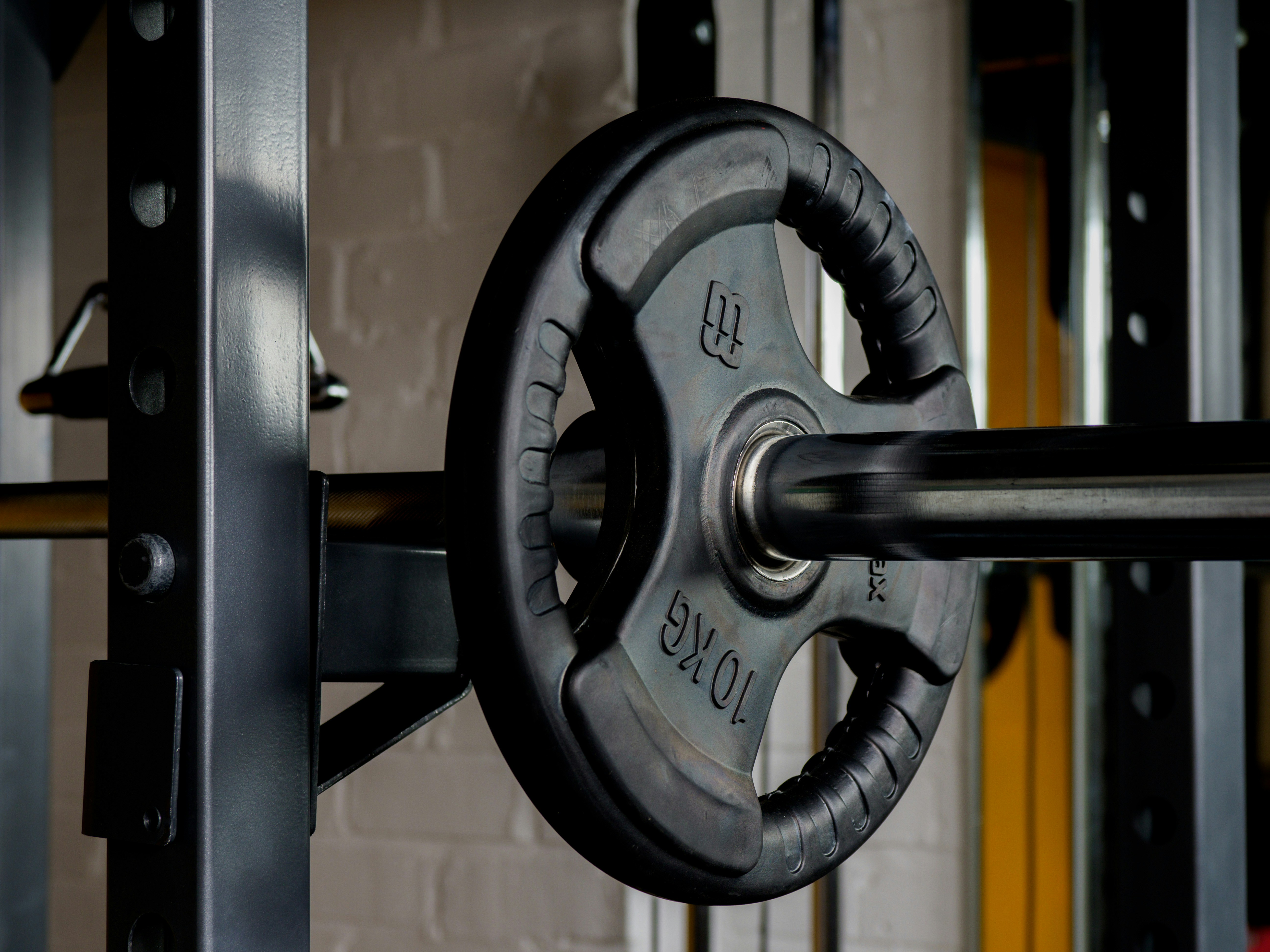
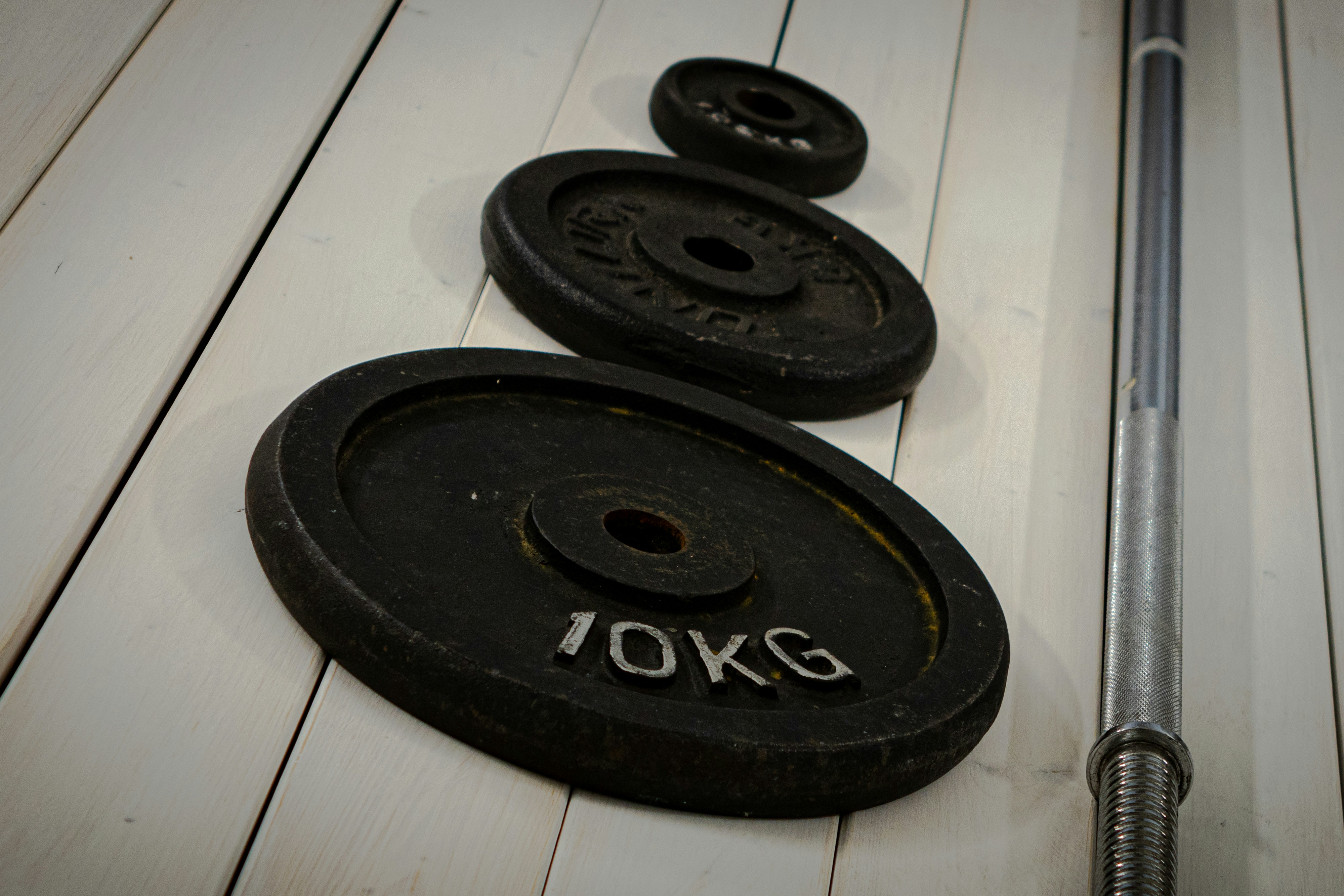
A bench, specifically, is worth asking "do I actually need this yet?" before buying — most early strength programs don't require one. A squat rack is an even bigger commitment: real floor space, real cost, and only worth it once you're loading a barbell with enough weight that dumbbells or bands genuinely can't keep up. Wait until you hit that point, not before.
Step 4: How to know when it's time to add the next piece
The honest signal is consistency, not enthusiasm. If you've trained with your starting three items at least three times a week for a full month and you can point to a specific exercise or weight range they can't cover anymore, that's the trigger to add one more piece — not a sale, not a new listicle, not a feeling that your setup looks sparse compared to someone else's.
Add one thing at a time, and re-ask the same space/noise/budget questions from Step 1 before each addition. A setup that grows this way stays usable; one that grows because everything looked good in a "best of" list usually ends up half-used and in the way.